
Filtered by category: Caron Brief × Clear
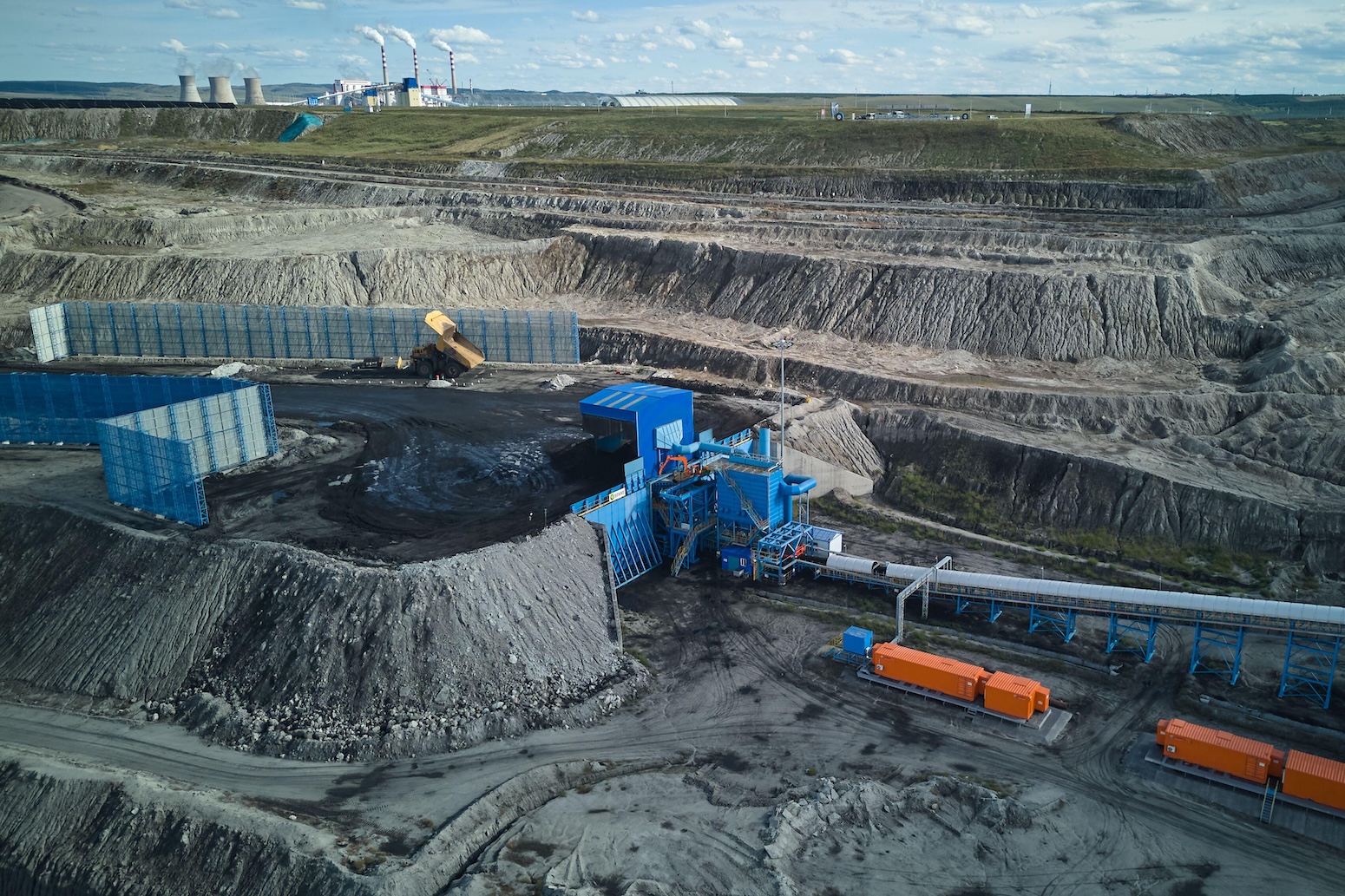
Q&A: What is in China’s new five-year plan for climate change?
Matched: climate
China has released its 15th five-year climate plan, outlining steps to address climate change nationally. The dedicated plan covers key targets and policies for reducing emissions, improving energy efficiency, and transitioning toward cleaner energy sources, continuing China's broader efforts to meet its climate commitments while balancing ongoing economic development priorities.
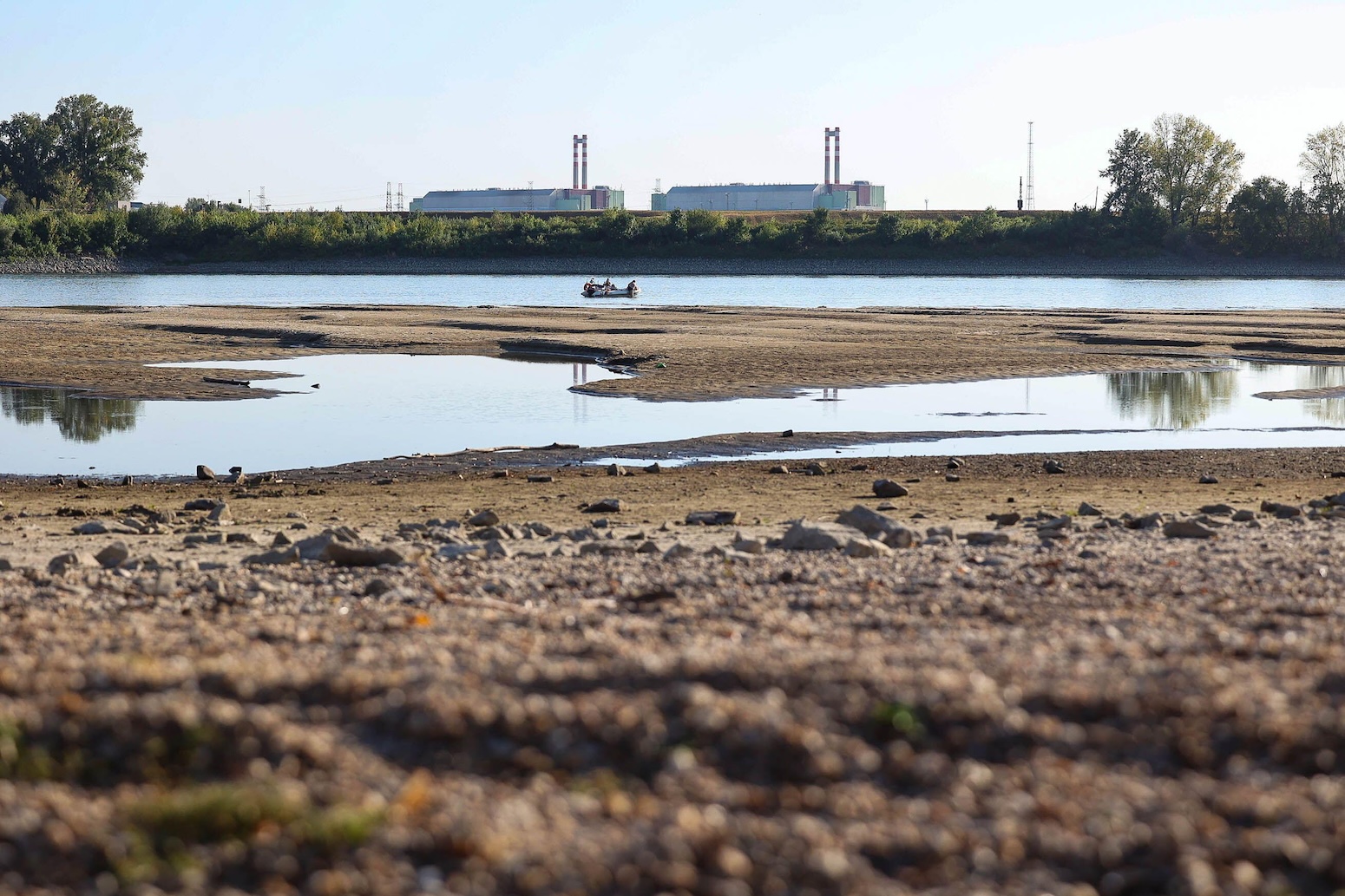
Factcheck: How nuclear, gas, wind and solar power are affected during heatwaves
Matched: climate
Extreme heat affects all major power sources. Nuclear and gas plants need cool water for operations and may reduce output or shut down when water temperatures rise. Solar panels become less efficient in high heat. Wind power can drop if heatwaves bring calm conditions. Meanwhile, electricity demand spikes as people use air conditioning, straining grids precisely when generation capacity may be reduced.
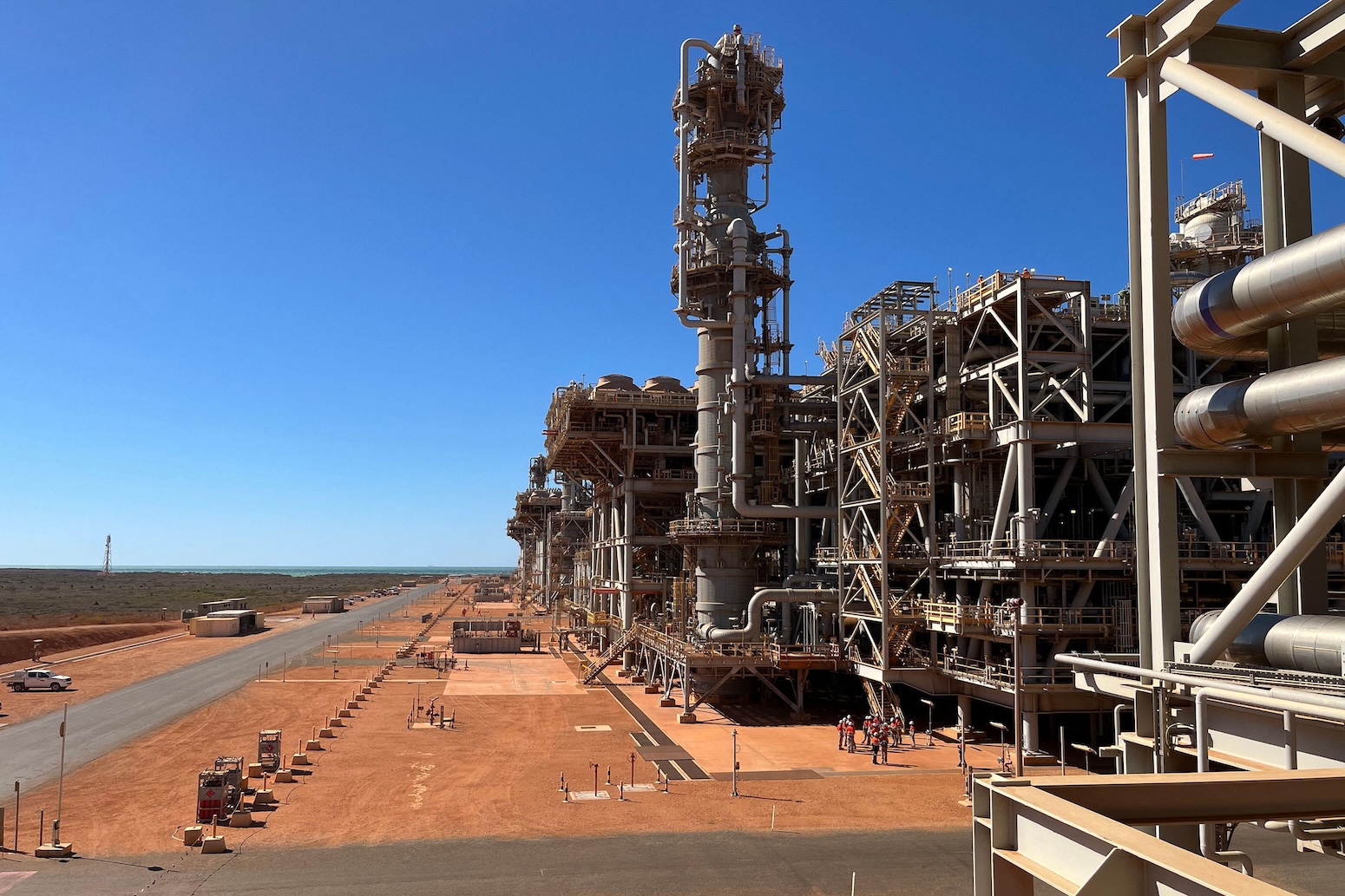
Q&A: Does the world need ‘carbon capture and storage’ to reach net-zero?
Carbon capture and storage (CCS) involves capturing CO2 from industrial sources or the atmosphere and storing it permanently, usually underground. Most climate models suggest CCS will be needed to reach net-zero, particularly for hard-to-decarbonise industries like steel and cement. However, CCS remains expensive, energy-intensive, and unproven at large scale, leading some experts to question whether investment would be better spent on renewable energy alternatives.
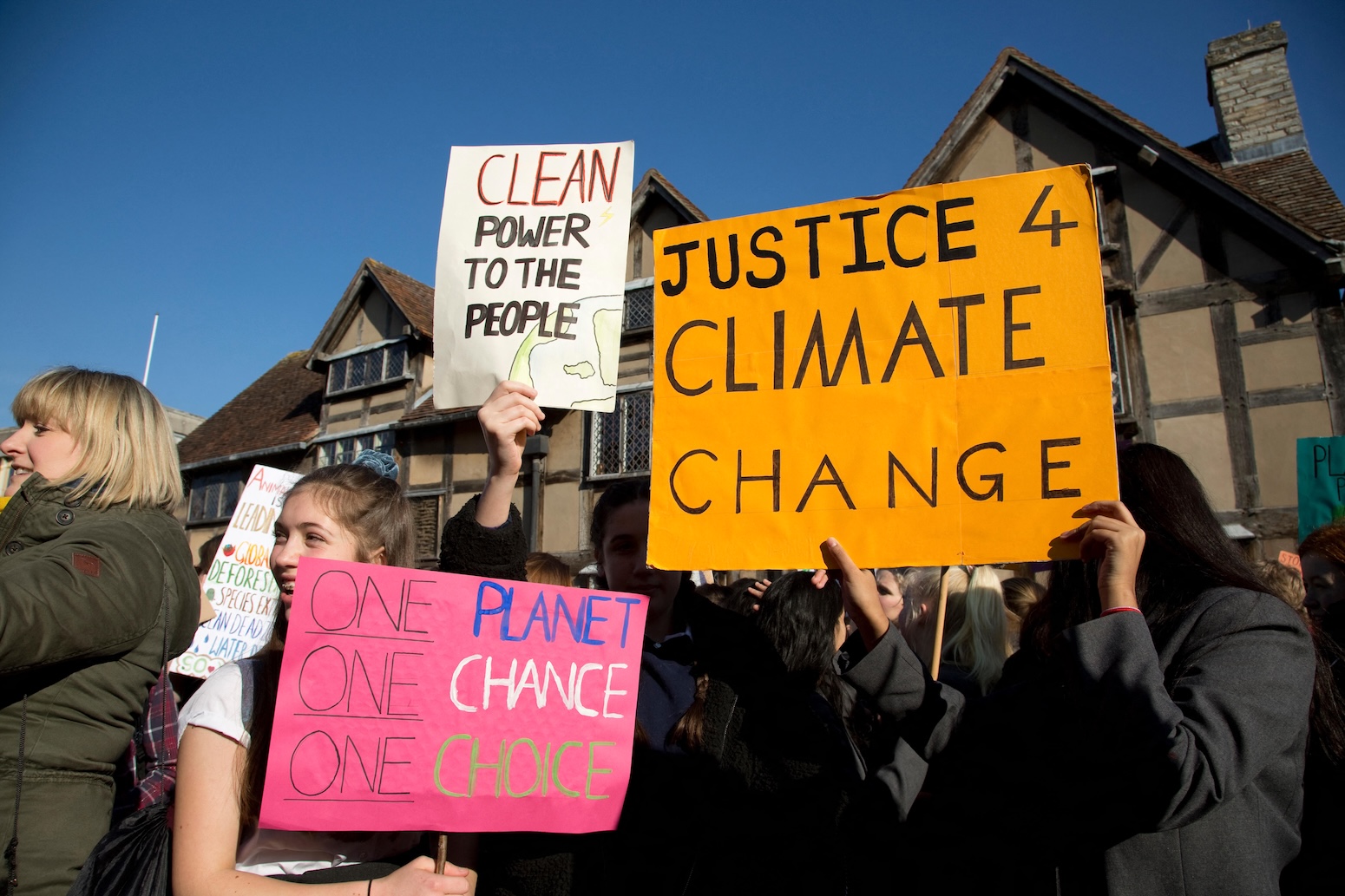
Correcting climate ‘misperceptions’ may not boost climate action
Matched: climate
Studies suggest people underestimate how much others support climate action, while overestimating actual behaviours like reducing flying. Researchers hoped correcting these misperceptions would motivate greater action. However, new evidence indicates such corrections have little effect on people's own intentions or behaviours, suggesting that addressing false beliefs about social norms may not be an effective tool for driving climate action.
Factcheck: No, Europe is not having its ‘quietest’ year for wildfires
Matched: climate
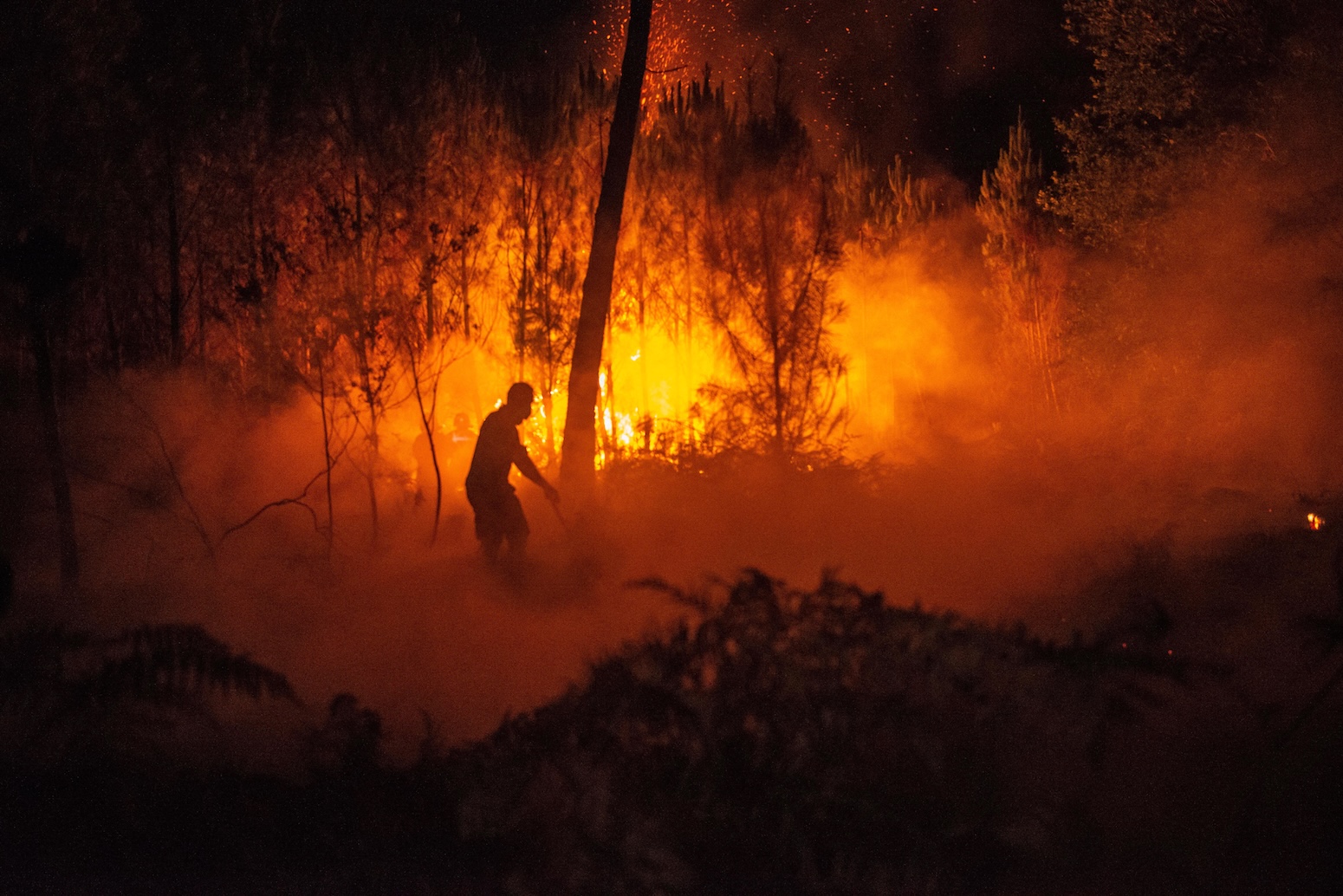
Claims circulating on social media suggest Europe is experiencing its quietest wildfire year on record. However, this is misleading. The charts being shared show data only through mid-year, missing peak fire season. Full-year European wildfire data shows 2023 was among the worst on record, with over 500,000 hectares burned. Scientists say cherry-picked timeframes are being used to misrepresent the overall trend.

World falling short on 22 of 23 nature targets for 2030, says draft UN report
A draft UN report warns the world is on track to meet just one of 23 global nature targets set for 2030. The goal to halt and reverse biodiversity loss will not be achieved without significantly faster action from governments. The findings come ahead of upcoming UN biodiversity talks and echo similar warnings about insufficient progress on climate commitments.

Climate change is driving a ‘shift’ in childhood malaria risk across Africa
Matched: climate
Climate change is redistributing malaria risk among children across sub-Saharan Africa, creating new high-risk zones while altering existing ones. Rising temperatures are expanding suitable conditions for malaria transmission into previously unaffected areas, while potentially reducing risk elsewhere. The shift poses challenges for public health planning, as populations in newly affected regions may lack immunity and infrastructure to respond.
Q&A: What does China’s 15th ‘five-year plan’ for renewables mean for climate change?
Matched: climate
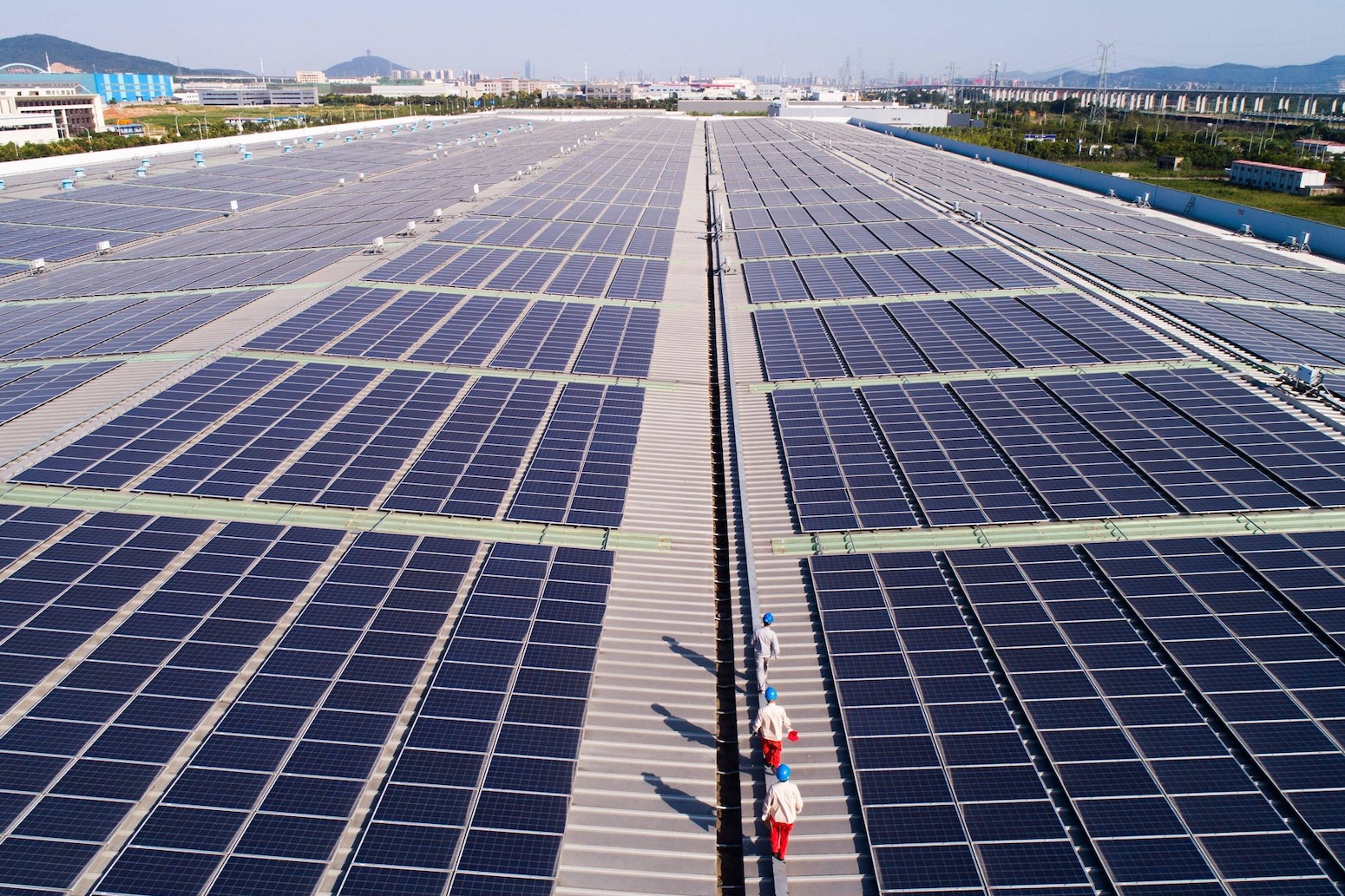
China's 15th five-year renewable energy plan sets targets and policies for expanding clean power through 2030. It aims to accelerate solar, wind, and other renewable deployment, reinforcing China's role as the world's largest clean energy market. Analysts say the plan could significantly cut emissions and influence global climate goals, though implementation and grid integration challenges remain key concerns for whether targets translate into real-world impact.
Analysis: Wind and solar power overtake fossil fuels in Germany for first time ever
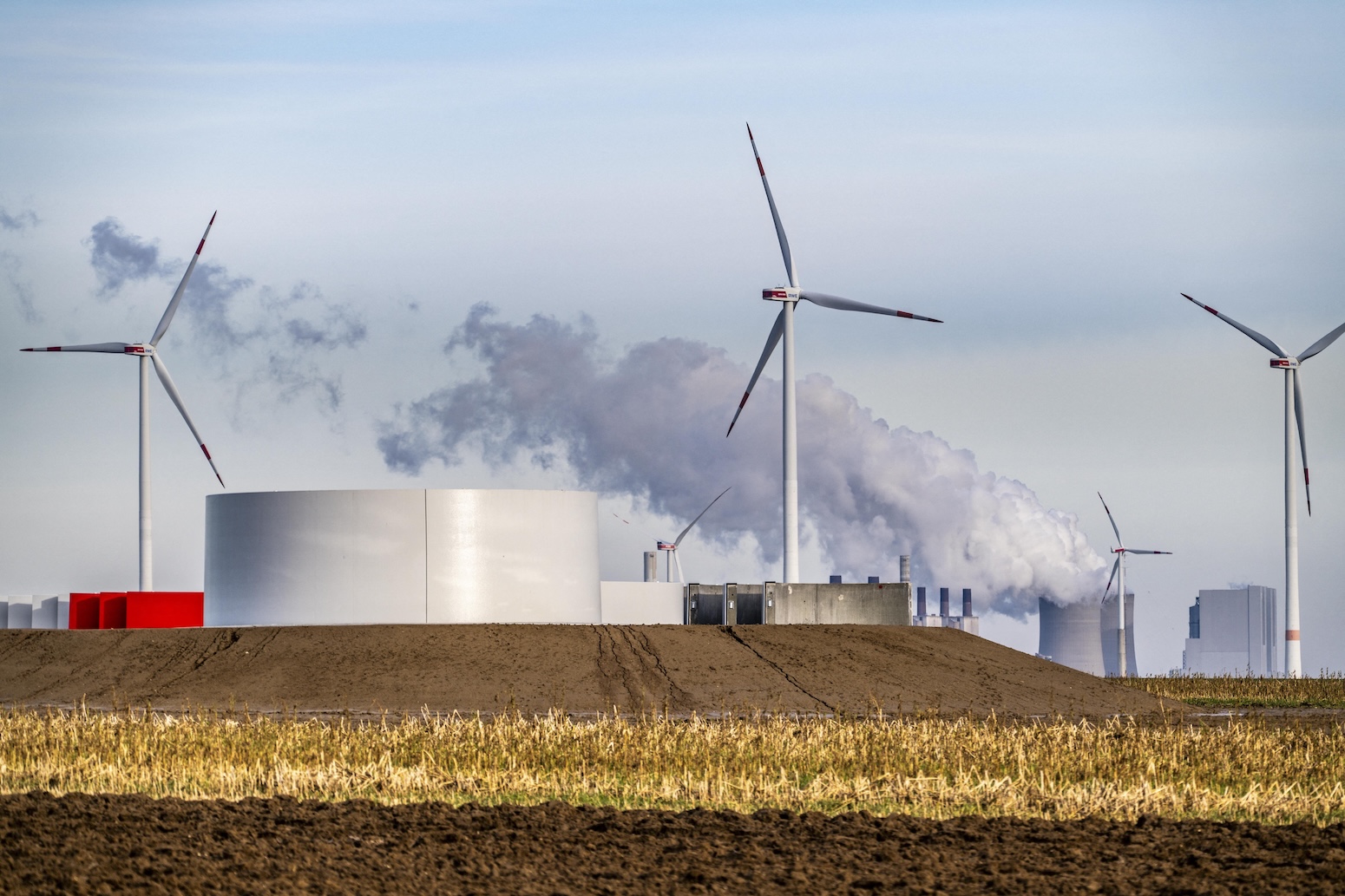
Wind and solar generated more of Germany's electricity than fossil fuels for the first time in 2025. The milestone reflects years of renewable energy expansion in the country. Germany has been accelerating its clean energy transition following the energy crisis triggered by Russia's invasion of Ukraine, which pushed it to reduce dependence on Russian gas.

Analysis: 84% of nations miss deadline to identify ‘nature-harming’ subsidies by 2025
Most countries missed a 2025 deadline to identify subsidies harmful to biodiversity, with 84% failing to meet the target. The goal was part of the 2022 Kunming-Montreal Global Biodiversity Framework, which aimed to have nations catalogue nature-harming financial support as a step toward redirecting or eliminating it. The shortfall raises concerns about progress on broader biodiversity commitments.

Factcheck: No, Europe’s heatwaves are not being ‘caused’ by declining air pollution
A claim circulating online attributes Europe's heatwaves to declining air pollution rather than climate change. Experts say this is misleading. While reduced aerosol pollution does contribute a small amount of additional warming by allowing more sunlight through, scientists are clear that human-caused climate change from greenhouse gas emissions remains the dominant driver of increasingly frequent and intense European heatwaves.
Access to finance ‘strengthens climate resilience’ among sub-Saharan women
Matched: climate
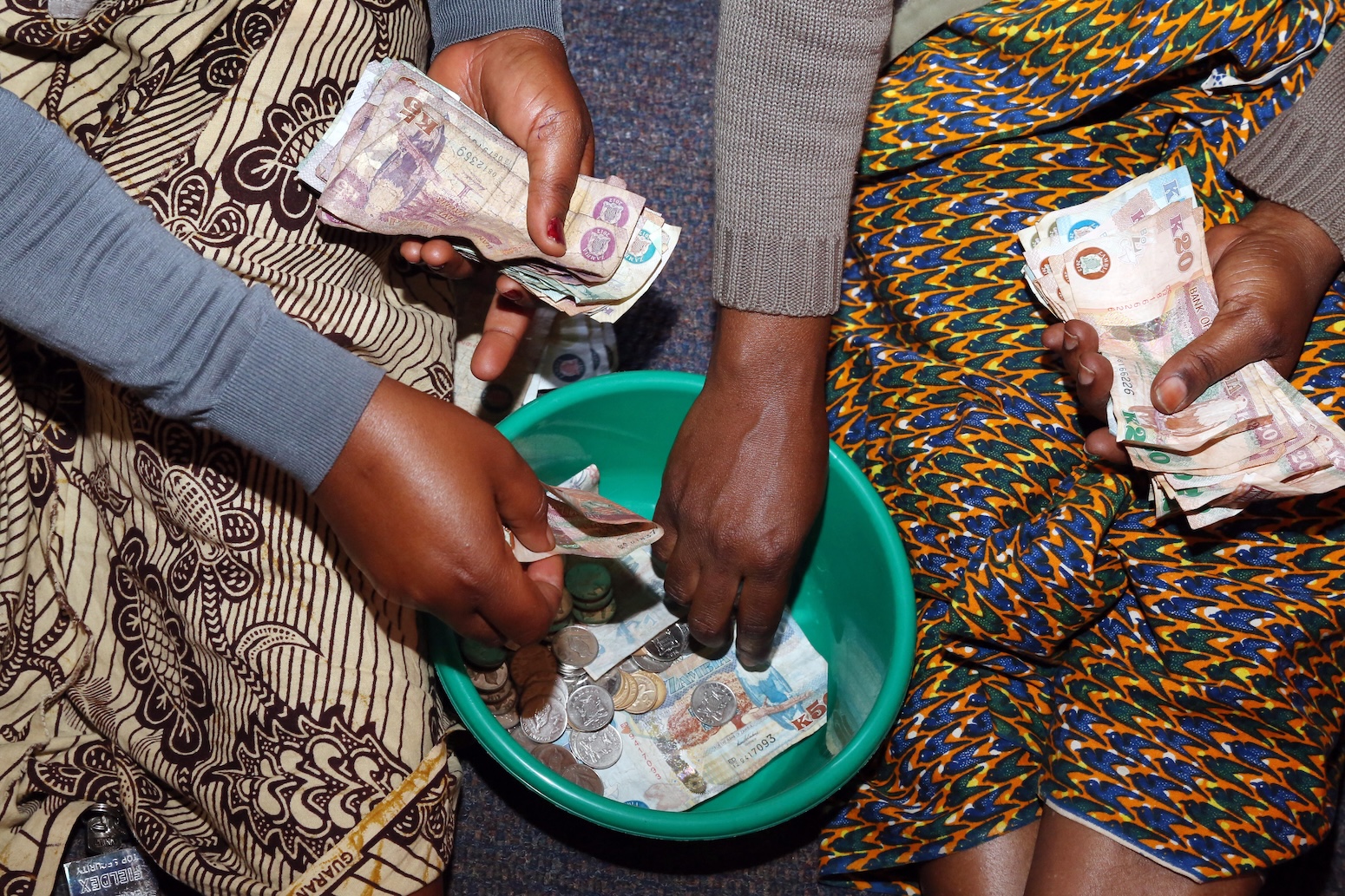
A new study finds that giving women in sub-Saharan Africa greater access to finance improves households' ability to withstand climate-related shocks. Researchers say financially empowered women are better positioned to help their families adapt to and recover from extreme weather events, suggesting that expanding women's financial inclusion could serve as a practical climate resilience strategy in vulnerable regions.