Climate Change News

As fires burn and temperatures soar, it’s time to imagine a world beyond GDP

Matched: climate

GDP counts environmental destruction as economic gain, since activities like clear-cutting forests raise output figures. As climate disasters intensify, critics argue this metric is fundamentally flawed. Alternative measures that account for natural wealth depletion and environmental degradation are gaining attention as policymakers face pressure to adopt frameworks better suited to long-term ecological and economic sustainability.

The Guardian

Europe’s dry riverbeds and scorched earth – in pictures

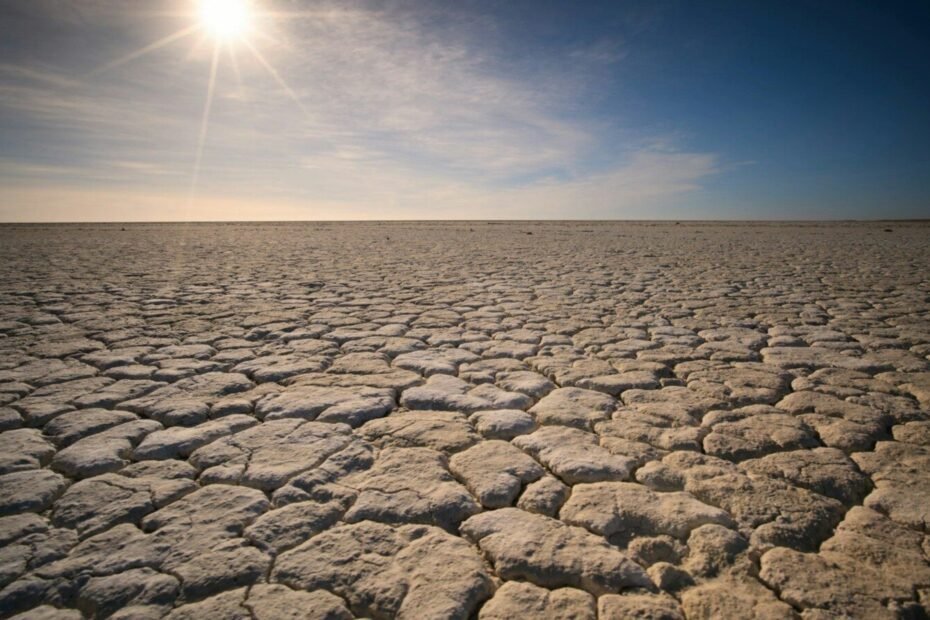
Severe drought and extreme heat across Europe have left riverbeds dry and landscapes scorched. Wildfires have spread across multiple countries as the continent endures an intense summer. Images show the stark impact on rivers, farmland and natural habitats, highlighting the growing consequences of climate-driven weather extremes affecting communities and ecosystems throughout the region.

The Guardian

Extreme heat breaks temperature records in central and eastern Europe

Slovakia hit a record 42C in Dolné Plachtince as extreme heat swept central and eastern Europe, with Austria and Hungary also registering record temperatures. The heatwave, linked to wider drought and wildfire conditions across the continent, forced Polish authorities to shut down two power plants, at Kozienice and Połaniec.

The Guardian

Why Britain is breathing the world’s wildfire smoke

Matched: climate

Global wildfires contribute around 10% of the UK's particle pollution, scientists say, with smoke from blazes across Europe and beyond regularly degrading British air quality. Researchers warn climate change is increasing wildfire frequency and intensity, meaning the problem is likely to worsen. Recent fires in southwestern Europe have already caused significant air quality deterioration across France and Spain.

The Conversation

I feel deep sadness about bird flu and environmental loss. Is this normal?

This is a real emotional response many people experience, sometimes called ecological grief or solastalgia. It makes sense to feel it. A few honest points worth considering: - These feelings are legitimate and don't require clinical framing to be valid - Bird flu specifically has complex dynamics - some outbreaks are serious, some concerns are overstated - Distinguishing between productive concern and rumination matters for your wellbeing - Talking to others who share these concerns can help, but echo chambers can amplify distress It's also worth being honest that sometimes these feelings connect to broader anxiety that environmental topics can attach to rather than purely the specific issue. What specifically is driving the concern for you?

The Guardian

Le Corbusier’s social housing was meant to be the dream. In a summer of extreme heat, it is a nightmare | Anna Richards

In Firminy, France, Le Corbusier's listed social housing tower reaches 40C internally during heatwaves, yet heritage protection rules prevent tenants from installing shutters or making cooling modifications. Two-thirds of the building's apartments are social housing, leaving low-income residents trapped in sweltering conditions with no legal remedy, caught between historic preservation requirements and basic liveability.

The Conversation

You might be buying the wrong home battery. Here’s how to tell

Home battery size matters less than how your home is wired. Experts say most buyers focus on storage capacity but overlook their home's electrical design, which determines what the battery can actually power during an outage. Key factors include panel type, whether circuits are separated, and local grid connection. Getting an assessment before buying can prevent costly mismatches.

Climate Change News

When taps run dry in the Caribbean, it’s not enough to blame El Niño

Matched: climate

Caribbean nations are facing severe water shortages, with governments quick to blame El Niño. But experts argue climate change is amplifying the weather pattern's effects, warming land and seas beyond historical norms. The region's water infrastructure and storage capacity are also inadequate. Vulnerable Caribbean communities bear disproportionate consequences despite contributing little to global emissions driving these worsening conditions.

Caron Brief

Q&A: What is in China’s new five-year plan for climate change?

Matched: climate

China has released its 15th five-year climate plan, outlining steps to address climate change nationally. The dedicated plan covers key targets and policies for reducing emissions, improving energy efficiency, and transitioning toward cleaner energy sources, continuing China's broader efforts to meet its climate commitments while balancing ongoing economic development priorities.

The Conversation

Firefighting aircraft aren’t enough – Britain needs to build a wildfire-resilient society that involves everyone

Britain faces growing wildfire risk due to climate change and land management issues. While calls for firefighting aircraft grow after major incidents, experts argue the focus should shift to prevention — including landscape management, controlled burns, public awareness, and community involvement. Reactive aerial resources have value but cannot substitute for the long-term societal and environmental changes needed to reduce wildfire vulnerability.

The Guardian

Heatwave Britain: why are politicians so slow to act? – podcast

The UK's repeated heatwaves are raising concerns about excess deaths, ageing infrastructure and food shortages, yet politicians have been slow to respond. Journalists examine how prepared Britain is for extreme heat now and in future. Also discussed: Tory leader Kemi Badenoch's handling of Joshua Bonehill-Paine, a former neo-Nazi who became a Conservative council candidate, whom she distanced herself from before offering an advisory role.

Climate Change News

Quarter of countries still missing UN climate plans 18 months after deadline

Matched: climate

About 45 countries, including Egypt, Vietnam, Argentina and the Philippines, have still not submitted their national climate plans to the UN, despite a deadline that passed 18 months ago. The missing submissions represent a quarter of Paris Agreement signatories and amount to a breach of the treaty's requirements.

The Guardian

We need a wartime mindset to fight the threat of wildfires | Seth Klein

European leaders invoke WWII comparisons as wildfires devastate France and Spain, but critics argue governments aren't applying the real lessons of wartime thinking. True wartime mobilization meant rapid, preemptive government action and resource deployment — not reactive crisis management. Without that proactive approach to wildfire preparedness and climate change, the rhetoric remains hollow.

The Guardian

Human-driven climate crisis fuels Canada’s deadly wildfires, study finds

Matched: climate

Climate scientists have found that human-caused climate change made conditions behind Canada's current wildfires more than twice as likely to occur. Burning fossil fuels raised global temperatures, amplifying fire-prone weather in Ontario and the Northwest Territories. The blazes have forced town evacuations and sent harmful smoke across Canada and into the United States.

The Conversation

The world’s mangrove forests are bouncing back. That’s good news for our coasts and climate

Matched: climate

Global mangrove forests are recovering after decades of decline, according to a new study. The findings are considered significant because mangrove ecosystems protect coastlines from erosion and storm surges, support marine biodiversity, and store large amounts of carbon. Researchers credited conservation efforts and policy changes in several countries for driving the recovery, though they warned some regions continue to face threats from deforestation and climate change.

The Guardian

Weatherwatch: Paving over front gardens is leading to hotter nights

Paving over front gardens for car parking is worsening urban heat islands, particularly at night, as hard surfaces absorb heat during the day and release it slowly after dark. Around 55% of UK front gardens are now paved, up from 7.5% in 2005. Research shows replacing paved areas with grass and trees could reduce urban temperatures by up to 1C.

Climate Change News

China’s coal power rebounds as record clean energy goes to waste

Matched: climate

China's coal power generation is rising despite record renewable energy output, as long-term contracts guarantee coal plants a market regardless of actual demand. This arrangement effectively crowds out cleaner energy sources, with surplus clean power going to waste. The finding comes from a new report highlighting structural market problems undermining China's clean energy transition.

Earth.org

Can Development Reverse Pollinator Decline? Lessons from the World’s First Pollinator District

A community planning model called the Pollinator District framework aims to reverse pollinator decline by embedding habitat creation, native landscaping, sustainable design, research, and public education directly into real estate development. Proponents argue the approach demonstrates that urban growth need not harm bees, butterflies, and other critical species, but can actively support their recovery.

The Conversation

Disabled people face greater climate change risks – and they can also help NZ adapt

Matched: climate

New research highlights that disabled people in New Zealand face disproportionate climate risks but are largely excluded from policy discussions. Researchers argue this is a missed opportunity, as disabled people's lived experience navigating barriers gives them practical knowledge that could strengthen community resilience and improve climate adaptation planning for everyone.

The Conversation

Climate change may be making us lonelier: How heat waves and extreme weather disrupt social connections everyone relies on

Matched: climate

Extreme heat and severe storms are driving people indoors and disrupting communal events, festivals, and shared spaces that foster social bonds. Researchers warn this climate-driven isolation compounds existing loneliness problems. Vulnerable groups, including the elderly and low-income residents lacking air conditioning, face the greatest risk, as repeated disruptions to community traditions and gathering places can permanently erode social ties.

Climate Change News

A legal fiction blocking billions in climate finance will be challenged this week

Matched: climate

UN member states are meeting in New York this week to negotiate a new international tax framework that could unlock up to $500 billion annually in climate finance. At issue is a legal convention allowing multinational corporations and wealthy individuals to shelter money in low-tax jurisdictions, depriving developing nations of funds needed for climate action. Supporters say reforming these rules could significantly boost available climate finance.

Climate Change News

Santa Marta coalition tested as co-chair Colombia turns back to fossil fuels

Matched: climate

Colombia's shift back toward fossil fuel development is testing the Santa Marta coalition it co-chairs, which advocates for phasing out oil and gas. Outgoing environment minister Irene Vélez Torres downplayed the impact, saying the coalition can function without Colombia's leadership. The situation highlights tensions between the country's climate commitments and its economic reliance on fossil fuel revenues.

Climate Change News

Southeast Asia’s fragile grids threaten billions in clean energy investment

Matched: climate

Southeast Asia's outdated and unstable electricity grids are putting billions of dollars in renewable energy investment at risk. Developers require reliable infrastructure and consistent government policies to expand clean energy capacity. Without upgrades, the region risks failing to meet climate targets while struggling to keep pace with rapidly growing electricity demand.

The Conversation

Butterflies are on the move as the planet warms: new research

As climate change shifts habitats, butterflies are moving to new areas. Researchers warn that conservation strategies must adapt accordingly, protecting not just where species currently or historically lived, but also the regions they are migrating toward as temperatures rise. Focusing only on existing or past habitats risks leaving future refuges unprotected.