
Filtered by category: Caron Brief, tag: climate change × Clear
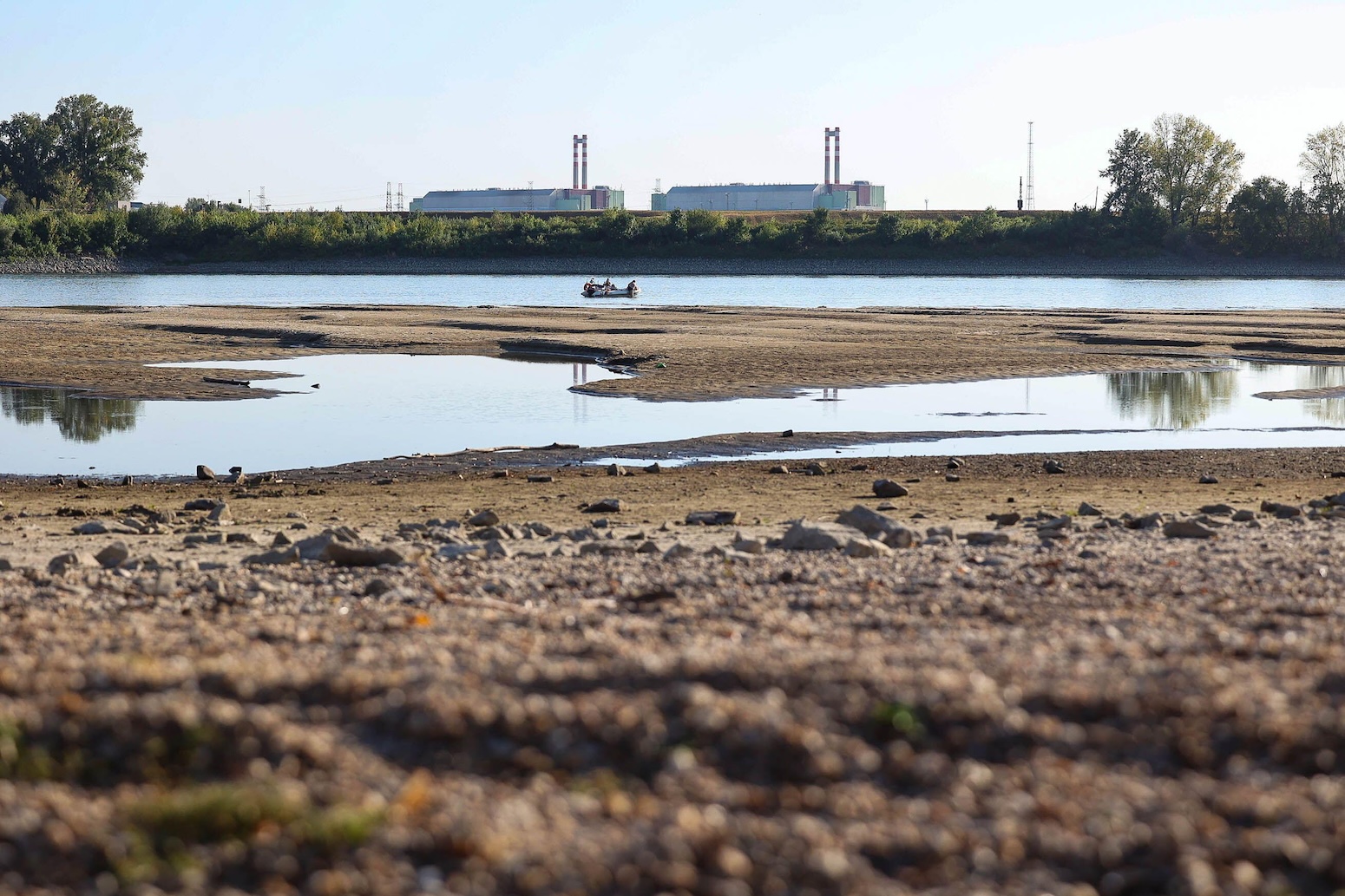
Factcheck: How nuclear, gas, wind and solar power are affected during heatwaves
Matched: climate
Extreme heat affects all major power sources. Nuclear and gas plants need cool water for operations and may reduce output or shut down when water temperatures rise. Solar panels become less efficient in high heat. Wind power can drop if heatwaves bring calm conditions. Meanwhile, electricity demand spikes as people use air conditioning, straining grids precisely when generation capacity may be reduced.
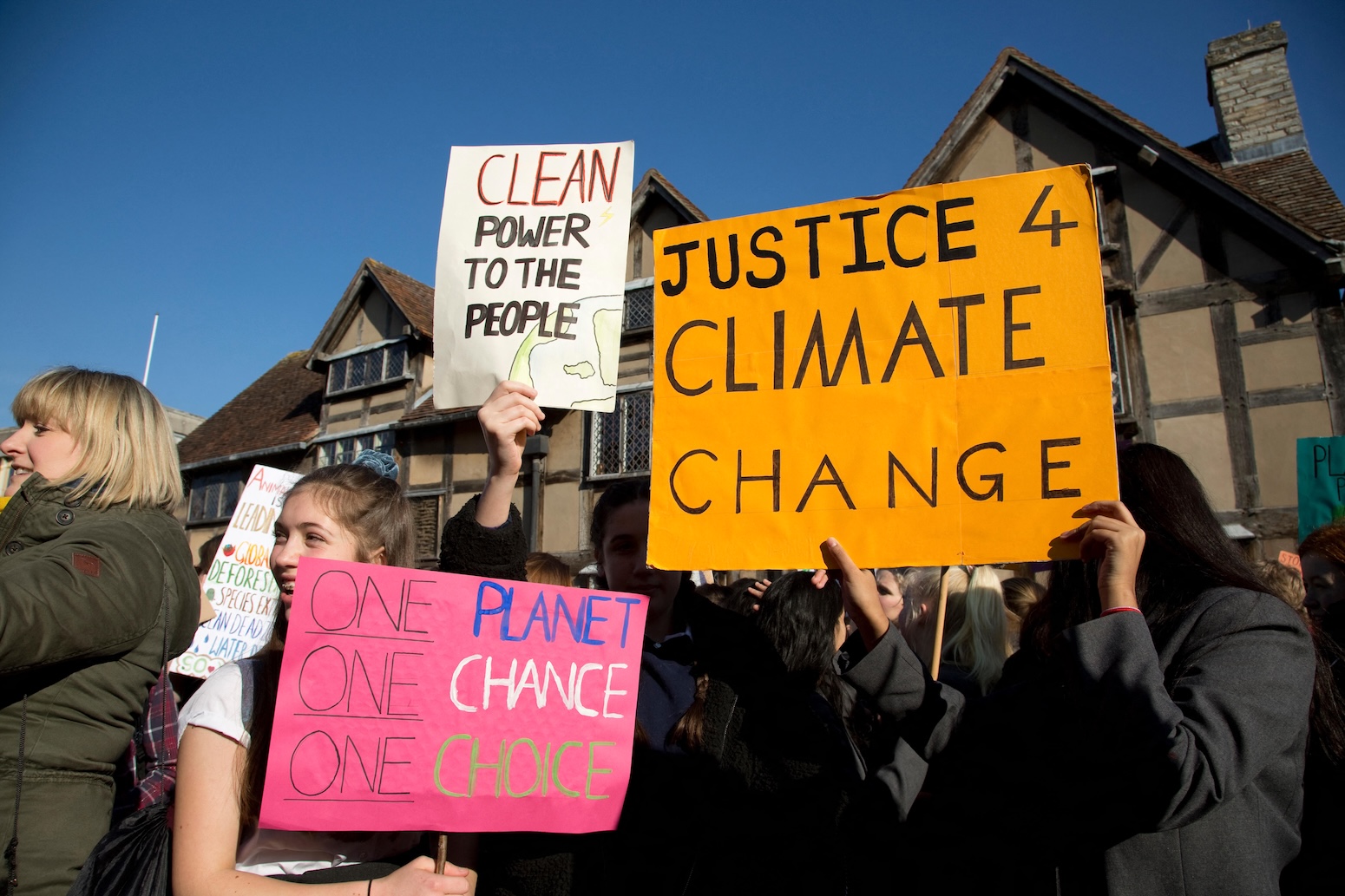
Correcting climate ‘misperceptions’ may not boost climate action
Matched: climate
Studies suggest people underestimate how much others support climate action, while overestimating actual behaviours like reducing flying. Researchers hoped correcting these misperceptions would motivate greater action. However, new evidence indicates such corrections have little effect on people's own intentions or behaviours, suggesting that addressing false beliefs about social norms may not be an effective tool for driving climate action.

Climate change is driving a ‘shift’ in childhood malaria risk across Africa
Matched: climate
Climate change is redistributing malaria risk among children across sub-Saharan Africa, creating new high-risk zones while altering existing ones. Rising temperatures are expanding suitable conditions for malaria transmission into previously unaffected areas, while potentially reducing risk elsewhere. The shift poses challenges for public health planning, as populations in newly affected regions may lack immunity and infrastructure to respond.
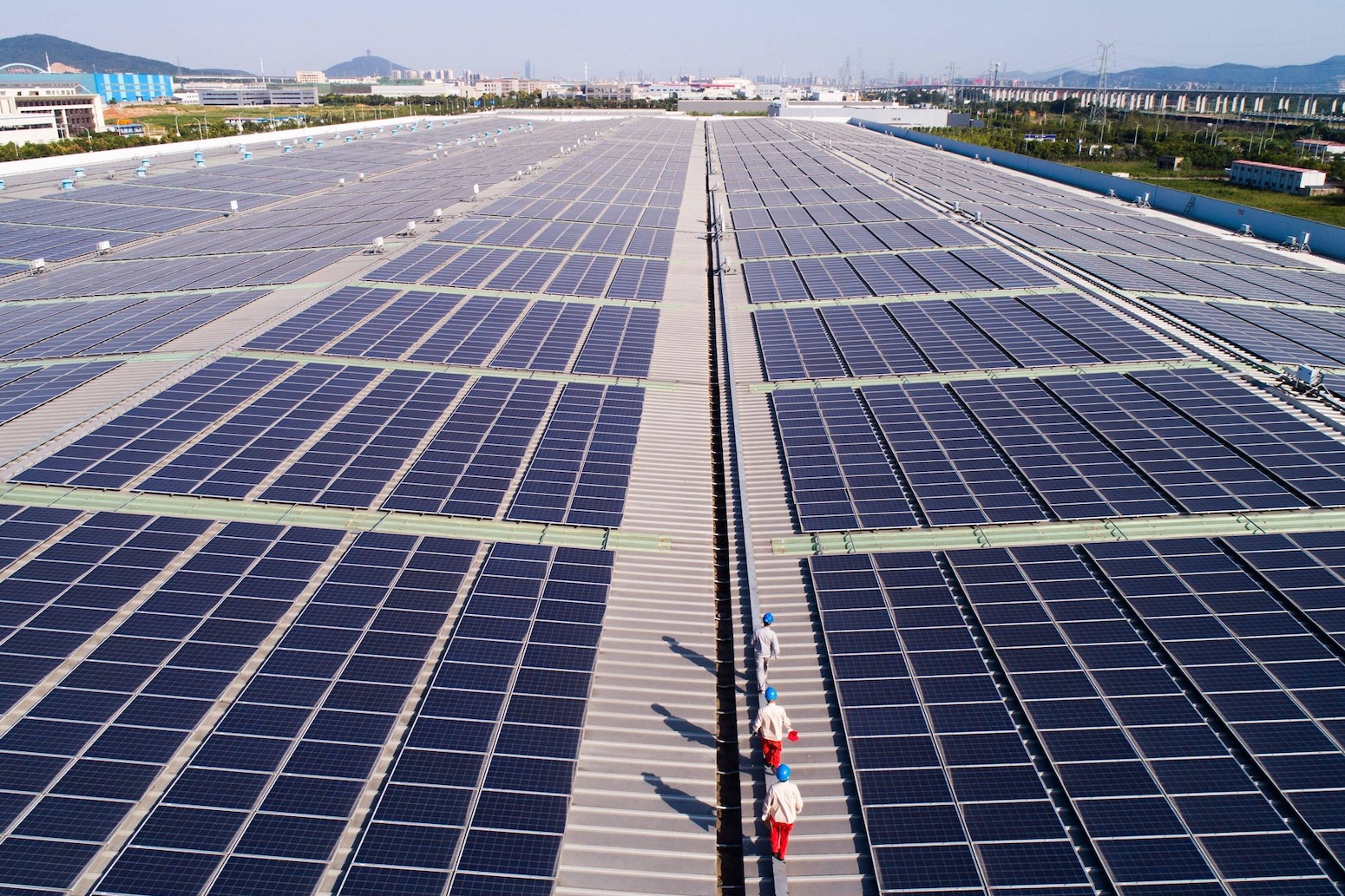
Q&A: What does China’s 15th ‘five-year plan’ for renewables mean for climate change?
Matched: climate
China's 15th five-year renewable energy plan sets targets and policies for expanding clean power through 2030. It aims to accelerate solar, wind, and other renewable deployment, reinforcing China's role as the world's largest clean energy market. Analysts say the plan could significantly cut emissions and influence global climate goals, though implementation and grid integration challenges remain key concerns for whether targets translate into real-world impact.

Factcheck: No, Europe’s heatwaves are not being ‘caused’ by declining air pollution
A claim circulating online attributes Europe's heatwaves to declining air pollution rather than climate change. Experts say this is misleading. While reduced aerosol pollution does contribute a small amount of additional warming by allowing more sunlight through, scientists are clear that human-caused climate change from greenhouse gas emissions remains the dominant driver of increasingly frequent and intense European heatwaves.