
Filtered by category: The Conversation, tag: climate change × Clear
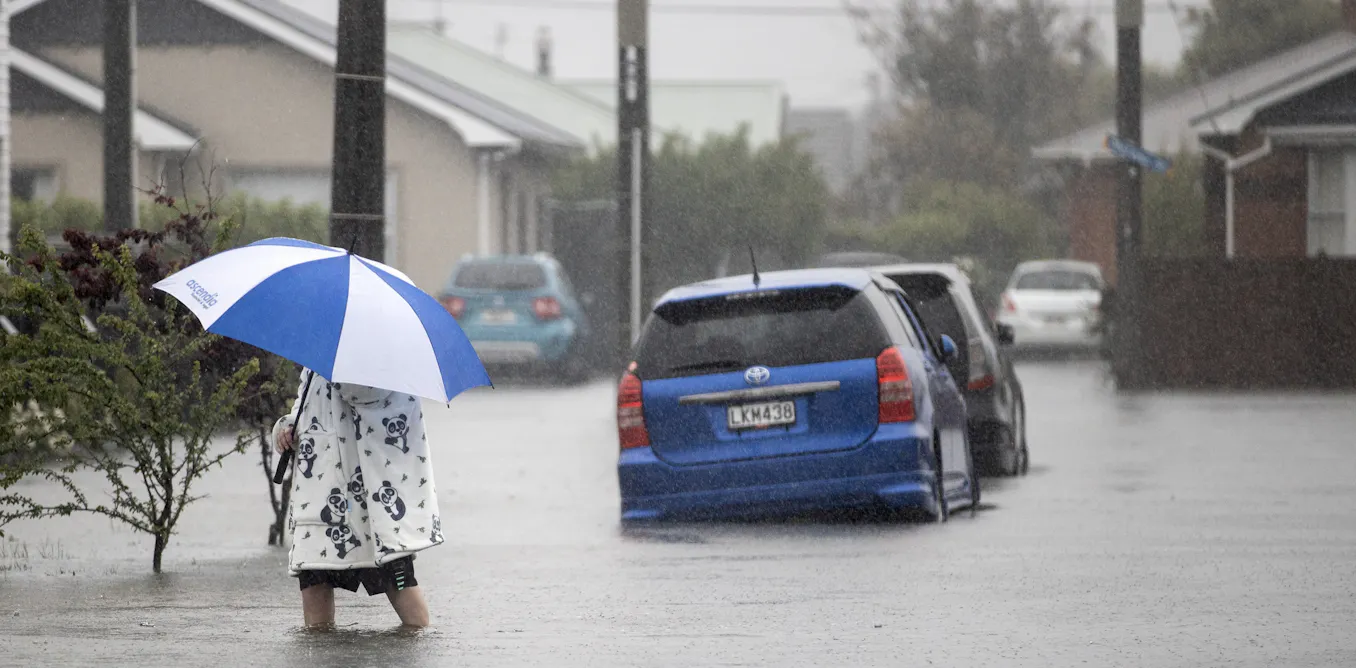
Disabled people face greater climate change risks – and they can also help NZ adapt
Matched: climate
New research highlights that disabled people in New Zealand face disproportionate climate risks but are largely excluded from policy discussions. Researchers argue this is a missed opportunity, as disabled people's lived experience navigating barriers gives them practical knowledge that could strengthen community resilience and improve climate adaptation planning for everyone.

Climate change may be making us lonelier: How heat waves and extreme weather disrupt social connections everyone relies on
Matched: climate
Extreme heat and severe storms are driving people indoors and disrupting communal events, festivals, and shared spaces that foster social bonds. Researchers warn this climate-driven isolation compounds existing loneliness problems. Vulnerable groups, including the elderly and low-income residents lacking air conditioning, face the greatest risk, as repeated disruptions to community traditions and gathering places can permanently erode social ties.
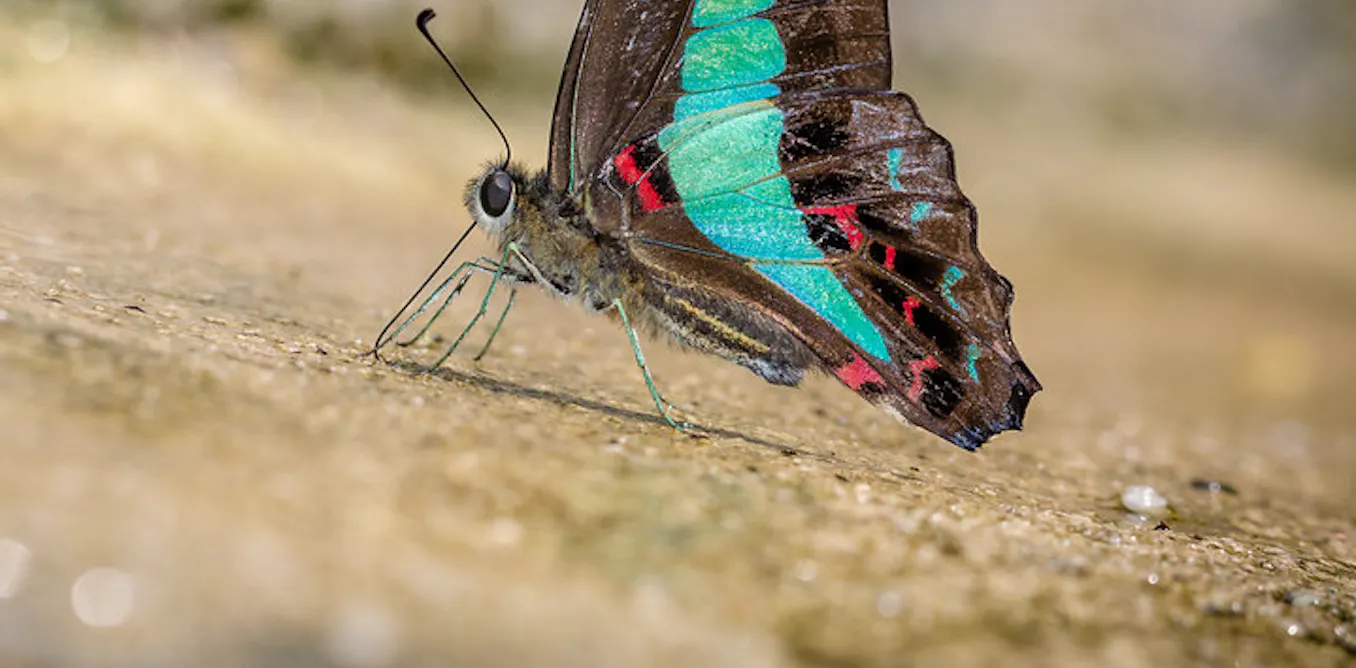
Butterflies are on the move as the planet warms: new research
As climate change shifts habitats, butterflies are moving to new areas. Researchers warn that conservation strategies must adapt accordingly, protecting not just where species currently or historically lived, but also the regions they are migrating toward as temperatures rise. Focusing only on existing or past habitats risks leaving future refuges unprotected.
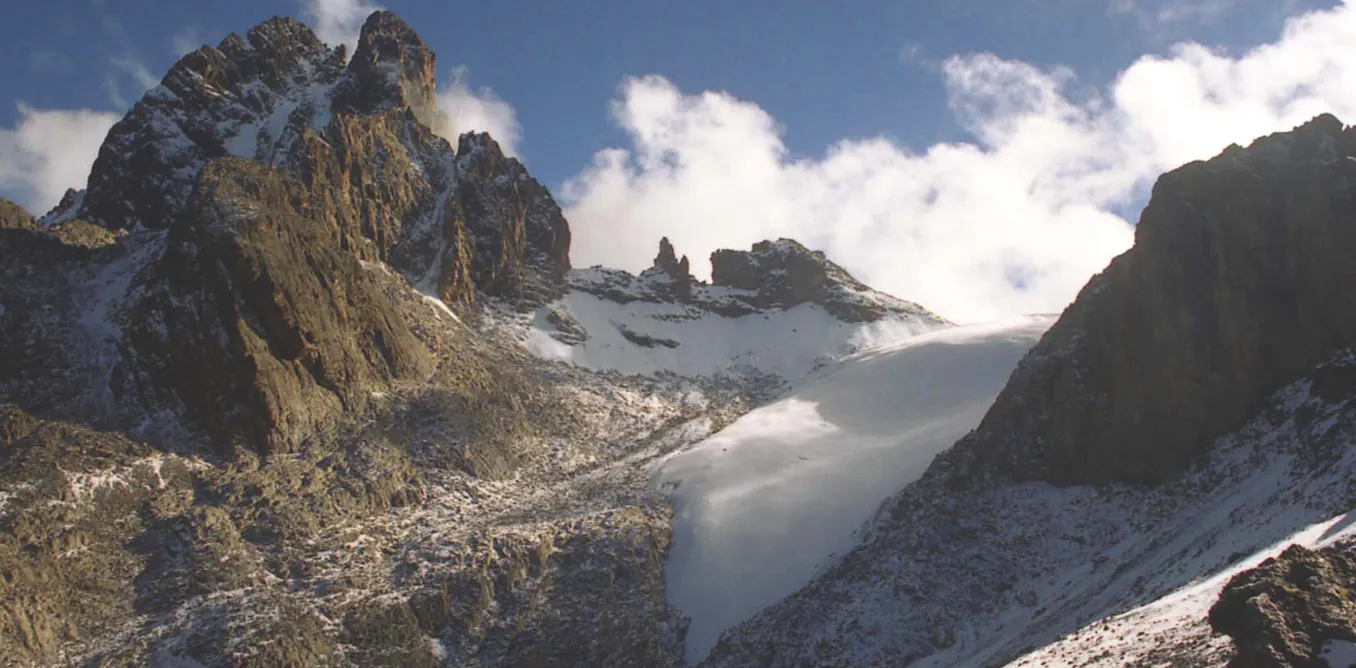
East Africa’s iconic snow peaks will soon disappear for good – what will be lost when they melt
Glaciers on East Africa's iconic peaks — Kilimanjaro, Mount Kenya, and the Rwenzori Mountains — are rapidly disappearing due to warming Indian Ocean temperatures driving reduced snowfall. Scientists warn the ice could vanish within years. Beyond their cultural and symbolic significance, the glaciers feed rivers and water supplies that millions of people depend on, making their loss an ecological and humanitarian concern.
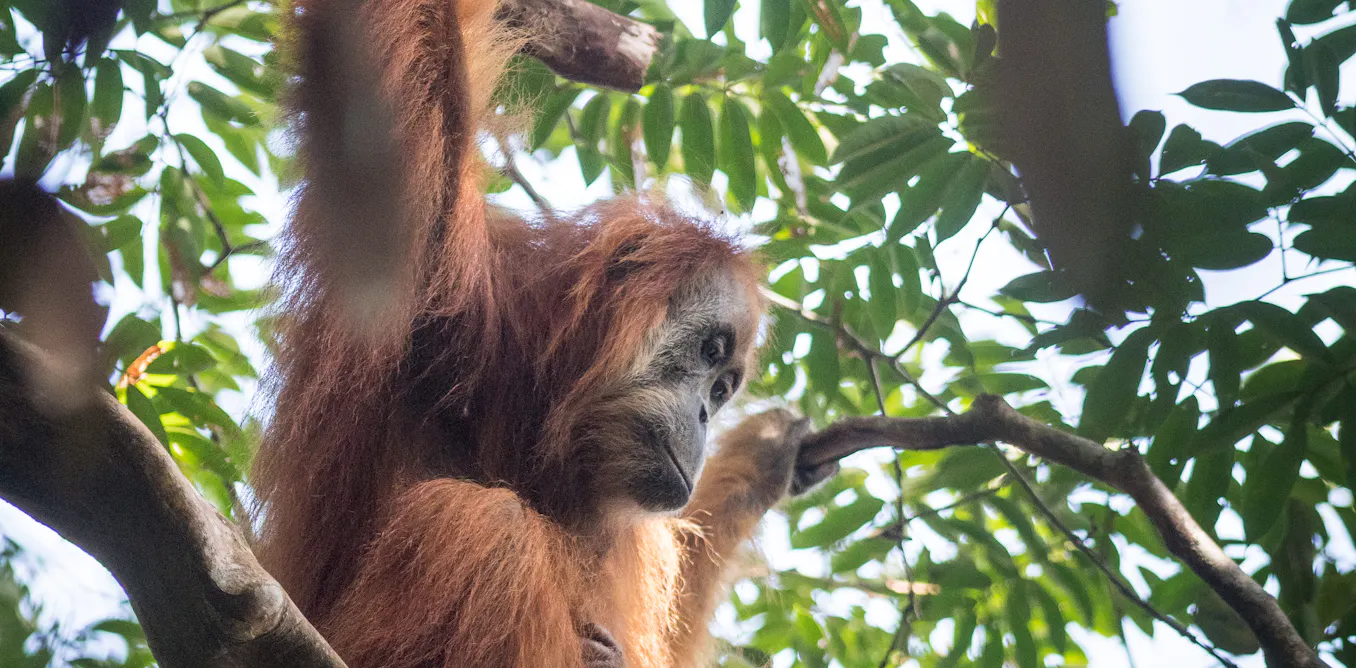
Multiple threats endanger the world’s rarest great ape, a new study on the Tapanuli orangutan reveals
Matched: climate
The Tapanuli orangutan, the world's rarest great ape, faces mounting threats from multiple simultaneous pressures, including extractive industries, logging, agricultural expansion, and climate-related disasters, according to a new study. Fewer than 800 individuals remain, and researchers warn that the combination of these overlapping threats makes conservation efforts increasingly urgent and complex.

‘Was this heatwave caused by climate change?’ – we’re asking the wrong question
Matched: climate
Scientists say framing extreme weather events as simply "caused or not caused" by climate change is misleading. A better question is how much worse climate change made an event. Research shows heatwaves are now hotter and more frequent due to fossil fuel emissions. Attribution science can quantify this difference, giving a clearer picture of climate change's real-world impact on extreme weather.
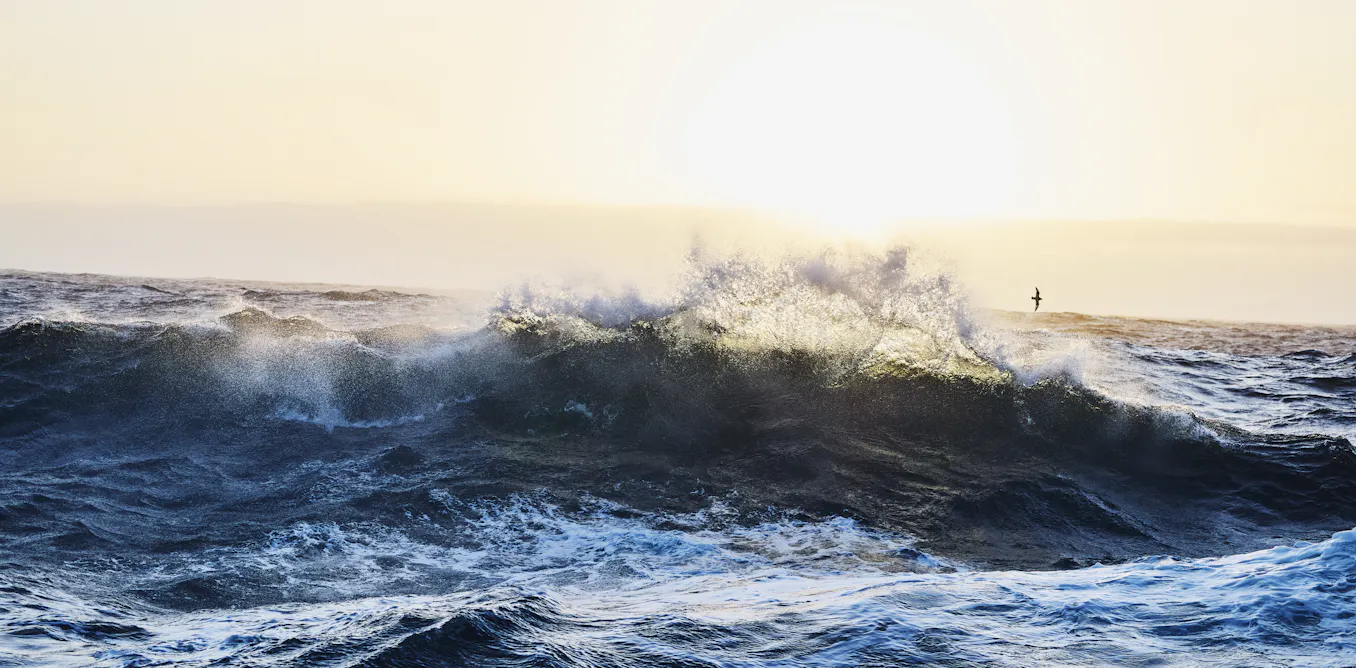
Falls in whale sightings, rare seabirds appearing – is something unusual happening in the Southern Ocean?
Unusual wildlife patterns are emerging around the Southern Ocean, including fewer whale sightings and rare seabirds appearing in unexpected locations. Scientists suspect marine heatwaves may be disrupting migration and feeding patterns, but the region remains poorly monitored. Researchers say better long-term data collection is urgently needed to determine whether these changes reflect a significant ecological shift.
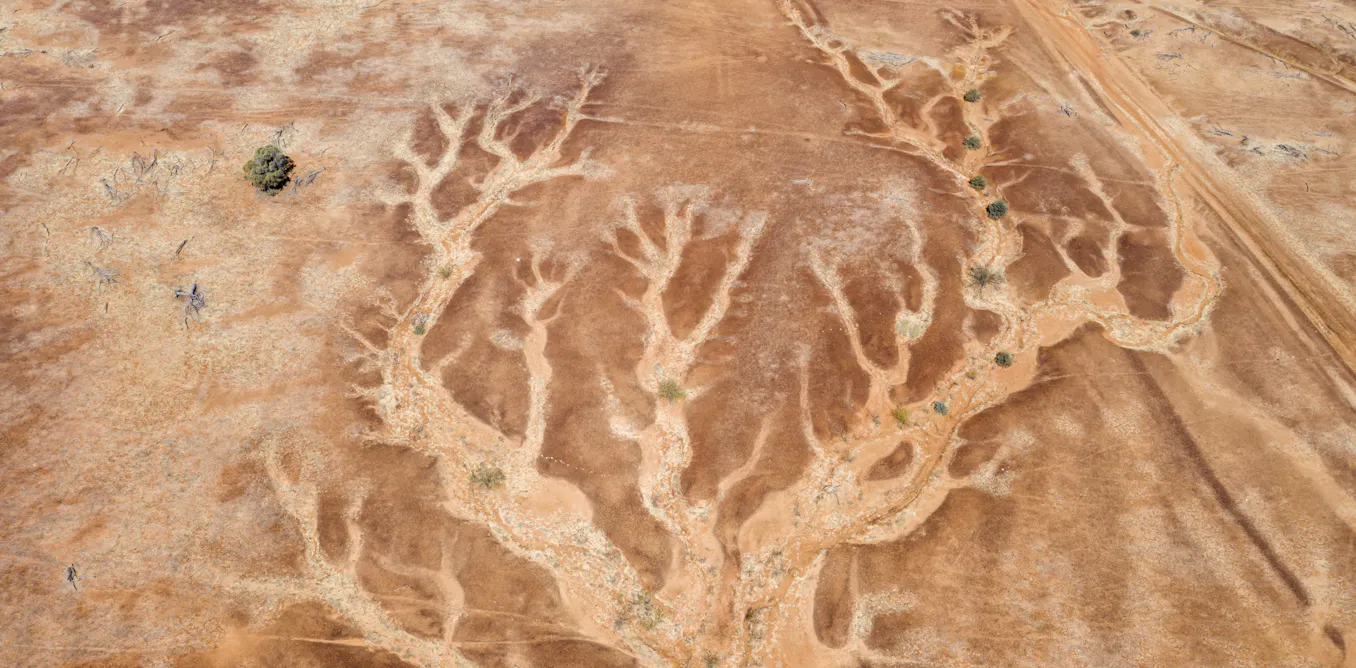
Flash droughts pull ‘alarming’ amounts of moisture from the landscape and intensify wildfires: new research
Scientists warn that "flash droughts" — rapidly intensifying dry spells — extract alarming amounts of moisture from soil and vegetation far faster than conventional droughts. This accelerates wildfire risk by quickly drying out landscapes. Researchers say drought should be understood as a dynamic, fast-changing process rather than a static condition, with rapid shifts posing serious fire management challenges.
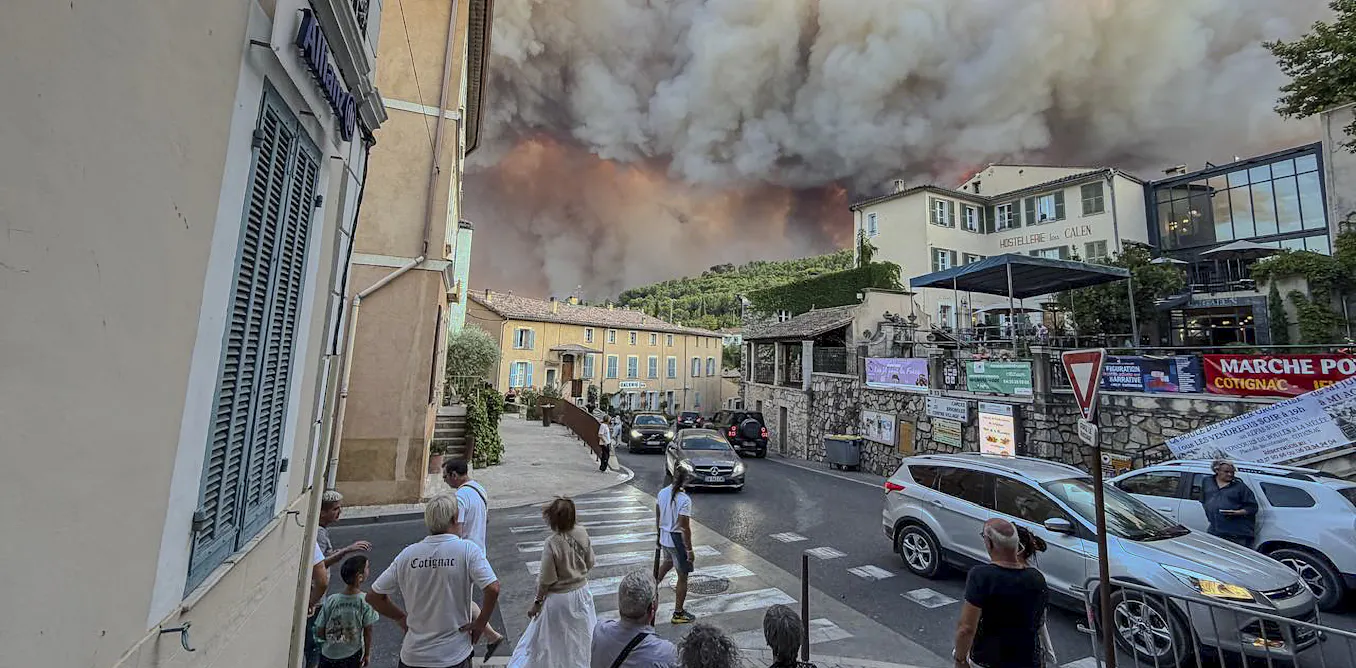
‘The fire has such power’: why the wildfires gripping France and Spain are off the charts
Wildfires in France and Spain are becoming increasingly difficult to control due to hotter, drier conditions linked to climate change. Fires are burning more intensely and spreading faster, overwhelming firefighters. Experts warn that traditional suppression methods are less effective against these "mega-fires," which generate their own weather systems, making them nearly impossible to extinguish until conditions change.
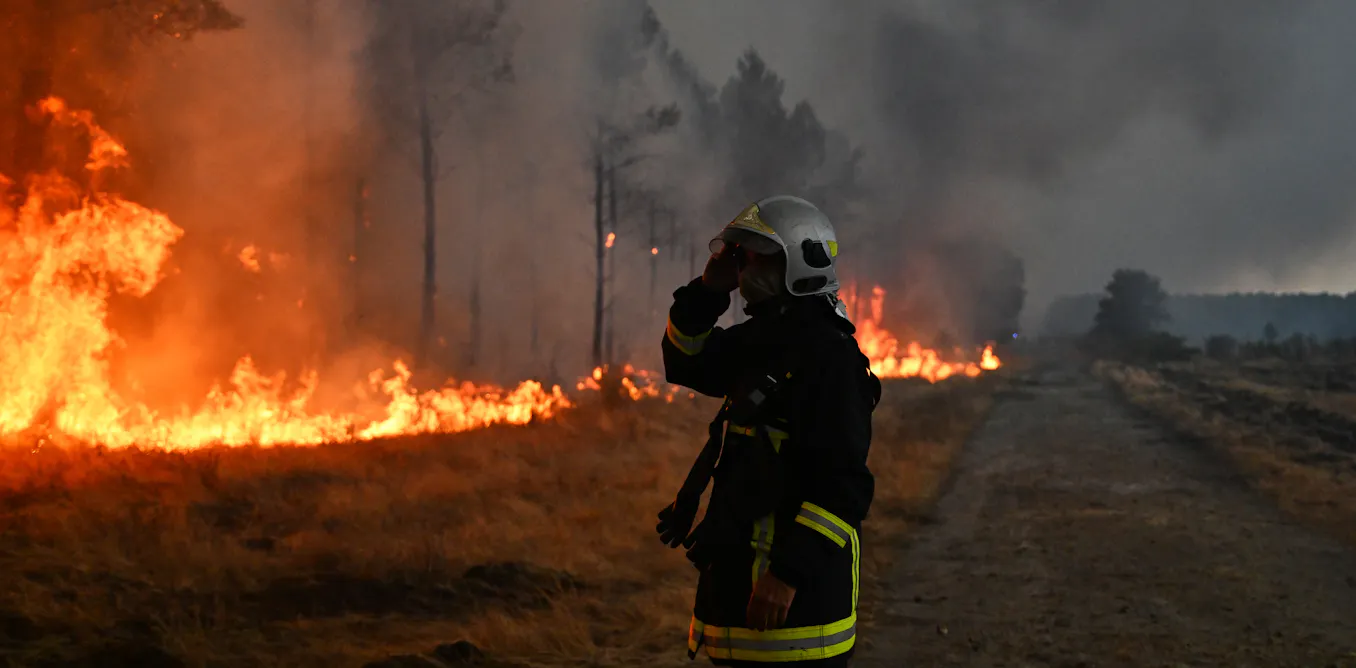
Donald Trump blames Canada for wildfire smoke — but global warming is loading the wildfire dice
Trump blamed Canada for wildfire smoke affecting the US, but scientists say climate change is the primary driver of worsening wildfires. While forest management plays a role, rising temperatures and drought conditions driven by global warming are making fires more frequent and severe across North America, regardless of which side of the border they ignite.
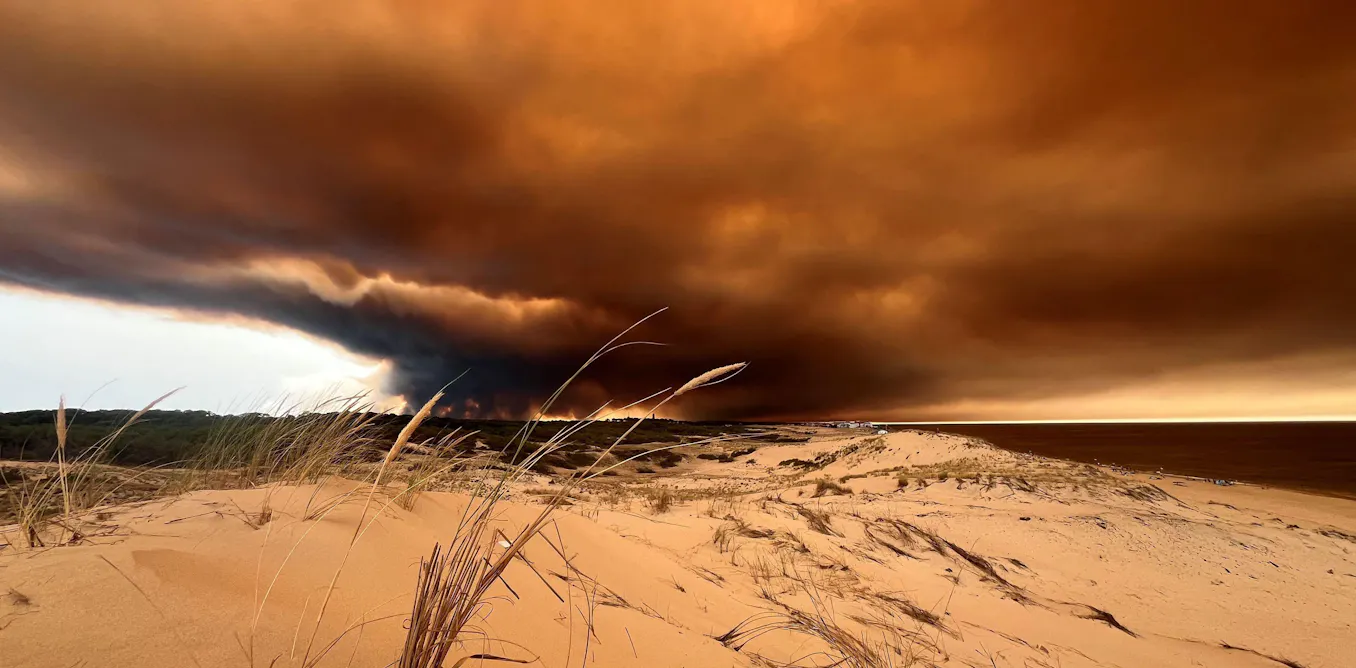
Wildfires: why media coverage doesn’t always make the climate connection
Matched: climate
Wildfires have multiple overlapping causes — weather, land use, and long-term climate change — making media framing difficult. Journalists often focus on immediate, local factors like dry conditions or human ignition rather than linking fires to broader climate trends. Editors, deadlines, and audience expectations all shape what gets emphasized, meaning the climate connection is frequently underplayed or omitted entirely.
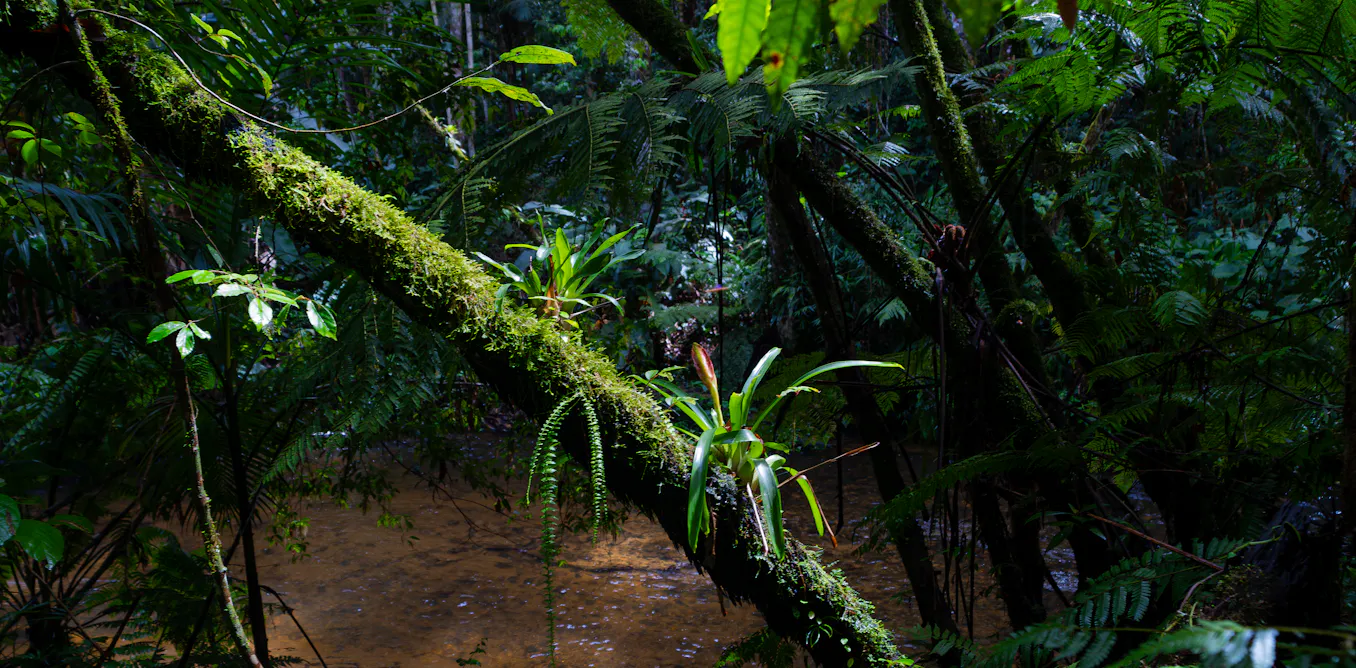
Impact of climate change may be equivalent to 3.3 million years of transformations in tropical vegetation
Matched: climate
A new study warns that climate change could compress 3.3 million years of natural vegetation transformation into just decades. Tropical plant communities, which evolved slowly over millennia, may be forced to shift rapidly, disrupting ecosystems. Researchers say this unprecedented pace leaves little time for adaptation, threatening biodiversity, carbon storage, and the stability of tropical regions globally.
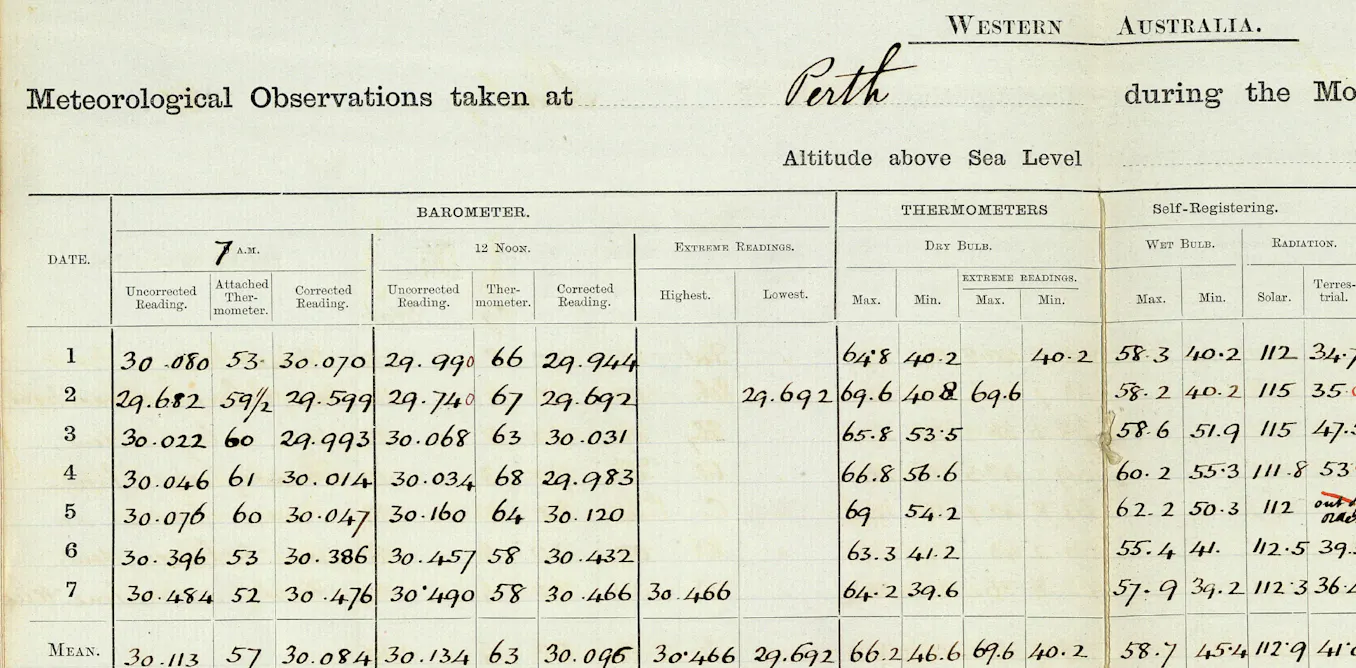
What two centuries of Perth storm records tell us about future climate risk
Matched: climate
Researchers have analysed over 200 years of storm records from Perth, Western Australia, to better understand natural climate variability before industrial fossil fuel use. The historical data helps distinguish natural fluctuations from human-caused climate change, and reveals long-term rainfall and storm trends. Findings suggest the region faces increasing climate risk, with implications for future water security and disaster planning.
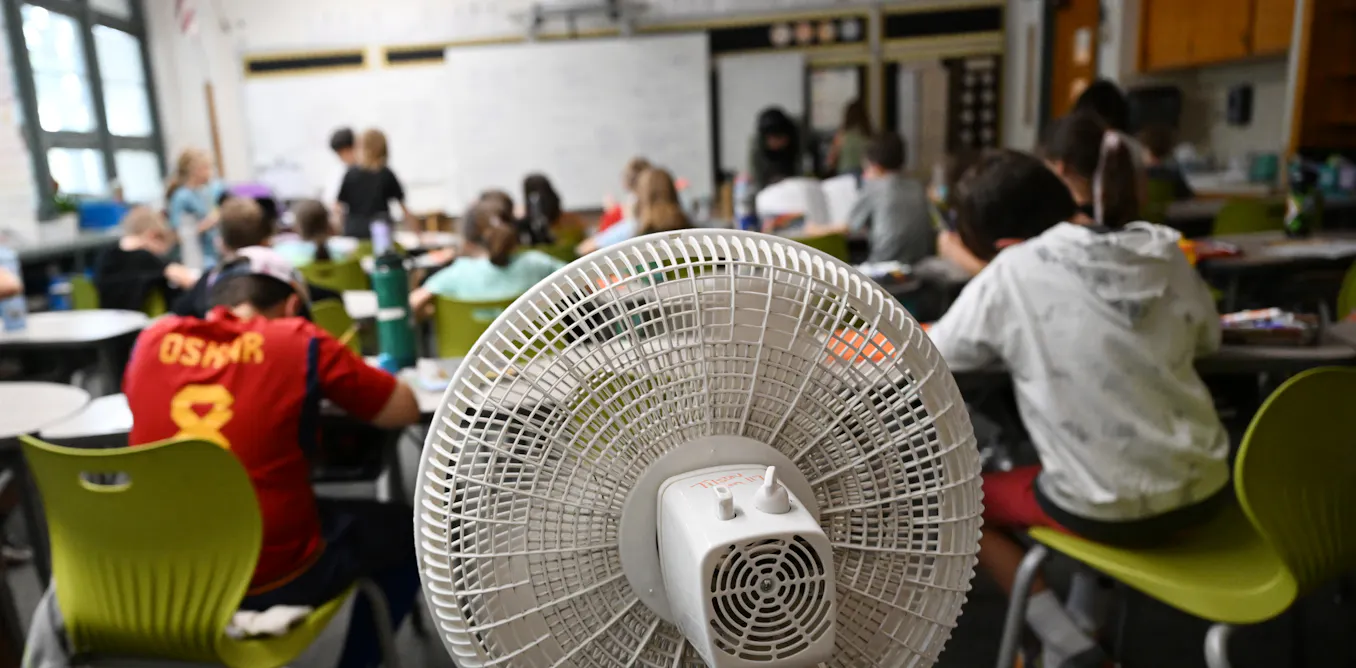
It’s getting hotter in classrooms and on playgrounds – schools aren’t ready to handle extreme temperatures
Schools increasingly starting in July or August face growing heat risks as climate change intensifies summers. Many school buildings lack air conditioning, and outdoor spaces offer little shade. Extreme heat harms children's health, attendance, and learning. Experts warn districts are underprepared, urging investments in cooling infrastructure, adjusted schedules, and heat action plans to protect students and staff.