
Filtered by category: The Conversation, tag: conservation × Clear
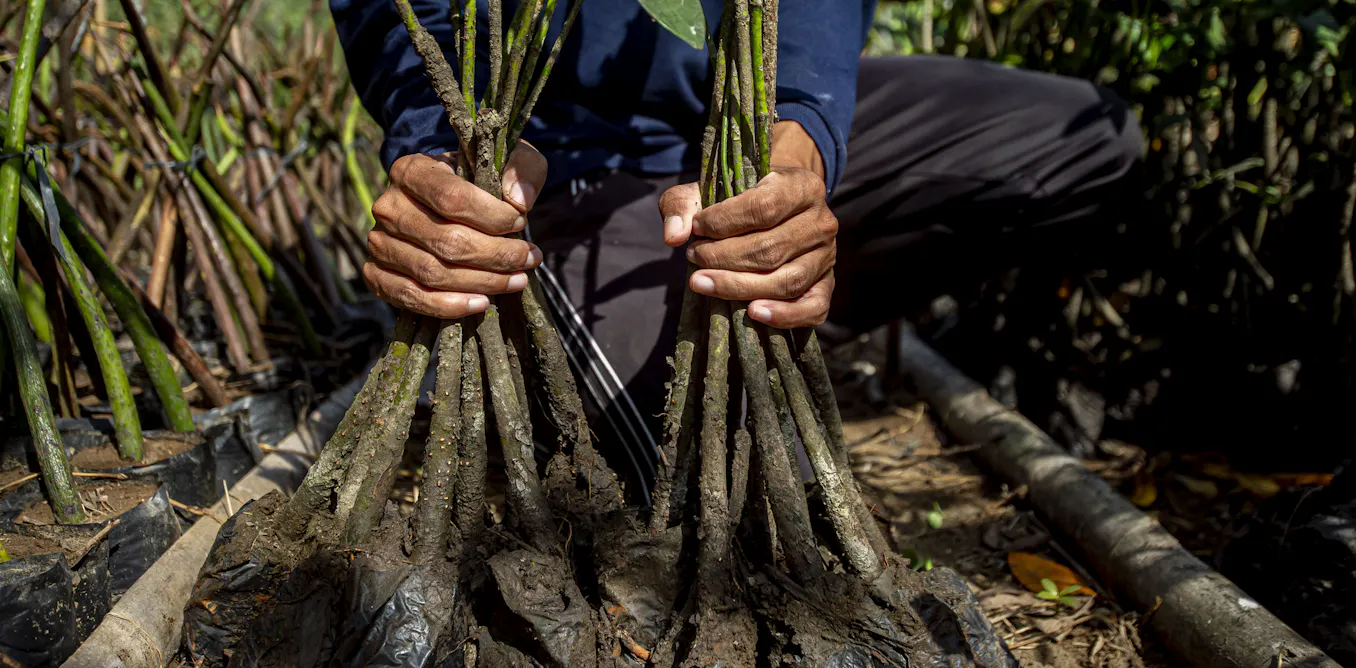
The world’s mangrove forests are bouncing back. That’s good news for our coasts and climate
Matched: climate
Global mangrove forests are recovering after decades of decline, according to a new study. The findings are considered significant because mangrove ecosystems protect coastlines from erosion and storm surges, support marine biodiversity, and store large amounts of carbon. Researchers credited conservation efforts and policy changes in several countries for driving the recovery, though they warned some regions continue to face threats from deforestation and climate change.
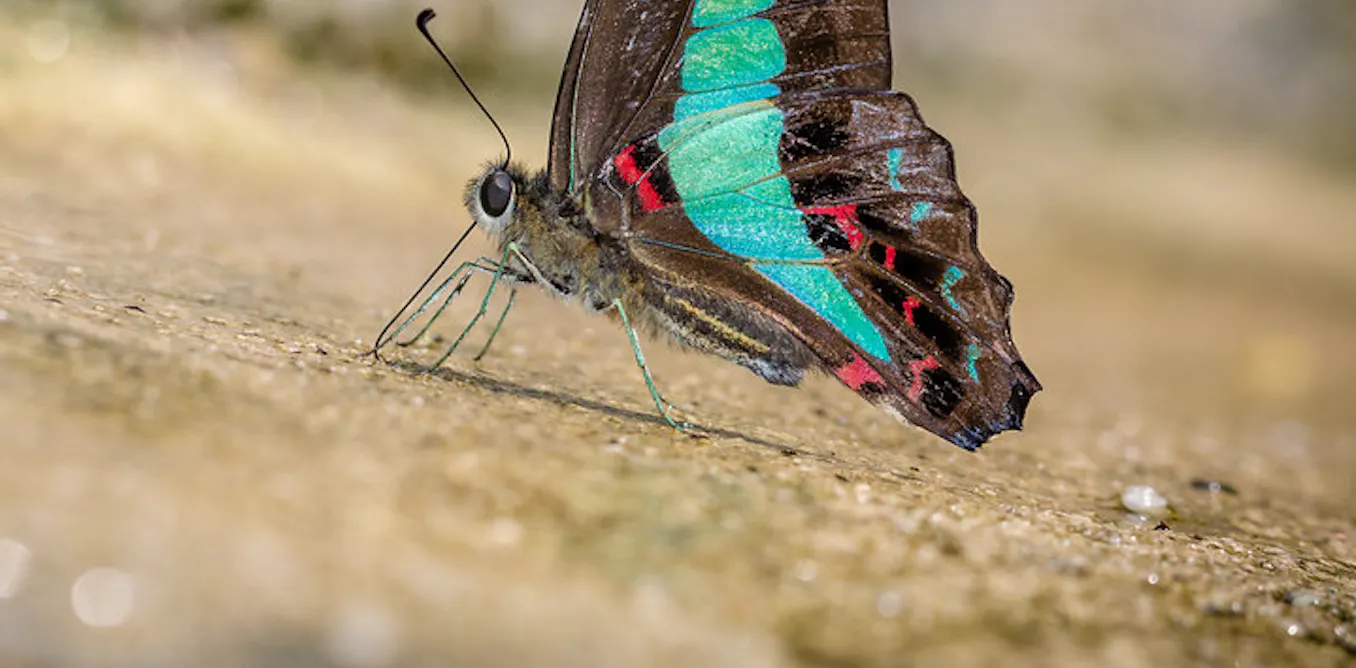
Butterflies are on the move as the planet warms: new research
As climate change shifts habitats, butterflies are moving to new areas. Researchers warn that conservation strategies must adapt accordingly, protecting not just where species currently or historically lived, but also the regions they are migrating toward as temperatures rise. Focusing only on existing or past habitats risks leaving future refuges unprotected.
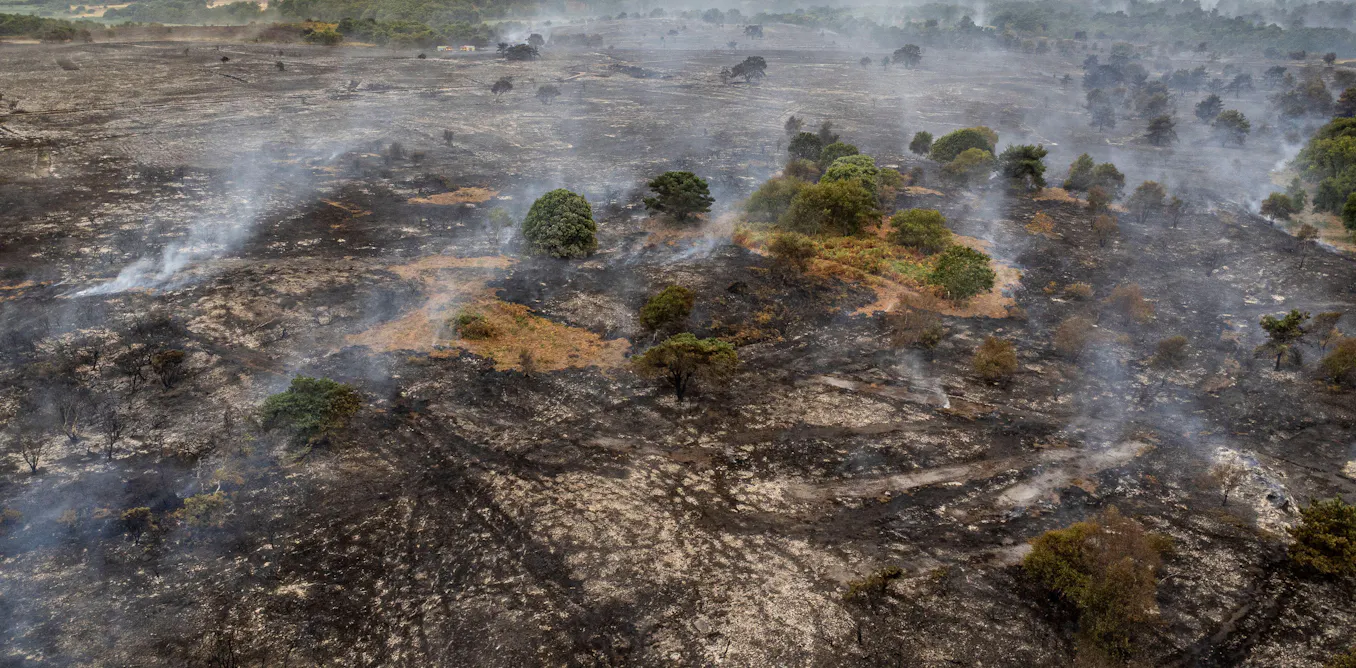
How rewilding could help stop the spread of Britain’s wildfires
Wildfires in Britain are becoming more frequent due to climate change and dry conditions. Rewilding — restoring natural habitats with diverse, moisture-retaining vegetation — could help reduce fire risk. Unlike dry monoculture grasses or dense conifers, rewilded land with mixed plants and restored wetlands creates natural firebreaks and holds more water, making landscapes inherently more resistant to ignition and spread.
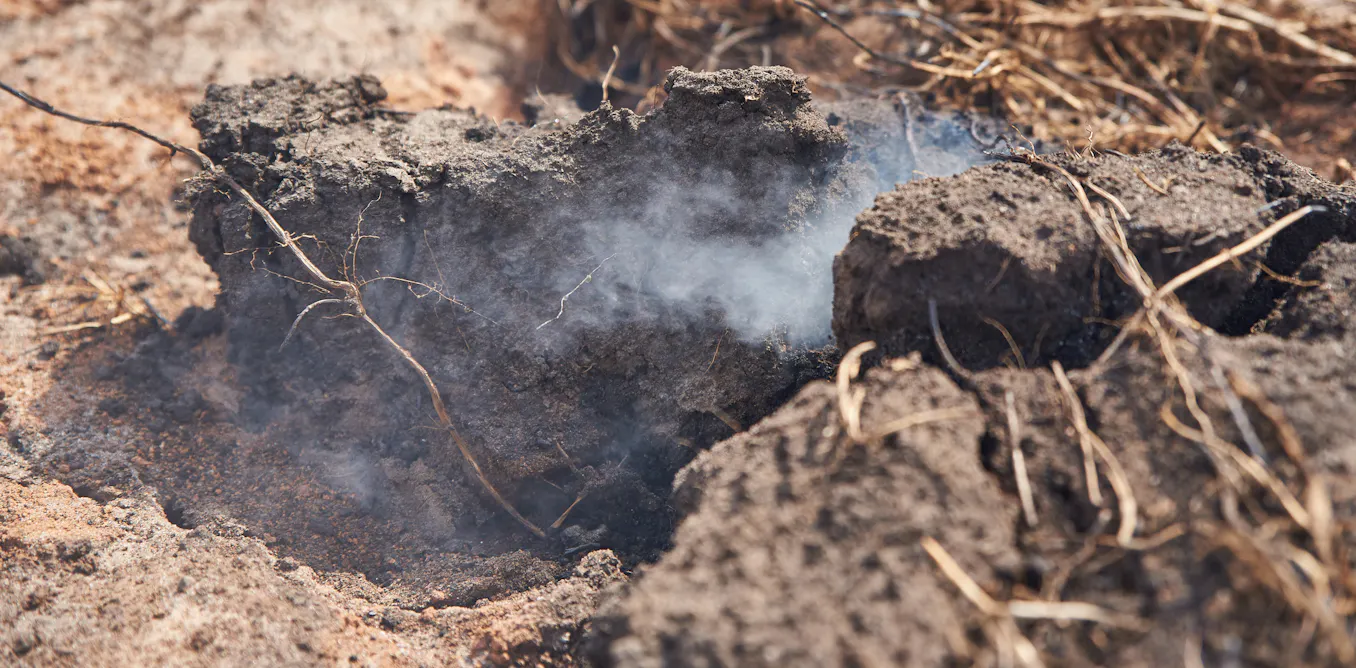
Fire can destroy peatlands. But in Australia, it can also help protect them
Peatlands store vast amounts of carbon and support rich wildlife, but are threatened by fire. In Australia, researchers have found that careful, controlled burning — a practice rooted in Indigenous land management — can actually help protect peatlands by clearing surrounding vegetation and reducing the risk of more destructive wildfires reaching these sensitive ecosystems.