
Filtered by category: The Conversation, tag: wildfires × Clear
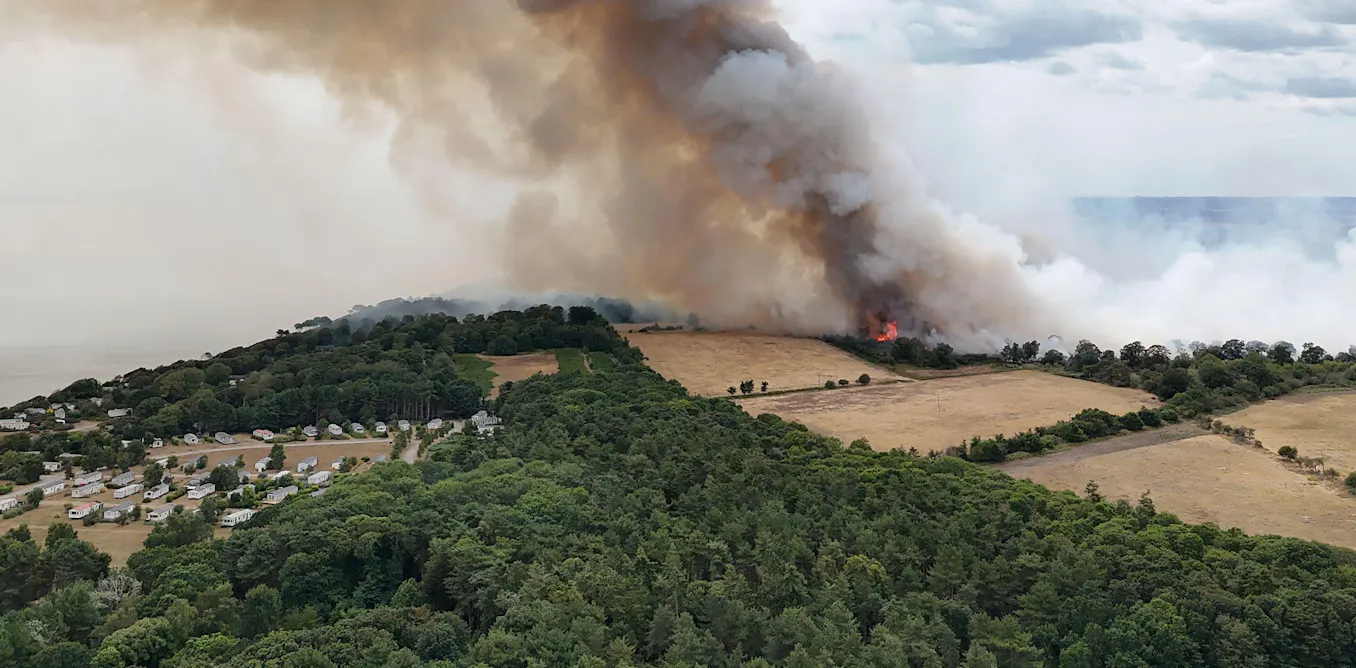
Firefighting aircraft aren’t enough – Britain needs to build a wildfire-resilient society that involves everyone
Britain faces growing wildfire risk due to climate change and land management issues. While calls for firefighting aircraft grow after major incidents, experts argue the focus should shift to prevention — including landscape management, controlled burns, public awareness, and community involvement. Reactive aerial resources have value but cannot substitute for the long-term societal and environmental changes needed to reduce wildfire vulnerability.
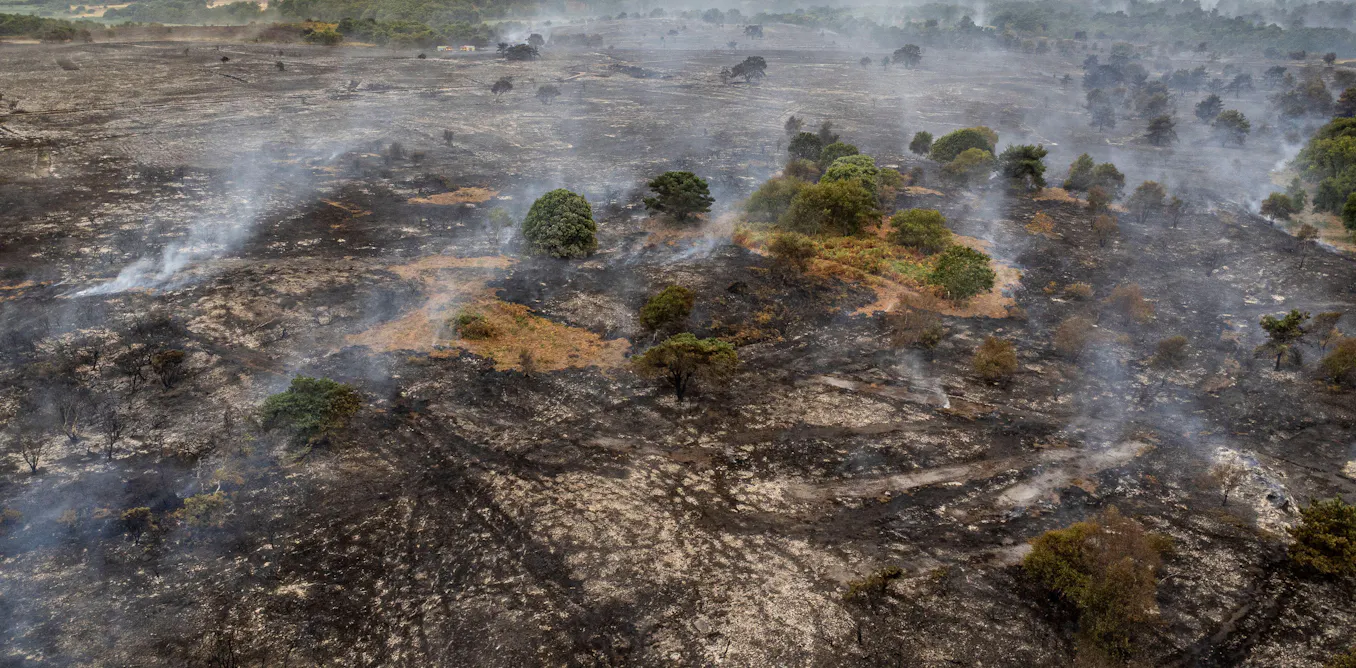
How rewilding could help stop the spread of Britain’s wildfires
Wildfires in Britain are becoming more frequent due to climate change and dry conditions. Rewilding — restoring natural habitats with diverse, moisture-retaining vegetation — could help reduce fire risk. Unlike dry monoculture grasses or dense conifers, rewilded land with mixed plants and restored wetlands creates natural firebreaks and holds more water, making landscapes inherently more resistant to ignition and spread.

Gironde wildfires: what the logistical challenges behind the mass evacuations tell us
Wildfires in France's Gironde region have highlighted the logistical complexity of large-scale emergency response. Authorities face a dual challenge: deploying firefighting resources while simultaneously evacuating tens of thousands of residents. Coordination between multiple agencies, housing displaced people, and managing supply chains for crews are critical factors that can determine how effectively such disasters are handled.
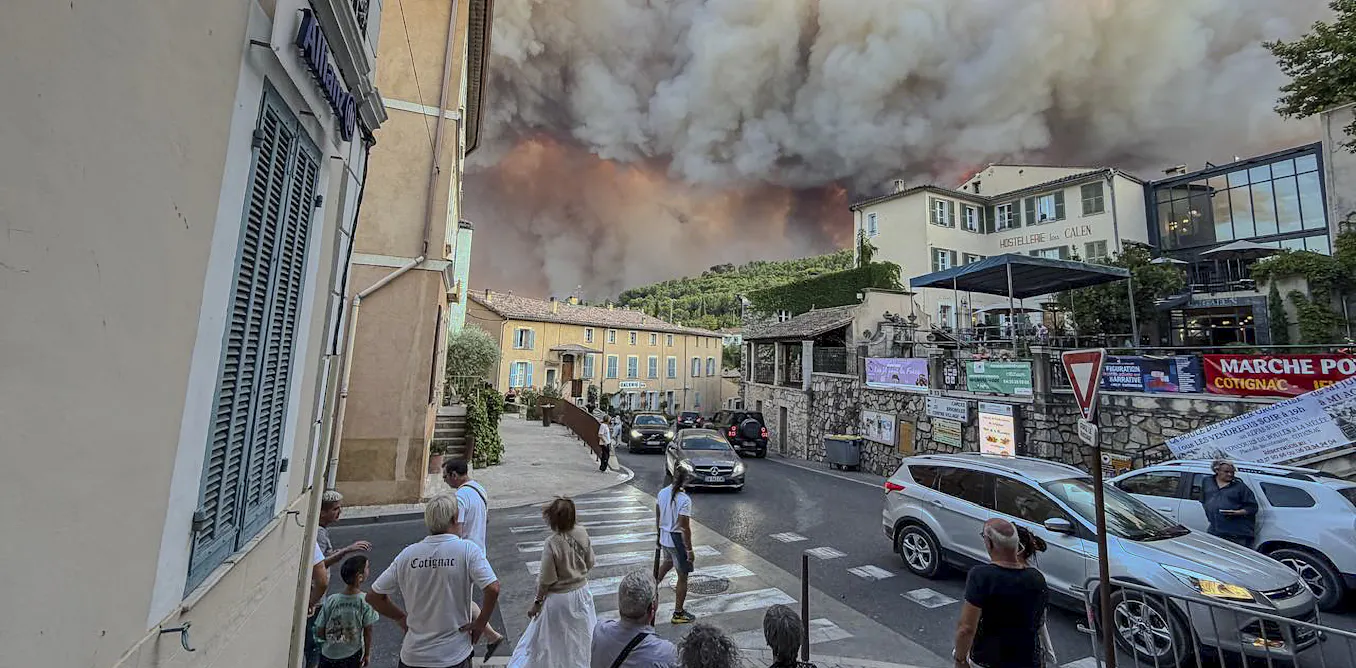
‘The fire has such power’: why the wildfires gripping France and Spain are off the charts
Wildfires in France and Spain are becoming increasingly difficult to control due to hotter, drier conditions linked to climate change. Fires are burning more intensely and spreading faster, overwhelming firefighters. Experts warn that traditional suppression methods are less effective against these "mega-fires," which generate their own weather systems, making them nearly impossible to extinguish until conditions change.
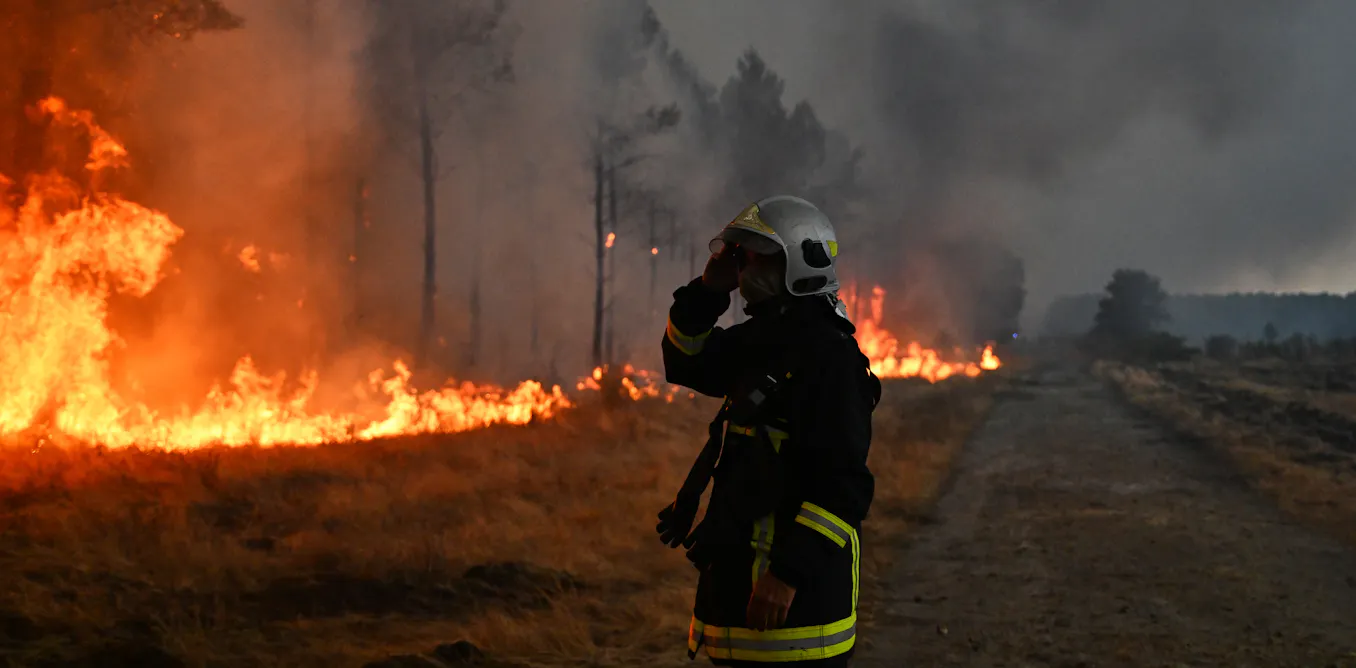
Donald Trump blames Canada for wildfire smoke — but global warming is loading the wildfire dice
Trump blamed Canada for wildfire smoke affecting the US, but scientists say climate change is the primary driver of worsening wildfires. While forest management plays a role, rising temperatures and drought conditions driven by global warming are making fires more frequent and severe across North America, regardless of which side of the border they ignite.
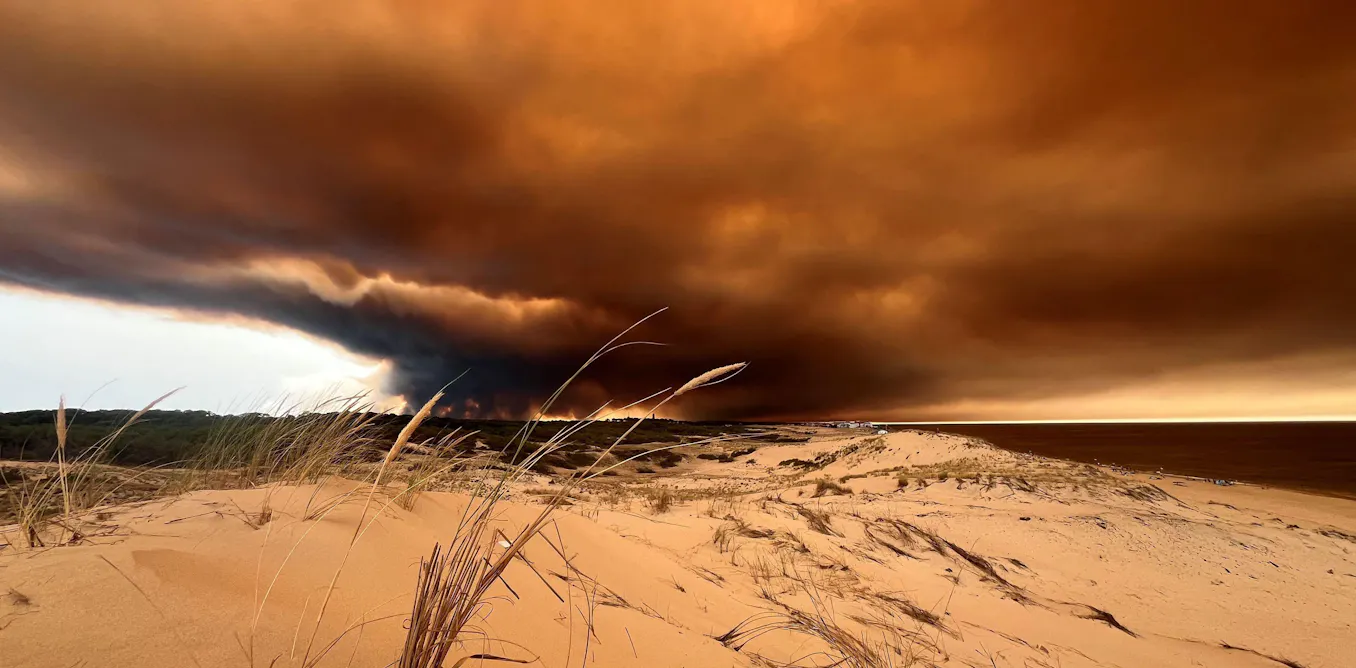
Wildfires: why media coverage doesn’t always make the climate connection
Matched: climate
Wildfires have multiple overlapping causes — weather, land use, and long-term climate change — making media framing difficult. Journalists often focus on immediate, local factors like dry conditions or human ignition rather than linking fires to broader climate trends. Editors, deadlines, and audience expectations all shape what gets emphasized, meaning the climate connection is frequently underplayed or omitted entirely.