
Filtered by category: The Guardian × Clear
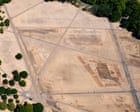
Europe’s dry riverbeds and scorched earth – in pictures
Severe drought and extreme heat across Europe have left riverbeds dry and landscapes scorched. Wildfires have spread across multiple countries as the continent endures an intense summer. Images show the stark impact on rivers, farmland and natural habitats, highlighting the growing consequences of climate-driven weather extremes affecting communities and ecosystems throughout the region.
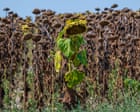
Extreme heat breaks temperature records in central and eastern Europe
Slovakia hit a record 42C in Dolné Plachtince as extreme heat swept central and eastern Europe, with Austria and Hungary also registering record temperatures. The heatwave, linked to wider drought and wildfire conditions across the continent, forced Polish authorities to shut down two power plants, at Kozienice and Połaniec.
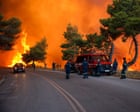
Why Britain is breathing the world’s wildfire smoke
Matched: climate
Global wildfires contribute around 10% of the UK's particle pollution, scientists say, with smoke from blazes across Europe and beyond regularly degrading British air quality. Researchers warn climate change is increasing wildfire frequency and intensity, meaning the problem is likely to worsen. Recent fires in southwestern Europe have already caused significant air quality deterioration across France and Spain.

July’s heatwaves kept UK shoppers away from high street
UK high street visits fell 3.8% year-on-year in July as heatwave temperatures deterred shoppers, who opted to buy online instead. The drop followed a 6.2% decline in June. Sensormatic data for the British Retail Consortium recorded the falls as temperatures in some areas reached the mid-30Cs.

Le Corbusier’s social housing was meant to be the dream. In a summer of extreme heat, it is a nightmare | Anna Richards
In Firminy, France, Le Corbusier's listed social housing tower reaches 40C internally during heatwaves, yet heritage protection rules prevent tenants from installing shutters or making cooling modifications. Two-thirds of the building's apartments are social housing, leaving low-income residents trapped in sweltering conditions with no legal remedy, caught between historic preservation requirements and basic liveability.
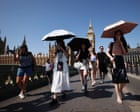
Heatwave Britain: why are politicians so slow to act? – podcast
The UK's repeated heatwaves are raising concerns about excess deaths, ageing infrastructure and food shortages, yet politicians have been slow to respond. Journalists examine how prepared Britain is for extreme heat now and in future. Also discussed: Tory leader Kemi Badenoch's handling of Joshua Bonehill-Paine, a former neo-Nazi who became a Conservative council candidate, whom she distanced herself from before offering an advisory role.
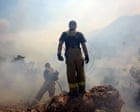
We need a wartime mindset to fight the threat of wildfires | Seth Klein
European leaders invoke WWII comparisons as wildfires devastate France and Spain, but critics argue governments aren't applying the real lessons of wartime thinking. True wartime mobilization meant rapid, preemptive government action and resource deployment — not reactive crisis management. Without that proactive approach to wildfire preparedness and climate change, the rhetoric remains hollow.
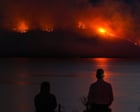
Human-driven climate crisis fuels Canada’s deadly wildfires, study finds
Matched: climate
Climate scientists have found that human-caused climate change made conditions behind Canada's current wildfires more than twice as likely to occur. Burning fossil fuels raised global temperatures, amplifying fire-prone weather in Ontario and the Northwest Territories. The blazes have forced town evacuations and sent harmful smoke across Canada and into the United States.
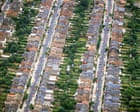
Weatherwatch: Paving over front gardens is leading to hotter nights
Paving over front gardens for car parking is worsening urban heat islands, particularly at night, as hard surfaces absorb heat during the day and release it slowly after dark. Around 55% of UK front gardens are now paved, up from 7.5% in 2005. Research shows replacing paved areas with grass and trees could reduce urban temperatures by up to 1C.

War! What is it good for? Absolutely humongous oil company profits | First Dog on the Moon
A First Dog on the Moon cartoon satirising how major oil companies profit from war and global instability. The piece uses dark humour to highlight the relationship between armed conflict and record energy sector earnings, suggesting warfare benefits fossil fuel corporations more than it resolves any human problem.
Murderous heat, an endangered food supply, decimated landscapes: embrace the Mediterranean life | George Monbiot
Matched: climate
George Monbiot critiques what he sees as a shift in climate change denial — from disputing the science to embracing nihilism. He targets Daily Telegraph editor Allister Heath, who argued that since the "war against global warming has been lost," Britain should abandon net zero and accept a warmer climate. Monbiot characterises this stance as celebrating civilisational collapse rather than engaging seriously with climate consequences.
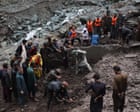
‘I just want to find them’: deadly cloudbursts devastate Kashmir’s mountain communities
Matched: climate
Devastating cloudbursts in Indian-administered Kashmir are destroying homes, crops and livestock as climate change drives increasingly erratic weather. In one village, a predawn flash flood buried homes under mud and boulders within minutes. Communities in remote mountain areas face repeated losses with little warning, and many families are still searching for missing relatives following the deadly July storms.
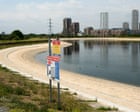
‘We cannot magic up more water’: the supply problems putting housing targets in England at risk
Council leaders in England warn that water scarcity and crumbling infrastructure are threatening the government's housebuilding targets, particularly in the east and south-east. With half the country declared in serious drought for a second consecutive year, the Environment Agency warns of serious economic and environmental consequences, and local leaders say new homes cannot be built without adequate water supply.