The Panama Canal, a critical artery for global trade, is grappling with an unprecedented water crisis. Prolonged droughts, intensified by climate change and El Niño events, have led to historically low water levels in Gatun Lake, the canal’s primary freshwater source. These conditions reflect the kinds of hydrological disruptions explored in Global Warming Drives Water Cycle Extremes. This shortage has forced authorities to reduce daily ship transits, causing significant delays and economic repercussions worldwide.
Key Points
Global Trade Disruptions
With about 7% of global trade passing through, the canal’s reduced capacity has led to increased shipping costs and rerouted cargo, impacting international supply chains. These disruptions also reflect the larger climate-related economic risks outlined in this analysis of how a 3°C rise in global temperatures could slash 40% off the world economy.
Local Water Security
The same freshwater used for canal operations is vital for Panama’s population, agriculture, and hydropower. Drought conditions have heightened tensions over water allocation, affecting over 2 million residents.
Controversial Solutions
Plans to construct a new dam on the Indio River aim to secure water for the canal but would displace thousands and submerge communities, sparking social and environmental concerns.
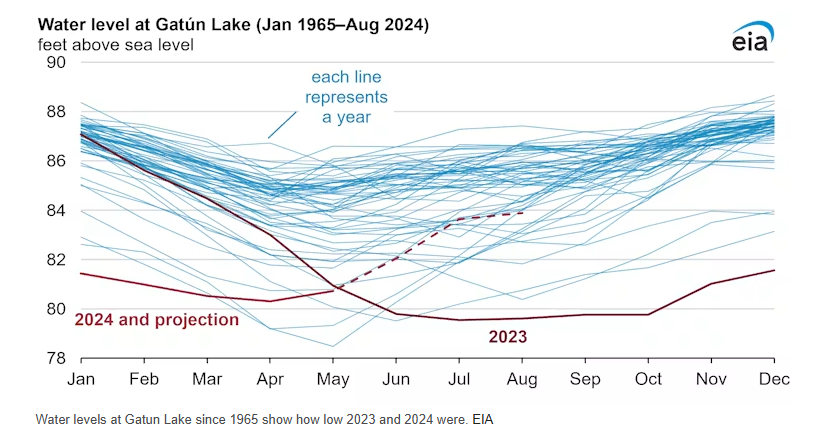
This crisis underscores the urgent need for sustainable water management and climate adaptation strategies to safeguard both global commerce and local livelihoods.