
Filtered by category: Earth.org × Clear
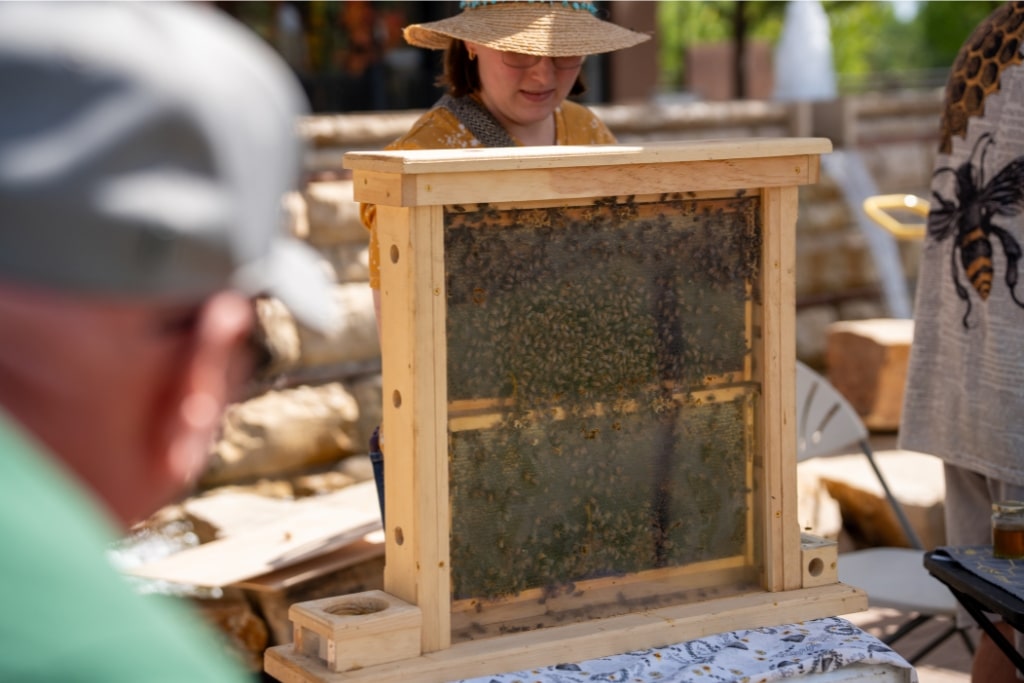
Can Development Reverse Pollinator Decline? Lessons from the World’s First Pollinator District
A community planning model called the Pollinator District framework aims to reverse pollinator decline by embedding habitat creation, native landscaping, sustainable design, research, and public education directly into real estate development. Proponents argue the approach demonstrates that urban growth need not harm bees, butterflies, and other critical species, but can actively support their recovery.
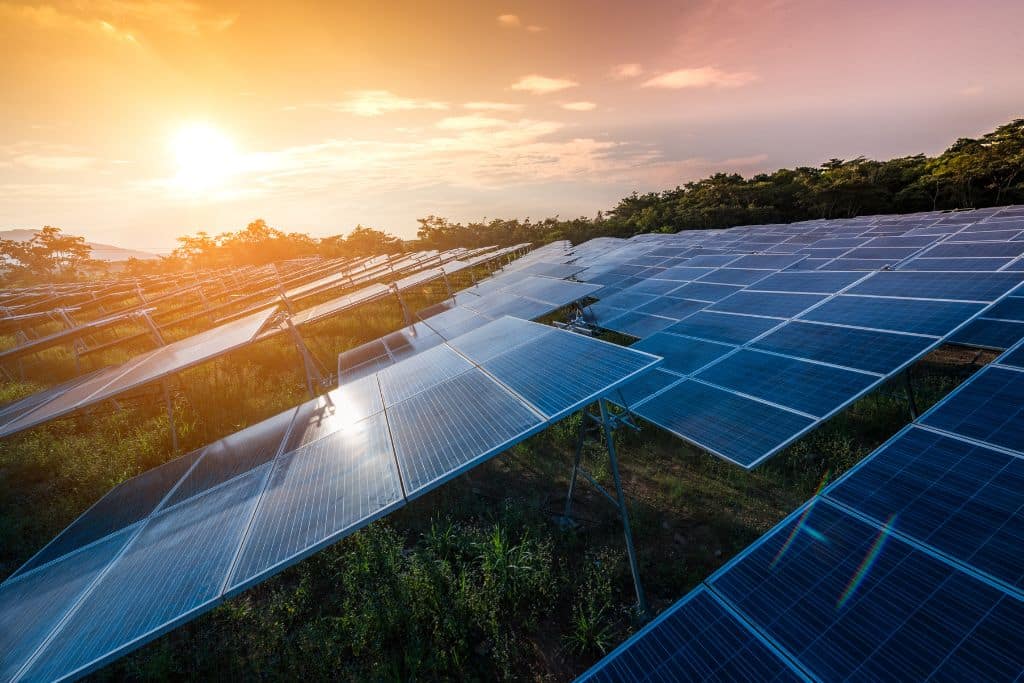
A Battery Made of Air? Hydropneumatic Energy Storage Takes Flight
Hydropneumatic energy storage, which uses compressed air to store energy, is gaining renewed interest thanks to technical advances. The approach offers a potential alternative to conventional batteries for storing renewable energy. Developers say updated designs improve efficiency over older compressed air systems, making the technology more viable for grid-scale applications where long-duration, low-cost energy storage is increasingly needed.

Decades of Using PFAS-Based Firefighting Foam Left Behind a Toxic Legacy
Military bases and airports across the US used PFAS-containing firefighting foam for decades, contaminating soil and groundwater and exposing nearby communities and service members to cancer-linked "forever chemicals." These persistent substances don't break down naturally. Cleanup efforts are now underway but remain costly and complex, with affected communities continuing to fight for remediation and accountability from the government and manufacturers responsible.

Humanity Has Already Used Up Nature’s Entire Annual Budget of Ecological Resources and Services
Earth Overshoot Day fell on July 30 this year, marking the point at which humanity has consumed all the ecological resources and services Earth can regenerate in a full year. For the remaining months of 2023, human demand exceeds what the planet can sustainably provide, including clean water, air, and food.

International Tiger Day: This Is What It Takes to Save the Sumatran Tiger
With the Javan and Balinese tigers already extinct, the Sumatran tiger faces a similar fate, surviving only in fragmented rainforest on one Indonesian island. Conservation efforts focus on protecting remaining habitat, tackling poaching, and reducing human-wildlife conflict. Without urgent intervention, the subspecies — already critically endangered — risks becoming another loss in the region's ongoing biodiversity crisis.
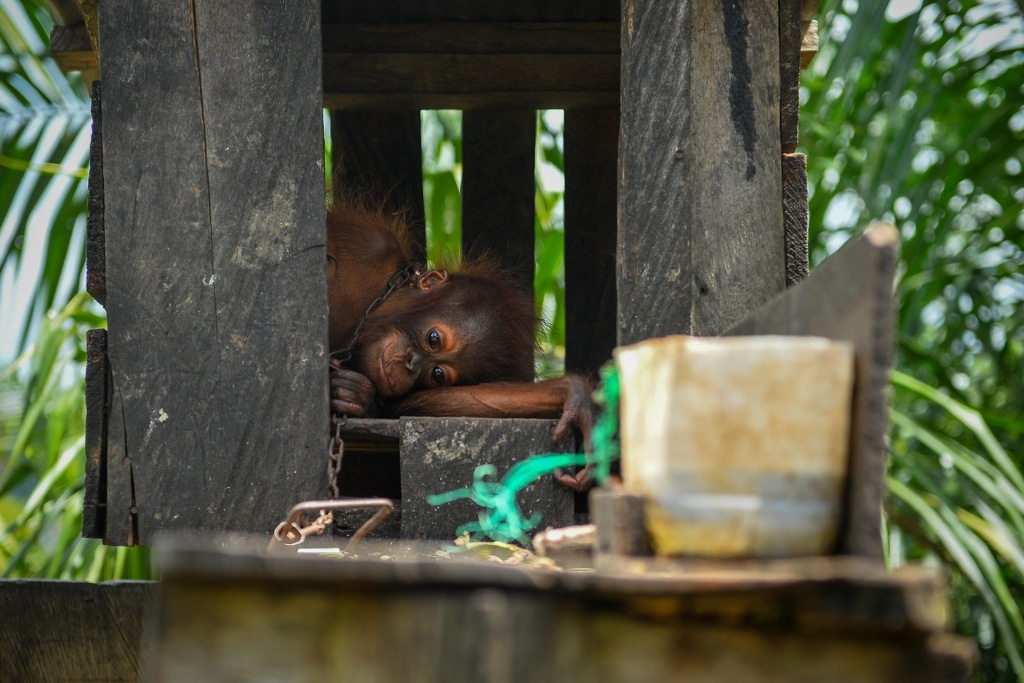
Global Guidance on Wildlife Management Must Not Put a Stamp of Approval on Exploitative Practices
A meeting in Nairobi will produce global wildlife management guidance with potentially lasting consequences. Critics warn the recommendations risk legitimizing exploitative practices toward wild animals. Advocates are urging that any framework prioritize animal welfare and reject harmful commercial uses, arguing that international guidance carries significant weight in shaping national policies worldwide.

Building Resilience: How LGBTQ+ Leaders Are Fighting for Recognition in Climate Policy
Matched: climate
LGBTQ+ advocacy groups are pushing for greater representation in global climate policy, including at COP31. Activists argue queer communities face distinct climate vulnerabilities and that their voices are largely absent from formal negotiations. Organizers are working to secure official recognition within climate frameworks and ensure LGBTQ+ perspectives are included in resilience and adaptation planning.

Climate-Impacted Communities Across Asia Are Taking Their Fight To Court
Matched: climate
Communities across Asia are increasingly using legal action to address climate change impacts. In South Korea, the Philippines, India, and Indonesia, people affected by extreme weather events are taking governments and corporations to court to demand accountability. The trend reflects growing frustration as climate-fueled disasters strike the region with greater frequency and severity.
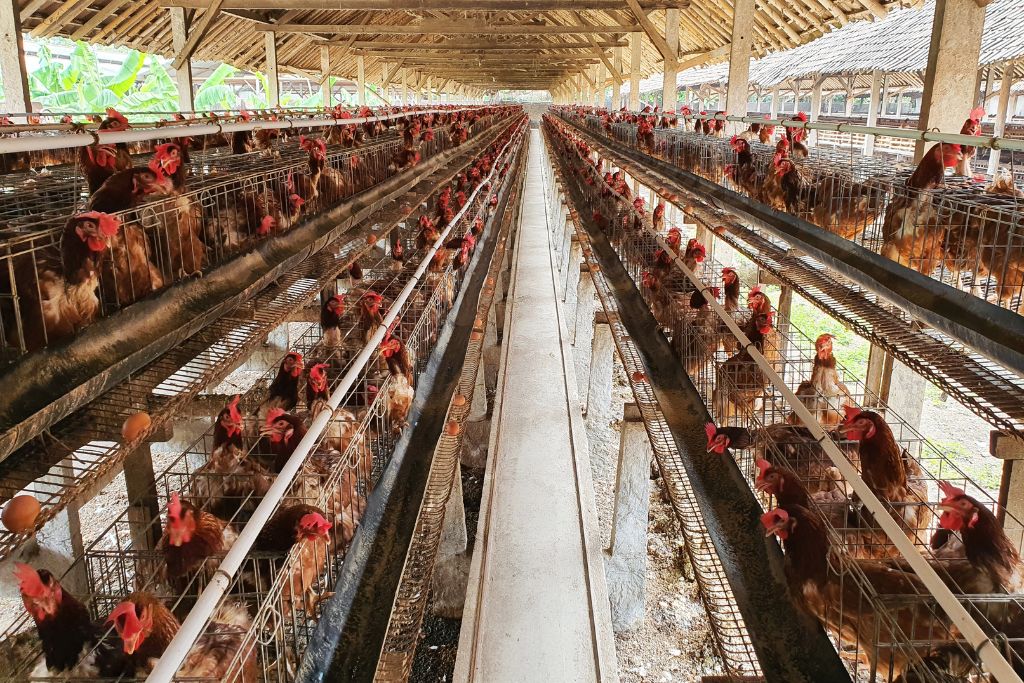
As Europe Roasts, the World’s Largest Meat Producer Ditches Net-Zero
JBS, the world's largest meat producer, has abandoned its net-zero emissions commitment as Europe experiences extreme heat. Critics, including World Animal Protection, condemned the decision, arguing the company's business model harms the planet. JBS has defended itself by claiming its operations are essential to global food supply, a justification advocates reject as the climate crisis intensifies.

For Pregnant Women in Hong Kong, Extreme Heat Is a Silent Threat with No Warning
Matched: climate
Hong Kong's pregnant women face growing health risks from intensifying heatwaves, yet receive little to no guidance from medical authorities about heat-related dangers. As climate change drives more extreme summers across Asia, researchers warn that exposure to high temperatures during pregnancy is linked to complications including preterm birth, but public health systems have been slow to respond.