
Filtered by tag: biodiversity × Clear
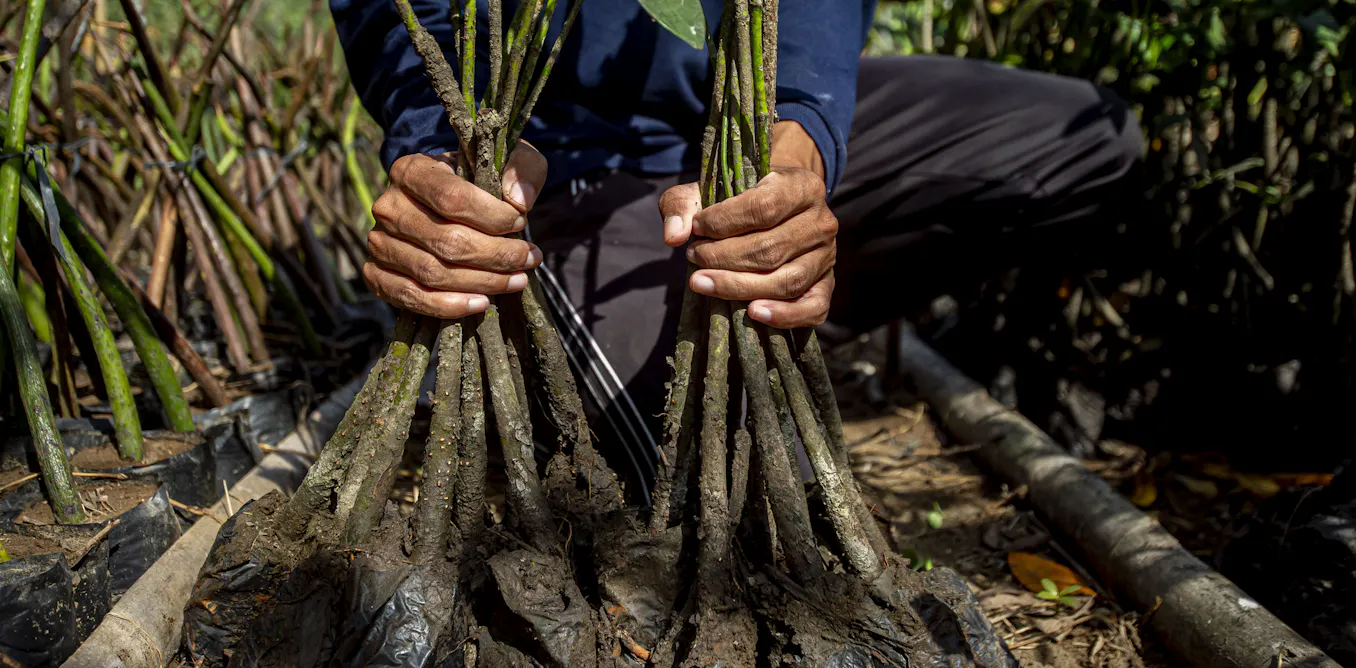
The world’s mangrove forests are bouncing back. That’s good news for our coasts and climate
Matched: climate
Global mangrove forests are recovering after decades of decline, according to a new study. The findings are considered significant because mangrove ecosystems protect coastlines from erosion and storm surges, support marine biodiversity, and store large amounts of carbon. Researchers credited conservation efforts and policy changes in several countries for driving the recovery, though they warned some regions continue to face threats from deforestation and climate change.
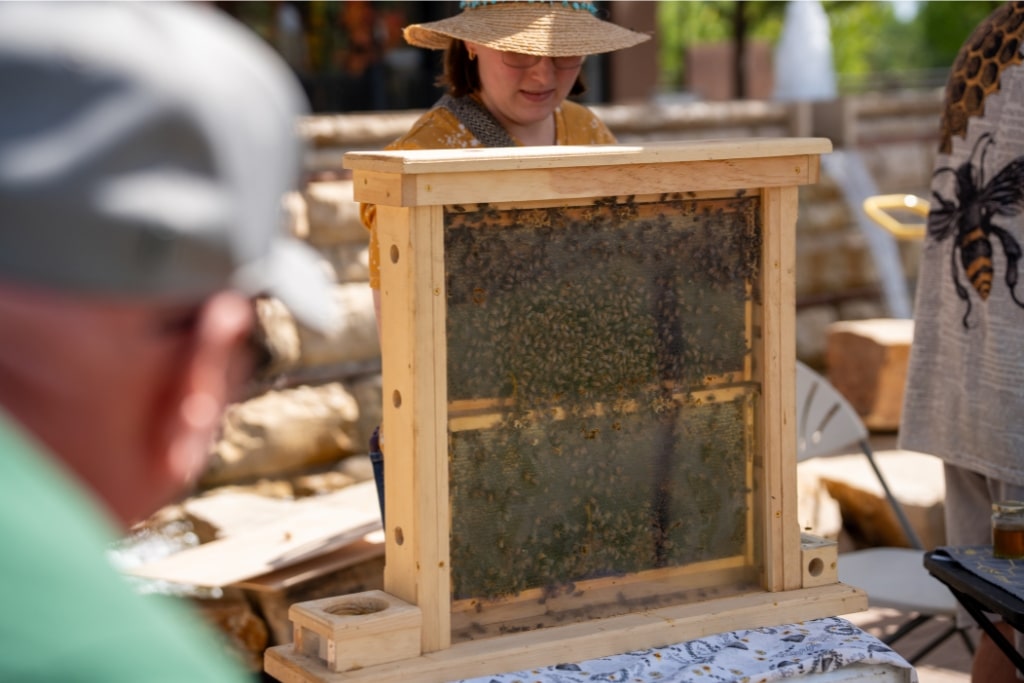
Can Development Reverse Pollinator Decline? Lessons from the World’s First Pollinator District
A community planning model called the Pollinator District framework aims to reverse pollinator decline by embedding habitat creation, native landscaping, sustainable design, research, and public education directly into real estate development. Proponents argue the approach demonstrates that urban growth need not harm bees, butterflies, and other critical species, but can actively support their recovery.
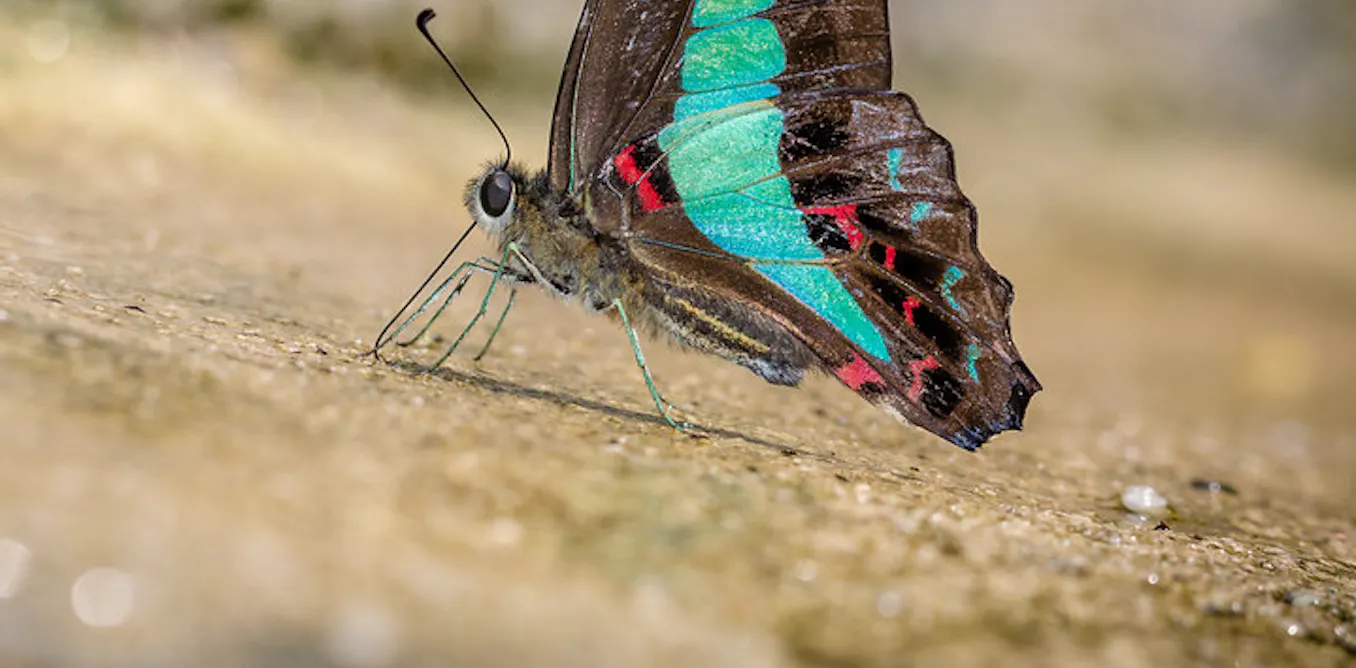
Butterflies are on the move as the planet warms: new research
As climate change shifts habitats, butterflies are moving to new areas. Researchers warn that conservation strategies must adapt accordingly, protecting not just where species currently or historically lived, but also the regions they are migrating toward as temperatures rise. Focusing only on existing or past habitats risks leaving future refuges unprotected.
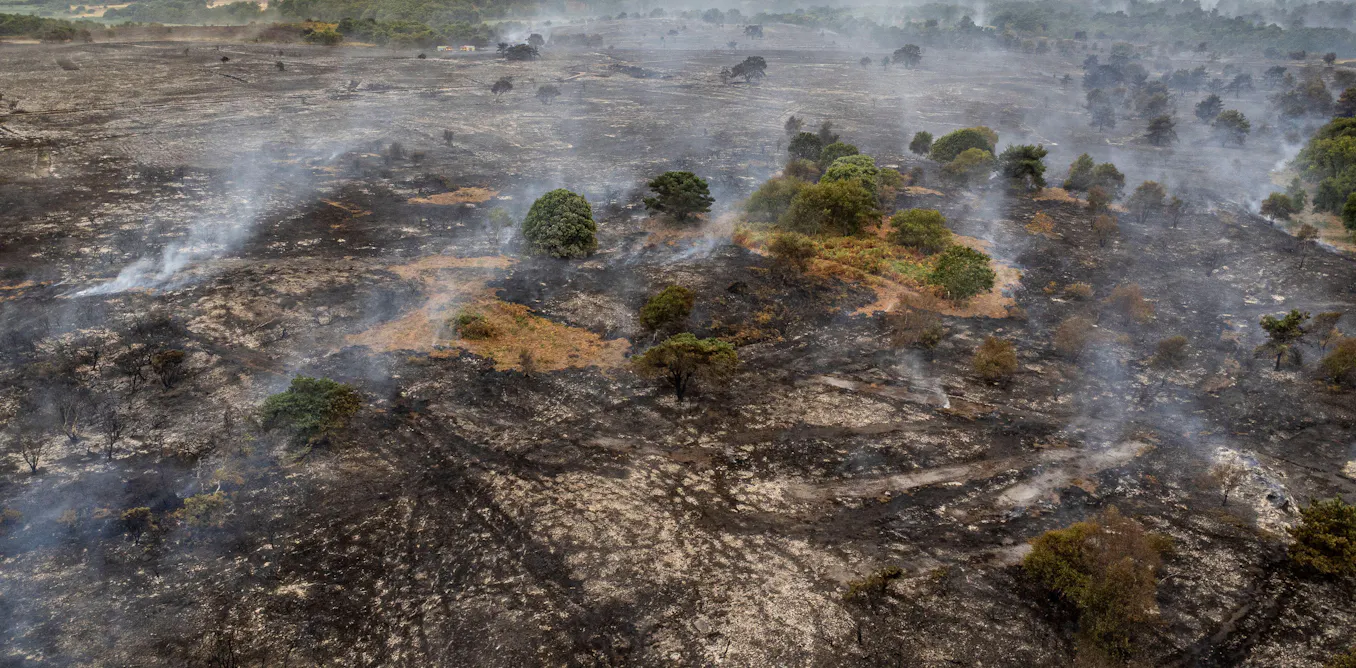
How rewilding could help stop the spread of Britain’s wildfires
Wildfires in Britain are becoming more frequent due to climate change and dry conditions. Rewilding — restoring natural habitats with diverse, moisture-retaining vegetation — could help reduce fire risk. Unlike dry monoculture grasses or dense conifers, rewilded land with mixed plants and restored wetlands creates natural firebreaks and holds more water, making landscapes inherently more resistant to ignition and spread.
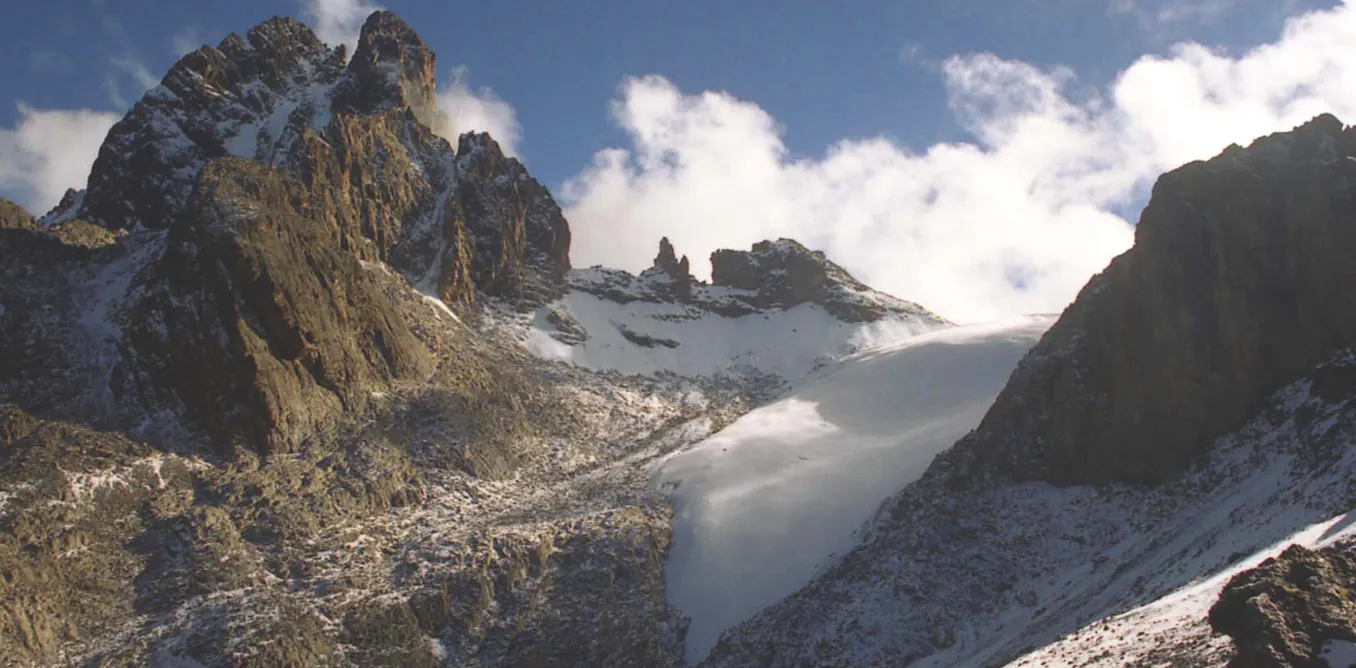
East Africa’s iconic snow peaks will soon disappear for good – what will be lost when they melt
Glaciers on East Africa's iconic peaks — Kilimanjaro, Mount Kenya, and the Rwenzori Mountains — are rapidly disappearing due to warming Indian Ocean temperatures driving reduced snowfall. Scientists warn the ice could vanish within years. Beyond their cultural and symbolic significance, the glaciers feed rivers and water supplies that millions of people depend on, making their loss an ecological and humanitarian concern.
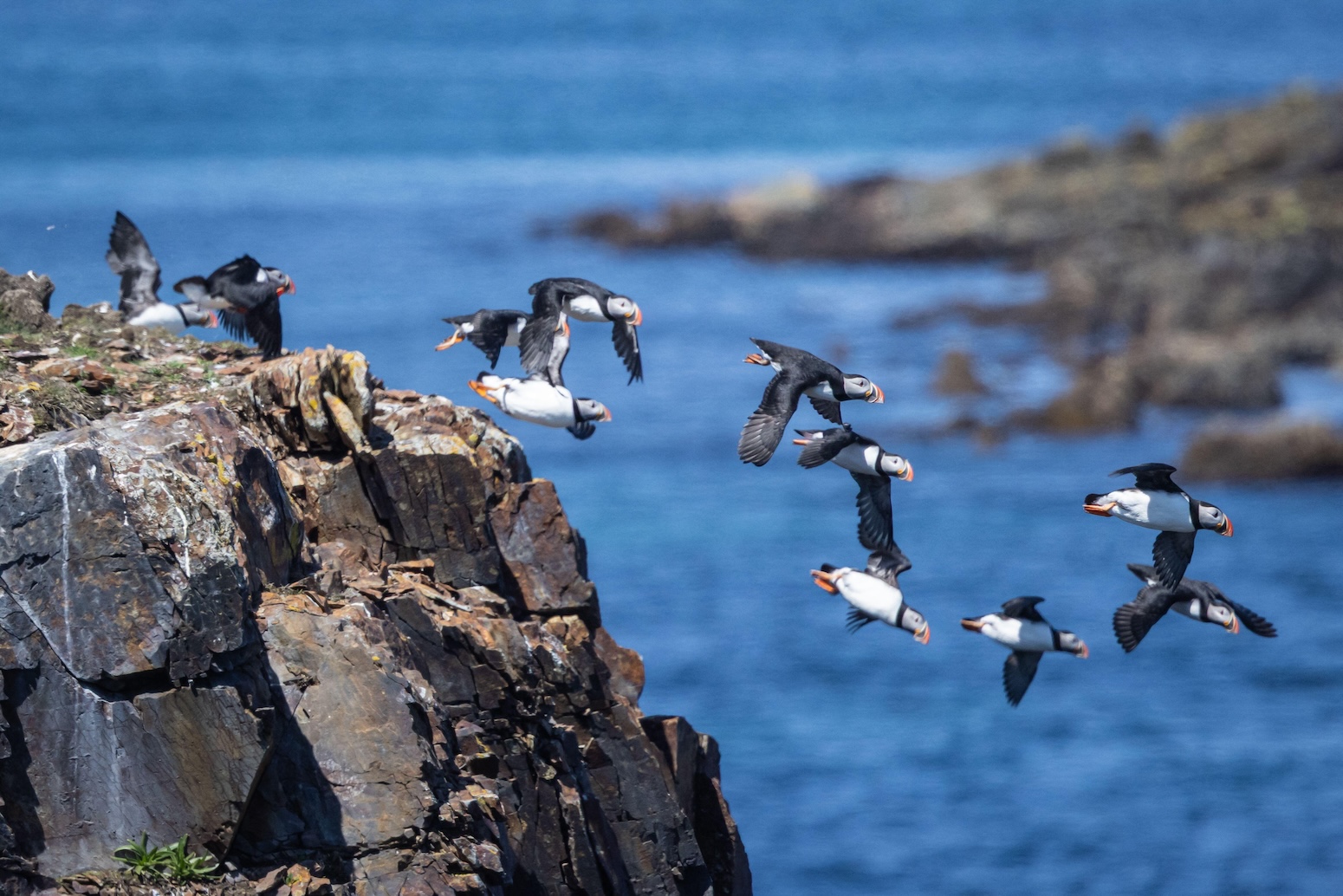
World falling short on 22 of 23 nature targets for 2030, says draft UN report
A draft UN report warns the world is on track to meet just one of 23 global nature targets set for 2030. The goal to halt and reverse biodiversity loss will not be achieved without significantly faster action from governments. The findings come ahead of upcoming UN biodiversity talks and echo similar warnings about insufficient progress on climate commitments.

International Tiger Day: This Is What It Takes to Save the Sumatran Tiger
With the Javan and Balinese tigers already extinct, the Sumatran tiger faces a similar fate, surviving only in fragmented rainforest on one Indonesian island. Conservation efforts focus on protecting remaining habitat, tackling poaching, and reducing human-wildlife conflict. Without urgent intervention, the subspecies — already critically endangered — risks becoming another loss in the region's ongoing biodiversity crisis.
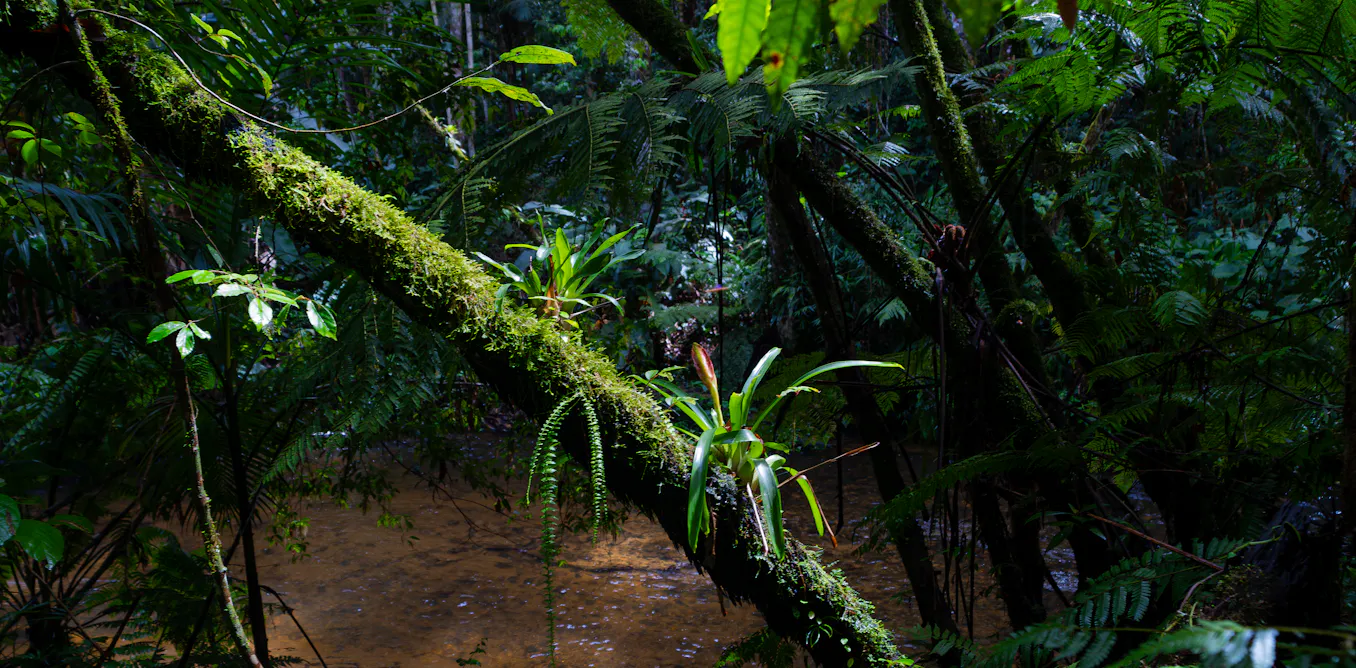
Impact of climate change may be equivalent to 3.3 million years of transformations in tropical vegetation
Matched: climate
A new study warns that climate change could compress 3.3 million years of natural vegetation transformation into just decades. Tropical plant communities, which evolved slowly over millennia, may be forced to shift rapidly, disrupting ecosystems. Researchers say this unprecedented pace leaves little time for adaptation, threatening biodiversity, carbon storage, and the stability of tropical regions globally.

Analysis: 84% of nations miss deadline to identify ‘nature-harming’ subsidies by 2025
Most countries missed a 2025 deadline to identify subsidies harmful to biodiversity, with 84% failing to meet the target. The goal was part of the 2022 Kunming-Montreal Global Biodiversity Framework, which aimed to have nations catalogue nature-harming financial support as a step toward redirecting or eliminating it. The shortfall raises concerns about progress on broader biodiversity commitments.

AI governance debate silent on risks to nature, campaigners warn
Matched: climate
Conservationists are warning that global AI governance discussions are overlooking potential risks to nature. Campaigners say frameworks designed to ensure AI is safe and beneficial are failing to address how the technology could accelerate biodiversity loss and ecosystem exploitation. They are calling for environmental impacts to be formally included in international AI governance efforts.