

War! What is it good for? Absolutely humongous oil company profits | First Dog on the Moon
A First Dog on the Moon cartoon satirising how major oil companies profit from war and global instability. The piece uses dark humour to highlight the relationship between armed conflict and record energy sector earnings, suggesting warfare benefits fossil fuel corporations more than it resolves any human problem.

Murderous heat, an endangered food supply, decimated landscapes: embrace the Mediterranean life | George Monbiot
Matched: climate
George Monbiot critiques what he sees as a shift in climate change denial — from disputing the science to embracing nihilism. He targets Daily Telegraph editor Allister Heath, who argued that since the "war against global warming has been lost," Britain should abandon net zero and accept a warmer climate. Monbiot characterises this stance as celebrating civilisational collapse rather than engaging seriously with climate consequences.
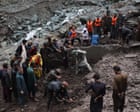
‘I just want to find them’: deadly cloudbursts devastate Kashmir’s mountain communities
Matched: climate
Devastating cloudbursts in Indian-administered Kashmir are destroying homes, crops and livestock as climate change drives increasingly erratic weather. In one village, a predawn flash flood buried homes under mud and boulders within minutes. Communities in remote mountain areas face repeated losses with little warning, and many families are still searching for missing relatives following the deadly July storms.
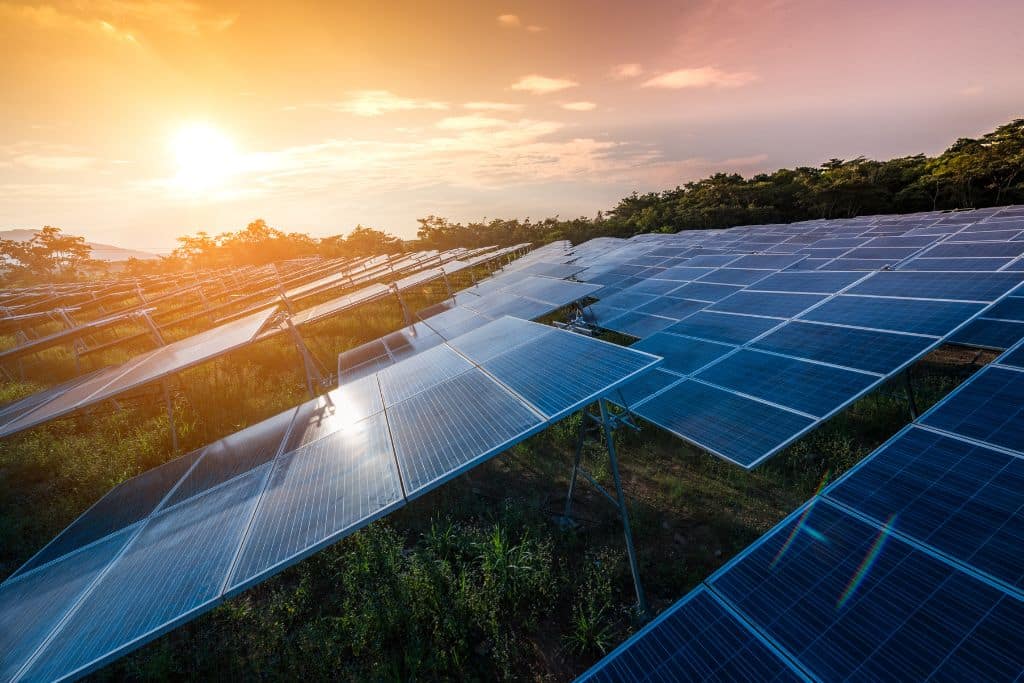
A Battery Made of Air? Hydropneumatic Energy Storage Takes Flight
Hydropneumatic energy storage, which uses compressed air to store energy, is gaining renewed interest thanks to technical advances. The approach offers a potential alternative to conventional batteries for storing renewable energy. Developers say updated designs improve efficiency over older compressed air systems, making the technology more viable for grid-scale applications where long-duration, low-cost energy storage is increasingly needed.

Is FOMO undermining climate diplomacy?
Matched: climate
COP climate summits have grown dramatically in size, with attendance from politicians, business figures and others far outpacing growth in the actual negotiating community. Critics argue this surge of participants, driven partly by fear of missing out on a high-profile global event, is hampering rather than helping the diplomatic work needed to reach meaningful climate agreements.
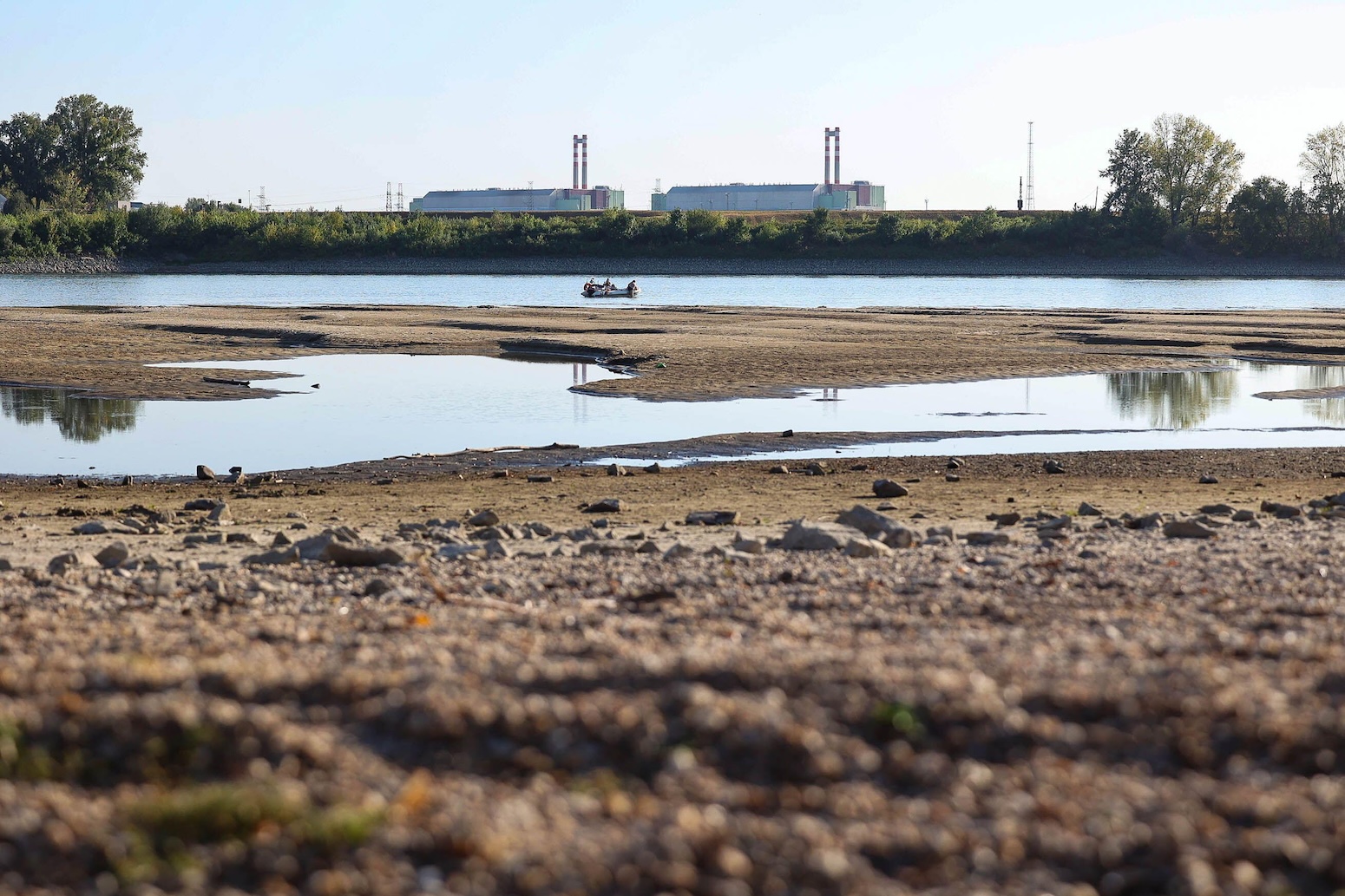
Factcheck: How nuclear, gas, wind and solar power are affected during heatwaves
Matched: climate
Extreme heat affects all major power sources. Nuclear and gas plants need cool water for operations and may reduce output or shut down when water temperatures rise. Solar panels become less efficient in high heat. Wind power can drop if heatwaves bring calm conditions. Meanwhile, electricity demand spikes as people use air conditioning, straining grids precisely when generation capacity may be reduced.
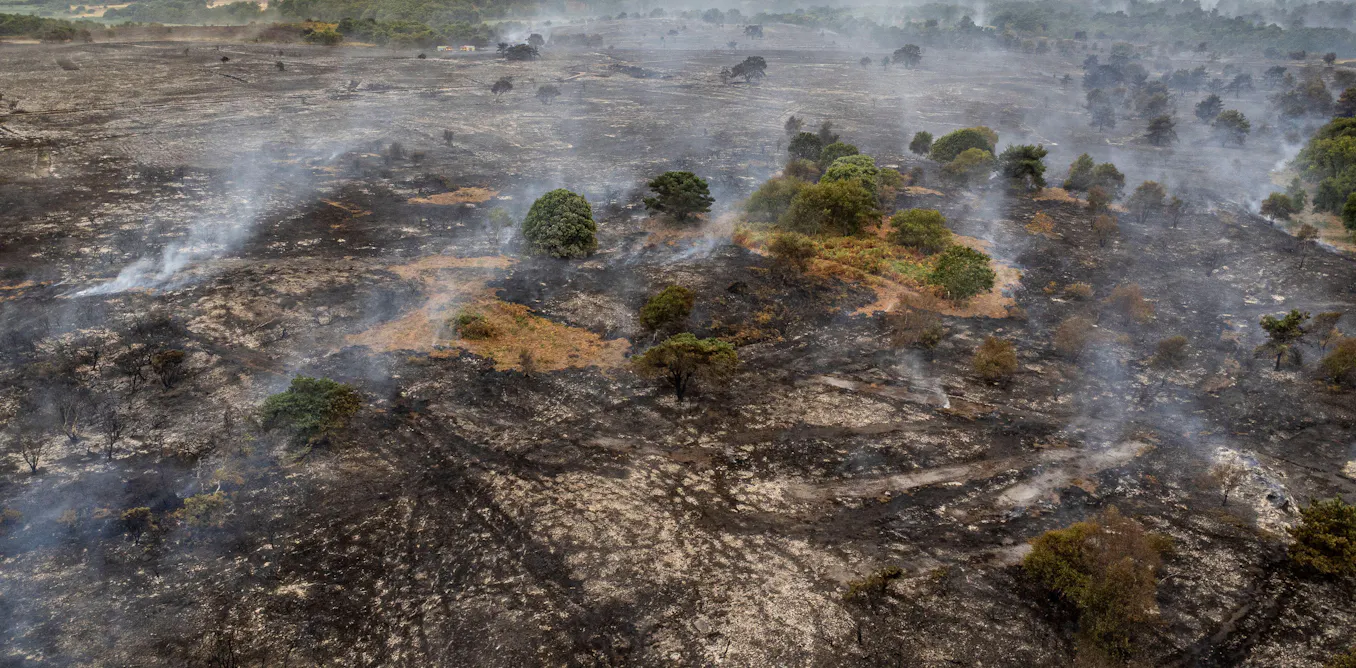
How rewilding could help stop the spread of Britain’s wildfires
Wildfires in Britain are becoming more frequent due to climate change and dry conditions. Rewilding — restoring natural habitats with diverse, moisture-retaining vegetation — could help reduce fire risk. Unlike dry monoculture grasses or dense conifers, rewilded land with mixed plants and restored wetlands creates natural firebreaks and holds more water, making landscapes inherently more resistant to ignition and spread.
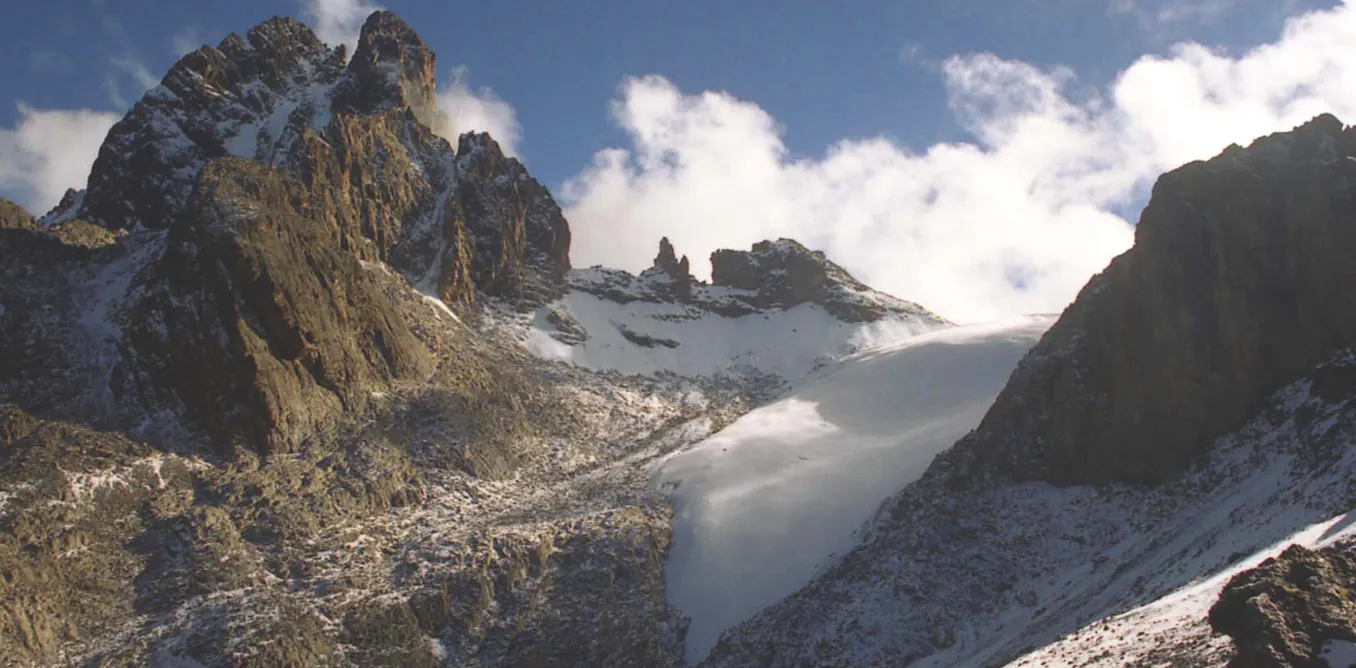
East Africa’s iconic snow peaks will soon disappear for good – what will be lost when they melt
Glaciers on East Africa's iconic peaks — Kilimanjaro, Mount Kenya, and the Rwenzori Mountains — are rapidly disappearing due to warming Indian Ocean temperatures driving reduced snowfall. Scientists warn the ice could vanish within years. Beyond their cultural and symbolic significance, the glaciers feed rivers and water supplies that millions of people depend on, making their loss an ecological and humanitarian concern.

Governments weigh response to US going alone on deep-sea mining
Matched: climate
The International Seabed Authority has begun legal proceedings against the US over its unilateral push to permit deep-sea mining, as governments gathered for annual talks in Kingston. The move follows the Trump administration's efforts to fast-track seabed mining independently of the UN-backed body, which regulates mineral extraction in international waters under the Law of the Sea treaty.

Multiple threats endanger the world’s rarest great ape, a new study on the Tapanuli orangutan reveals
Matched: climate
The Tapanuli orangutan, the world's rarest great ape, faces mounting threats from multiple simultaneous pressures, including extractive industries, logging, agricultural expansion, and climate-related disasters, according to a new study. Fewer than 800 individuals remain, and researchers warn that the combination of these overlapping threats makes conservation efforts increasingly urgent and complex.
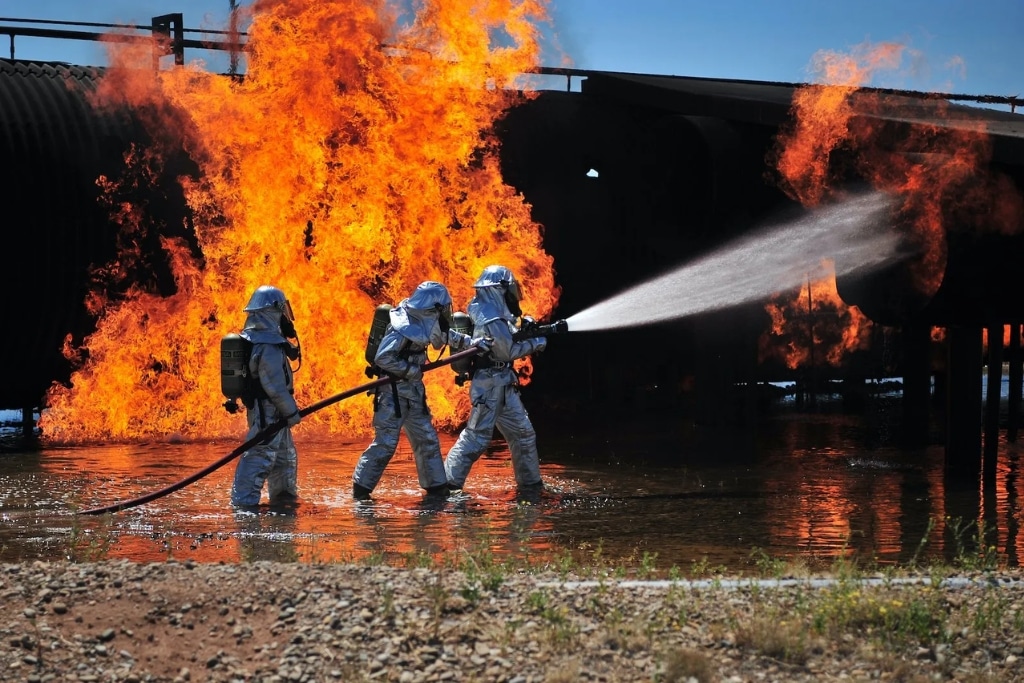
Decades of Using PFAS-Based Firefighting Foam Left Behind a Toxic Legacy
Military bases and airports across the US used PFAS-containing firefighting foam for decades, contaminating soil and groundwater and exposing nearby communities and service members to cancer-linked "forever chemicals." These persistent substances don't break down naturally. Cleanup efforts are now underway but remain costly and complex, with affected communities continuing to fight for remediation and accountability from the government and manufacturers responsible.
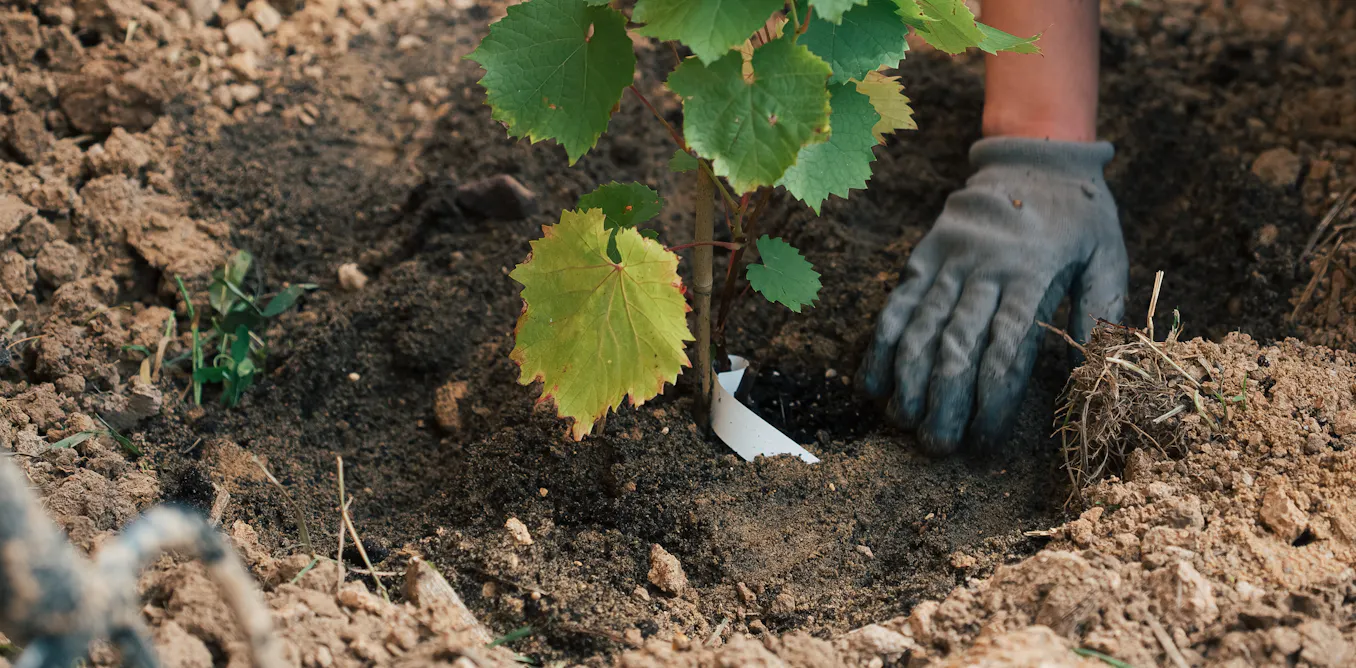
Climate-related ‘silent adaptation’ coping strategies are going beyond official directives
Matched: climate
Grassroots communities are increasingly developing informal, self-directed responses to climate impacts that fall outside official policy frameworks. These "silent adaptation" strategies emerge spontaneously at local level, often filling gaps left by top-down directives. Despite their practical effectiveness, such improvised approaches remain largely unrecognised and unsupported by policymakers, limiting their potential broader impact.
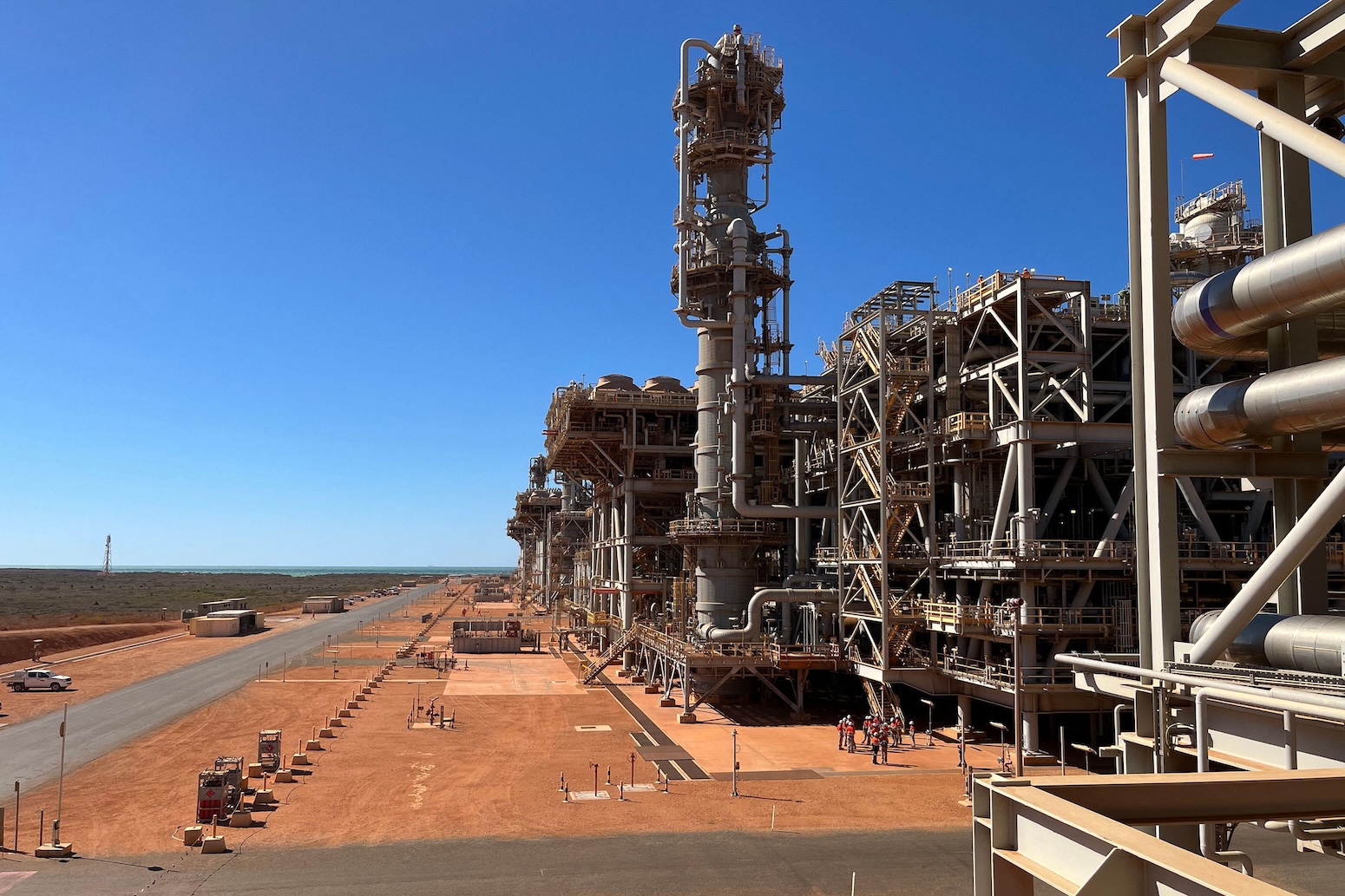
Q&A: Does the world need ‘carbon capture and storage’ to reach net-zero?
Carbon capture and storage (CCS) involves capturing CO2 from industrial sources or the atmosphere and storing it permanently, usually underground. Most climate models suggest CCS will be needed to reach net-zero, particularly for hard-to-decarbonise industries like steel and cement. However, CCS remains expensive, energy-intensive, and unproven at large scale, leading some experts to question whether investment would be better spent on renewable energy alternatives.

Egypt seeks to unlock renewable potential to power regional clean energy hub
Matched: climate
Egypt is working to become a regional clean energy hub by developing its renewable energy capacity, particularly solar and wind. Europe is investing in the effort, seeing Egypt as a potential source of clean electricity imports. The initiative aims to help Egypt reduce its own emissions while creating a new revenue stream, leveraging the country's significant untapped renewable resources.

‘We cannot magic up more water’: the supply problems putting housing targets in England at risk
Council leaders in England warn that water scarcity and crumbling infrastructure are threatening the government's housebuilding targets, particularly in the east and south-east. With half the country declared in serious drought for a second consecutive year, the Environment Agency warns of serious economic and environmental consequences, and local leaders say new homes cannot be built without adequate water supply.

UN chief warns climate crisis “in overdrive” as El Niño threatens to fuel the fire
Matched: climate
UN Secretary-General António Guterres has warned the climate crisis is "in overdrive," with El Niño expected to worsen conditions. Politicians and scientists linked recent deadly wildfires to climate change, calling for stronger emissions reductions and adaptation measures. Guterres urged world leaders to take more ambitious action to address accelerating climate impacts.

‘Was this heatwave caused by climate change?’ – we’re asking the wrong question
Matched: climate
Scientists say framing extreme weather events as simply "caused or not caused" by climate change is misleading. A better question is how much worse climate change made an event. Research shows heatwaves are now hotter and more frequent due to fossil fuel emissions. Attribution science can quantify this difference, giving a clearer picture of climate change's real-world impact on extreme weather.

Falls in whale sightings, rare seabirds appearing – is something unusual happening in the Southern Ocean?
Unusual wildlife patterns are emerging around the Southern Ocean, including fewer whale sightings and rare seabirds appearing in unexpected locations. Scientists suspect marine heatwaves may be disrupting migration and feeding patterns, but the region remains poorly monitored. Researchers say better long-term data collection is urgently needed to determine whether these changes reflect a significant ecological shift.
Correcting climate ‘misperceptions’ may not boost climate action
Matched: climate
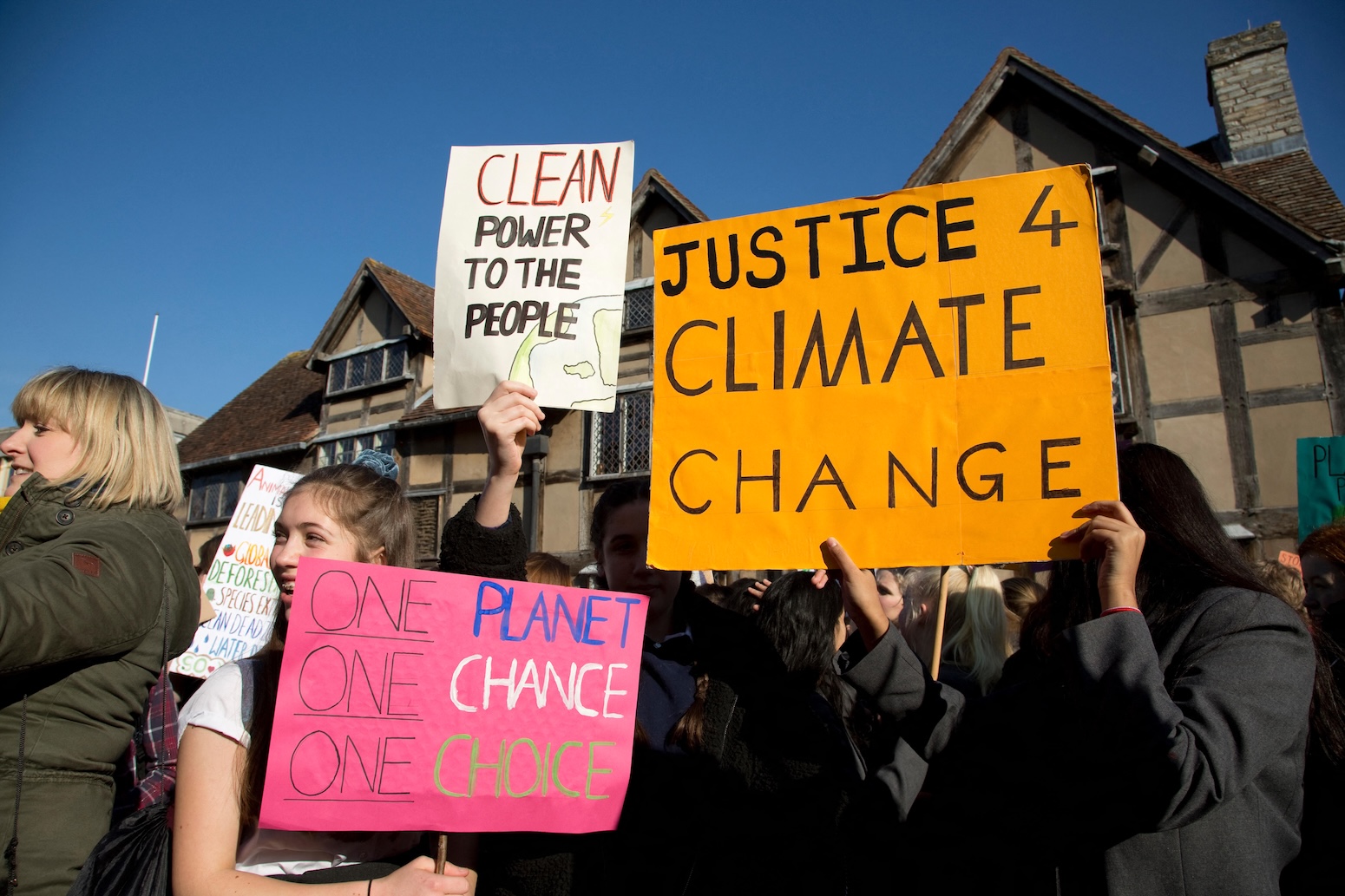
Studies suggest people underestimate how much others support climate action, while overestimating actual behaviours like reducing flying. Researchers hoped correcting these misperceptions would motivate greater action. However, new evidence indicates such corrections have little effect on people's own intentions or behaviours, suggesting that addressing false beliefs about social norms may not be an effective tool for driving climate action.
Factcheck: No, Europe is not having its ‘quietest’ year for wildfires
Matched: climate
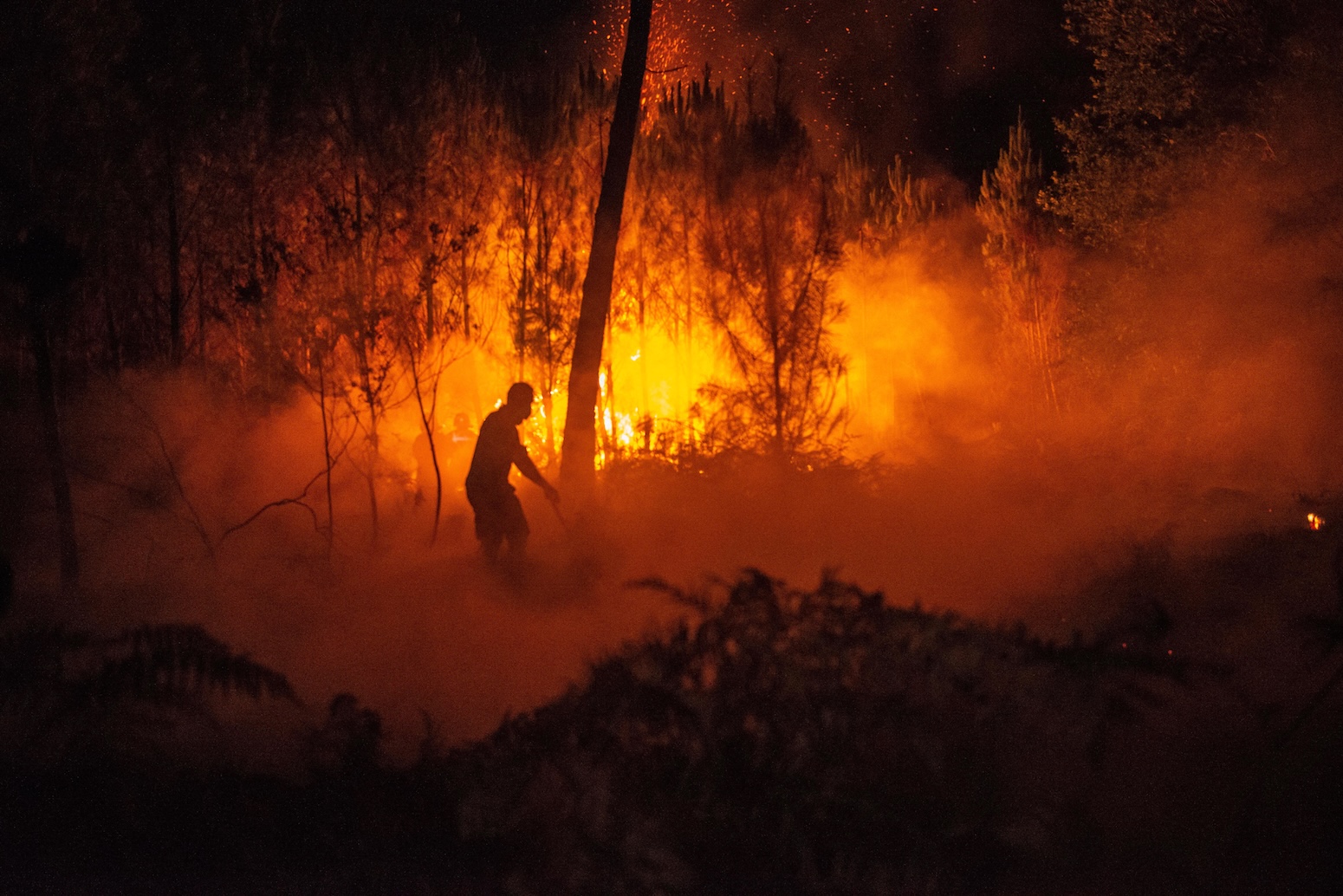
Claims circulating on social media suggest Europe is experiencing its quietest wildfire year on record. However, this is misleading. The charts being shared show data only through mid-year, missing peak fire season. Full-year European wildfire data shows 2023 was among the worst on record, with over 500,000 hectares burned. Scientists say cherry-picked timeframes are being used to misrepresent the overall trend.

Hormuz crisis speeds up transition to electric cars, IEA data shows
Matched: climate
Rising oil prices driven by the Hormuz crisis accelerated electric vehicle adoption between April and June, according to IEA data. As conflict involving Iran pushed fuel costs higher, more drivers opted for electric cars over internal combustion engine vehicles, suggesting geopolitical instability may be hastening the broader energy transition away from oil dependency.

Humanity Has Already Used Up Nature’s Entire Annual Budget of Ecological Resources and Services
Earth Overshoot Day fell on July 30 this year, marking the point at which humanity has consumed all the ecological resources and services Earth can regenerate in a full year. For the remaining months of 2023, human demand exceeds what the planet can sustainably provide, including clean water, air, and food.
Flash droughts pull ‘alarming’ amounts of moisture from the landscape and intensify wildfires: new research
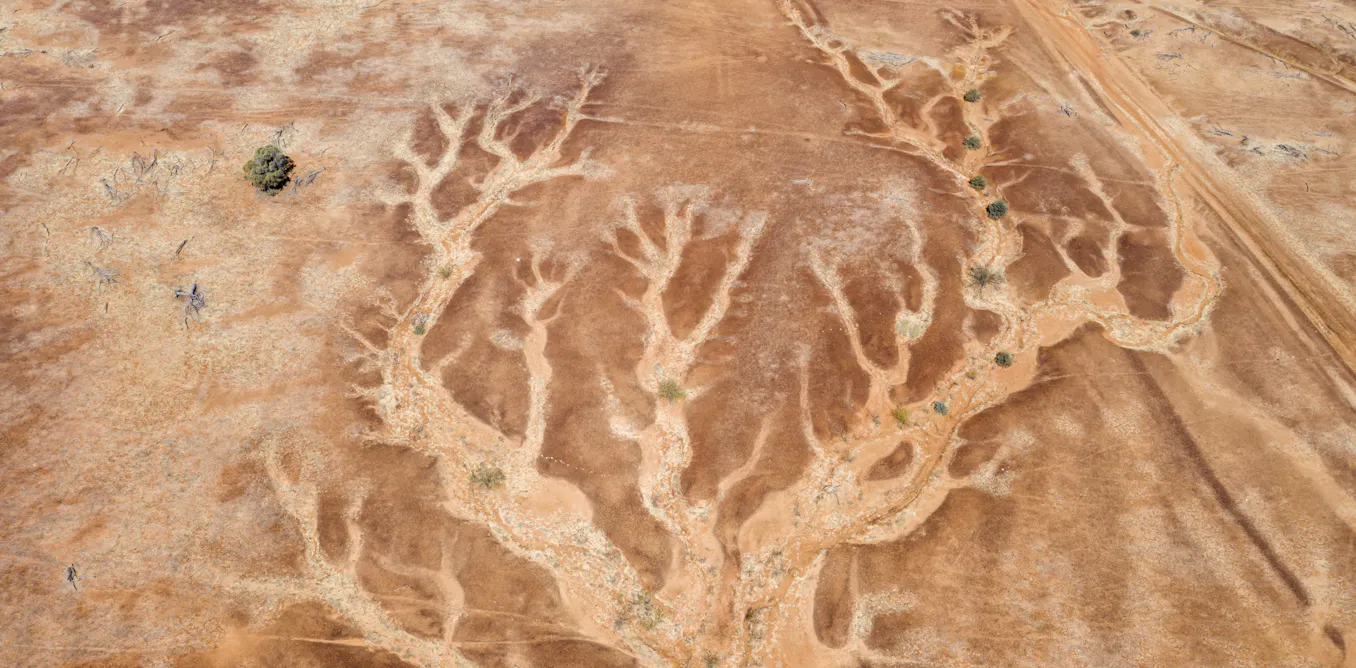
Scientists warn that "flash droughts" — rapidly intensifying dry spells — extract alarming amounts of moisture from soil and vegetation far faster than conventional droughts. This accelerates wildfire risk by quickly drying out landscapes. Researchers say drought should be understood as a dynamic, fast-changing process rather than a static condition, with rapid shifts posing serious fire management challenges.

“Do we have the appetite?” – Shell’s fear of Niger Delta clean-up costs revealed
Matched: climate
Shell's internal documents reveal the company worried about the financial burden of cleaning up oil spills in Nigeria's Niger Delta before selling off its onshore assets. The files show executives questioned whether the company had the willingness to bear remediation costs. Critics say the asset sales allowed Shell to escape liability for decades of pollution affecting local communities and the environment.
World falling short on 22 of 23 nature targets for 2030, says draft UN report
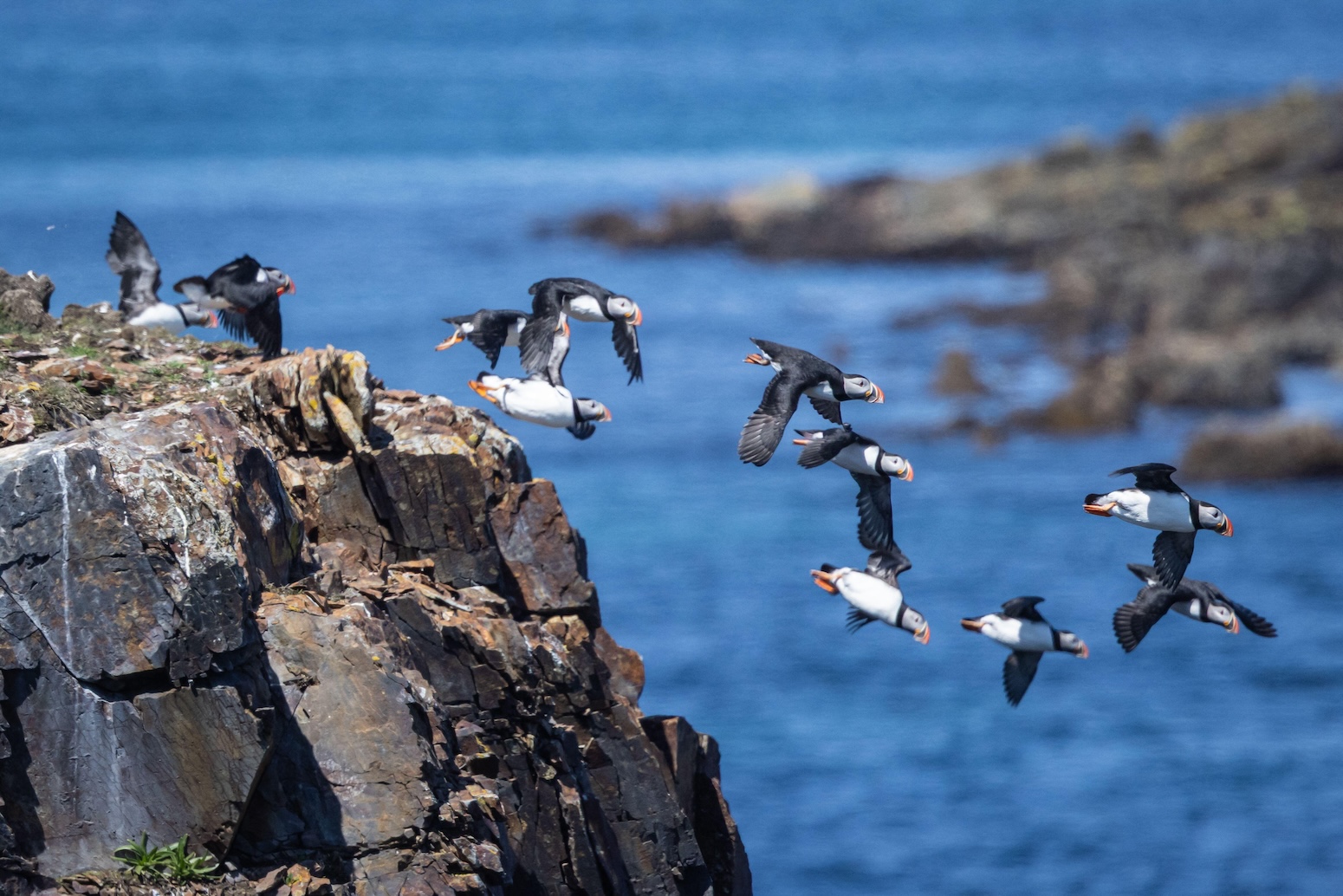
A draft UN report warns the world is on track to meet just one of 23 global nature targets set for 2030. The goal to halt and reverse biodiversity loss will not be achieved without significantly faster action from governments. The findings come ahead of upcoming UN biodiversity talks and echo similar warnings about insufficient progress on climate commitments.