

“Do we have the appetite?” – Shell’s fear of Niger Delta clean-up costs revealed
Matched: climate
Shell's internal documents reveal the company worried about the financial burden of cleaning up oil spills in Nigeria's Niger Delta before selling off its onshore assets. The files show executives questioned whether the company had the willingness to bear remediation costs. Critics say the asset sales allowed Shell to escape liability for decades of pollution affecting local communities and the environment.
World falling short on 22 of 23 nature targets for 2030, says draft UN report
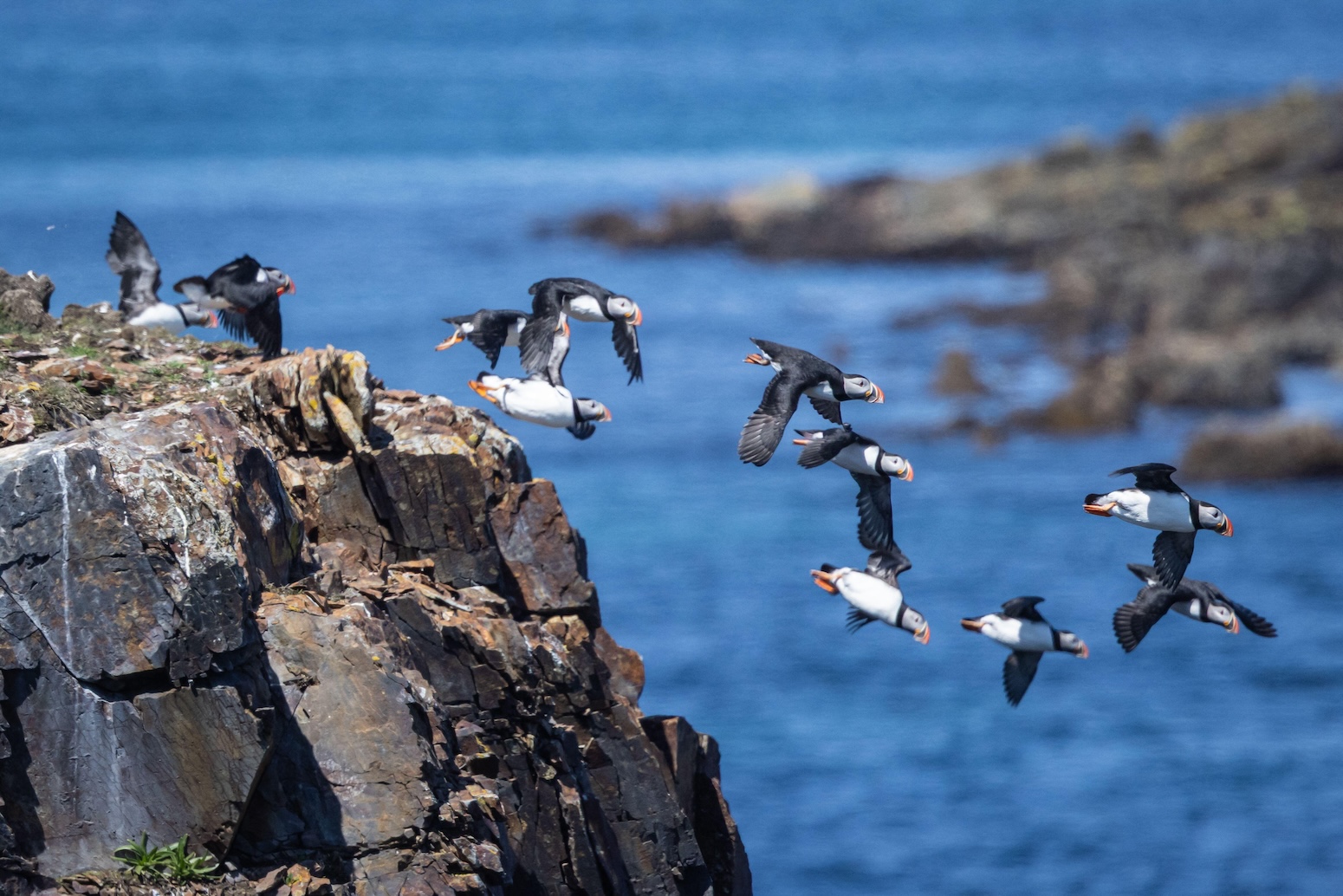
A draft UN report warns the world is on track to meet just one of 23 global nature targets set for 2030. The goal to halt and reverse biodiversity loss will not be achieved without significantly faster action from governments. The findings come ahead of upcoming UN biodiversity talks and echo similar warnings about insufficient progress on climate commitments.

Climate change is driving a ‘shift’ in childhood malaria risk across Africa
Matched: climate
Climate change is redistributing malaria risk among children across sub-Saharan Africa, creating new high-risk zones while altering existing ones. Rising temperatures are expanding suitable conditions for malaria transmission into previously unaffected areas, while potentially reducing risk elsewhere. The shift poses challenges for public health planning, as populations in newly affected regions may lack immunity and infrastructure to respond.
Q&A: What does China’s 15th ‘five-year plan’ for renewables mean for climate change?
Matched: climate
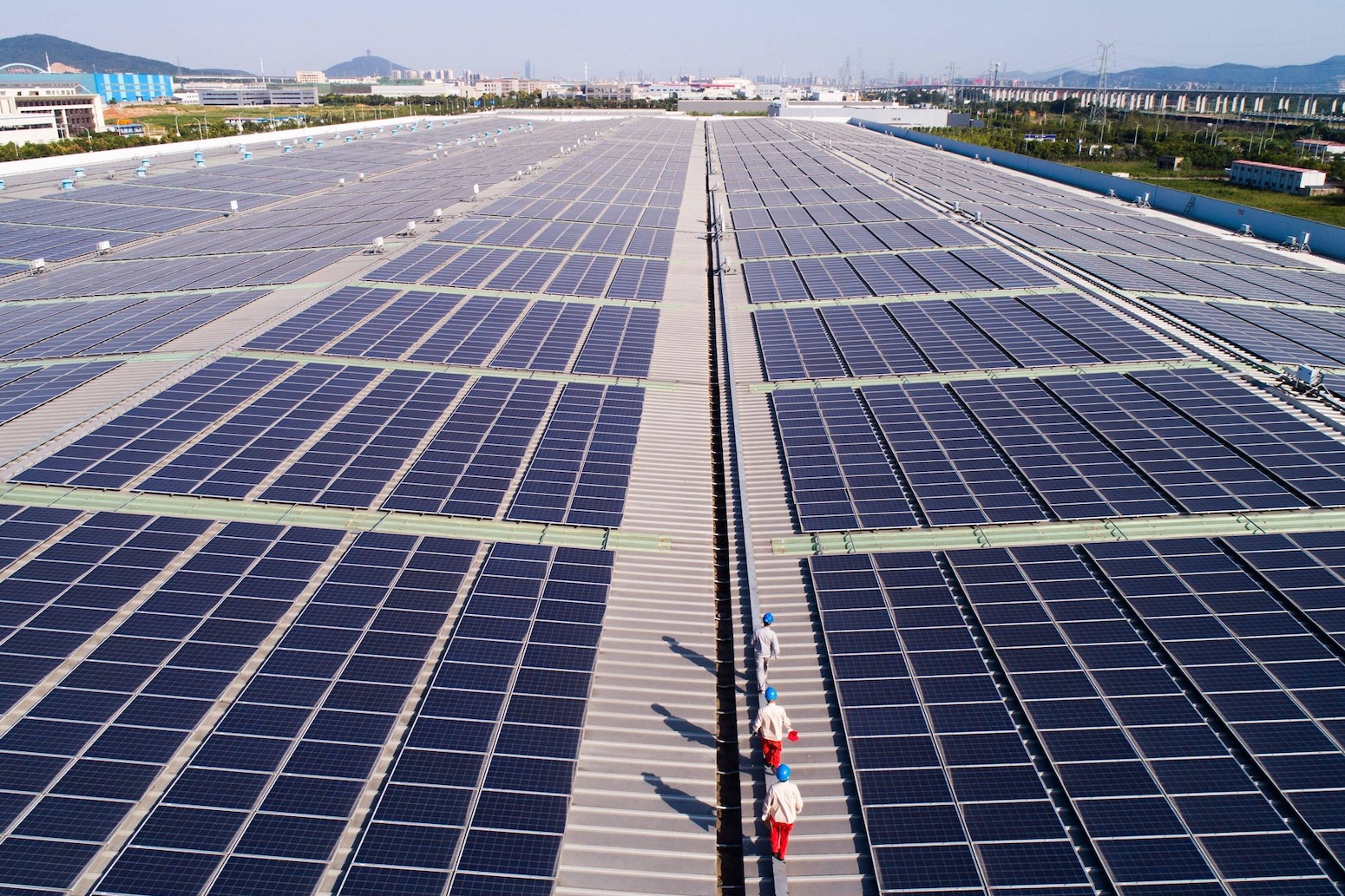
China's 15th five-year renewable energy plan sets targets and policies for expanding clean power through 2030. It aims to accelerate solar, wind, and other renewable deployment, reinforcing China's role as the world's largest clean energy market. Analysts say the plan could significantly cut emissions and influence global climate goals, though implementation and grid integration challenges remain key concerns for whether targets translate into real-world impact.

UN bid to keep 1.5C alive exposes deepening divisions over fossil fuels
Matched: climate
Negotiations over a UN initiative to keep global warming within 1.5C have highlighted stark divisions between nations. Vulnerable island states and poorer countries are pushing for the effort to accelerate fossil fuel phase-out, while Arab oil-producing states are resisting, calling instead for continued investment in oil and gas. No consensus has emerged on the role of fossil fuels in climate action.

Gironde wildfires: what the logistical challenges behind the mass evacuations tell us
Wildfires in France's Gironde region have highlighted the logistical complexity of large-scale emergency response. Authorities face a dual challenge: deploying firefighting resources while simultaneously evacuating tens of thousands of residents. Coordination between multiple agencies, housing displaced people, and managing supply chains for crews are critical factors that can determine how effectively such disasters are handled.
‘The fire has such power’: why the wildfires gripping France and Spain are off the charts
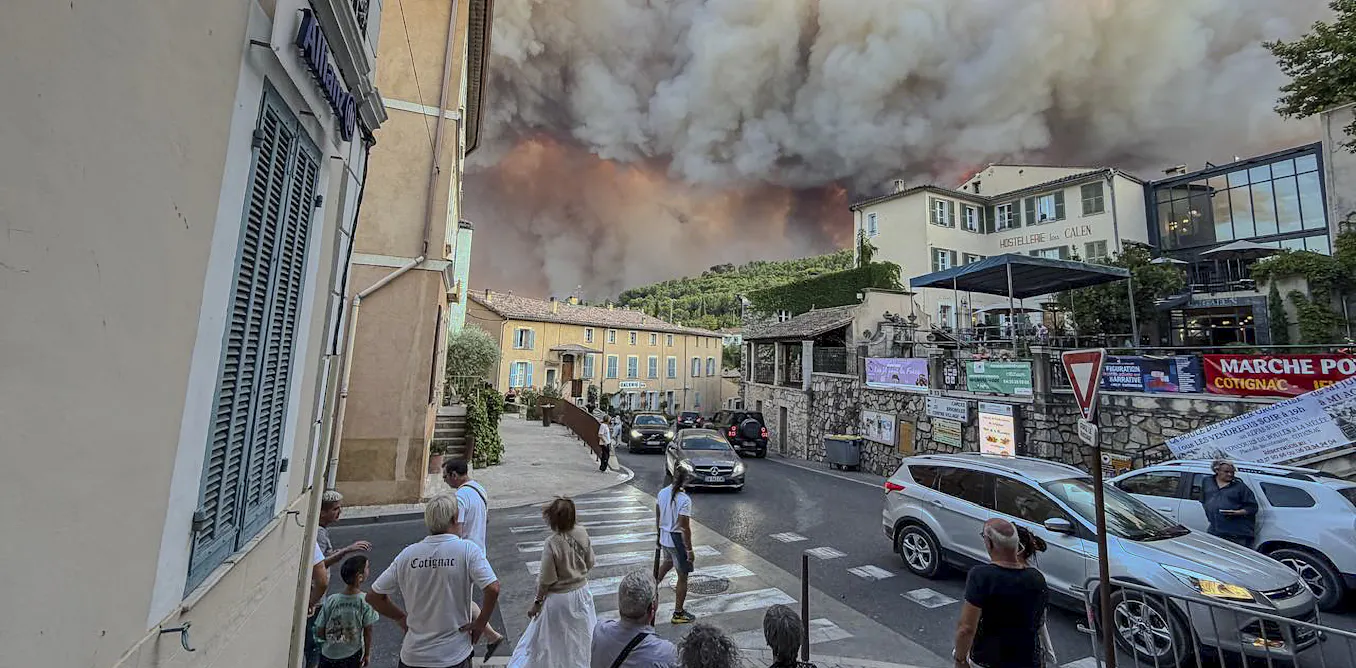
Wildfires in France and Spain are becoming increasingly difficult to control due to hotter, drier conditions linked to climate change. Fires are burning more intensely and spreading faster, overwhelming firefighters. Experts warn that traditional suppression methods are less effective against these "mega-fires," which generate their own weather systems, making them nearly impossible to extinguish until conditions change.

International Tiger Day: This Is What It Takes to Save the Sumatran Tiger
With the Javan and Balinese tigers already extinct, the Sumatran tiger faces a similar fate, surviving only in fragmented rainforest on one Indonesian island. Conservation efforts focus on protecting remaining habitat, tackling poaching, and reducing human-wildlife conflict. Without urgent intervention, the subspecies — already critically endangered — risks becoming another loss in the region's ongoing biodiversity crisis.
Donald Trump blames Canada for wildfire smoke — but global warming is loading the wildfire dice
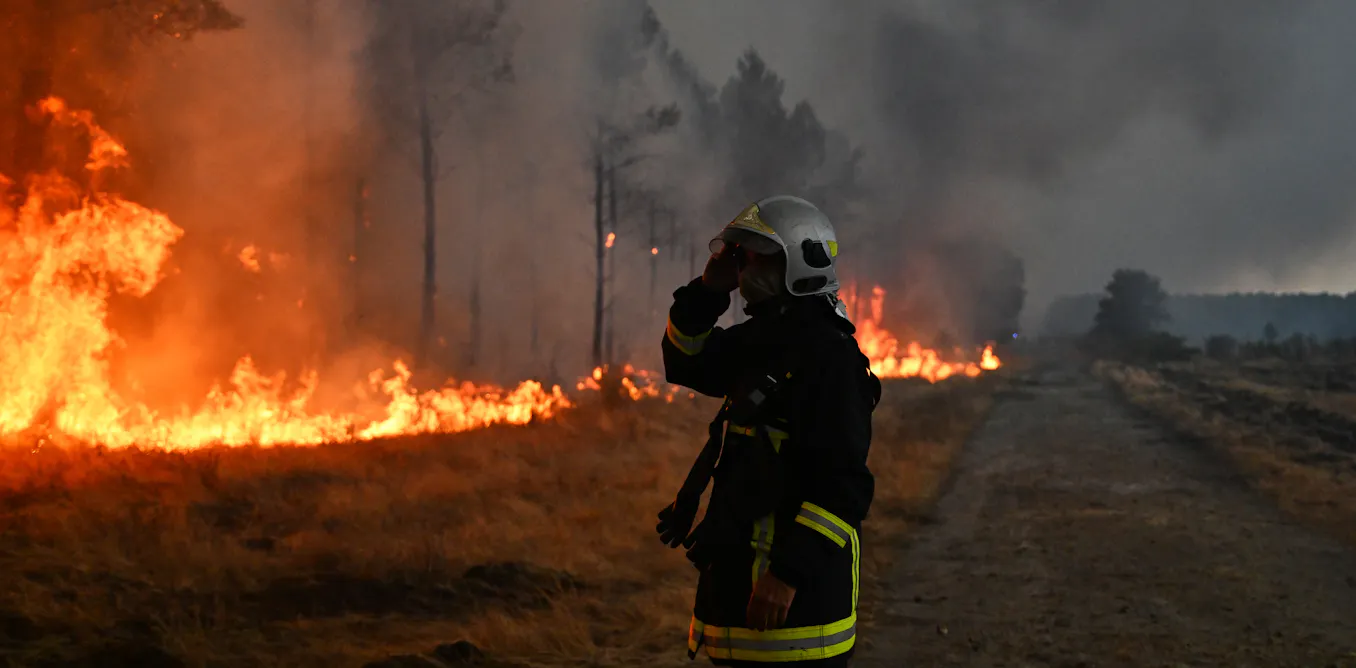
Trump blamed Canada for wildfire smoke affecting the US, but scientists say climate change is the primary driver of worsening wildfires. While forest management plays a role, rising temperatures and drought conditions driven by global warming are making fires more frequent and severe across North America, regardless of which side of the border they ignite.
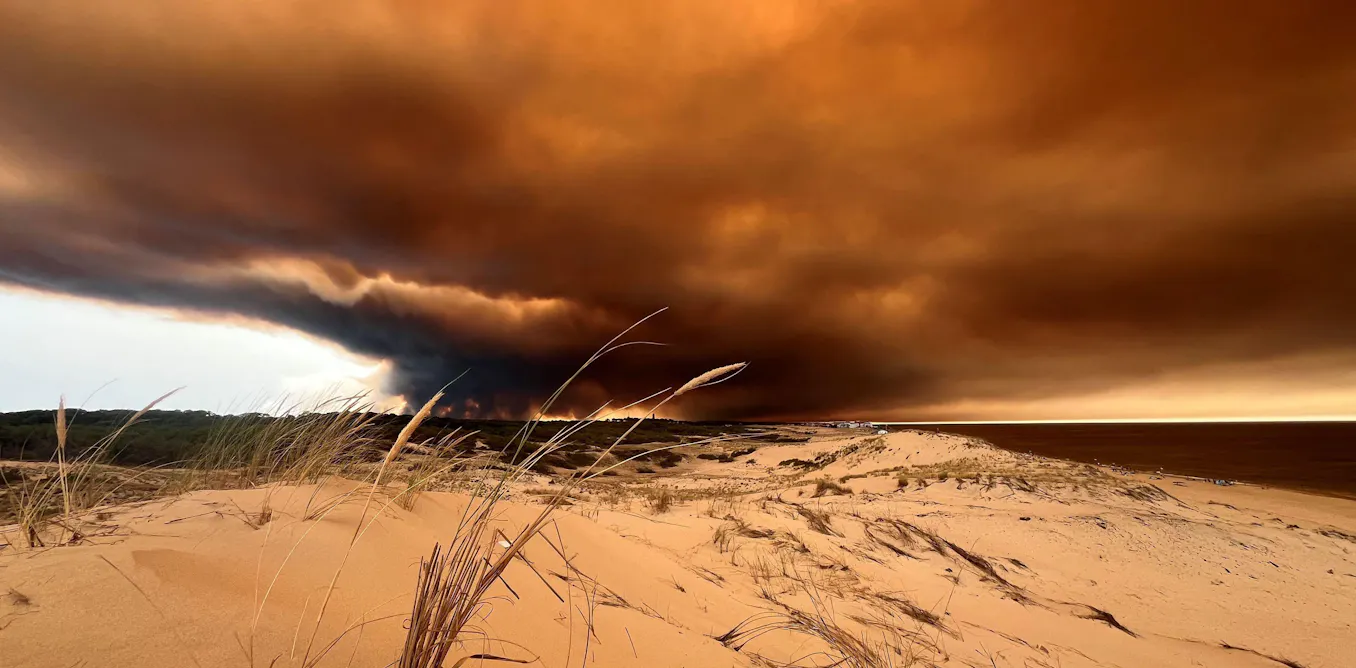
Wildfires: why media coverage doesn’t always make the climate connection
Matched: climate
Wildfires have multiple overlapping causes — weather, land use, and long-term climate change — making media framing difficult. Journalists often focus on immediate, local factors like dry conditions or human ignition rather than linking fires to broader climate trends. Editors, deadlines, and audience expectations all shape what gets emphasized, meaning the climate connection is frequently underplayed or omitted entirely.
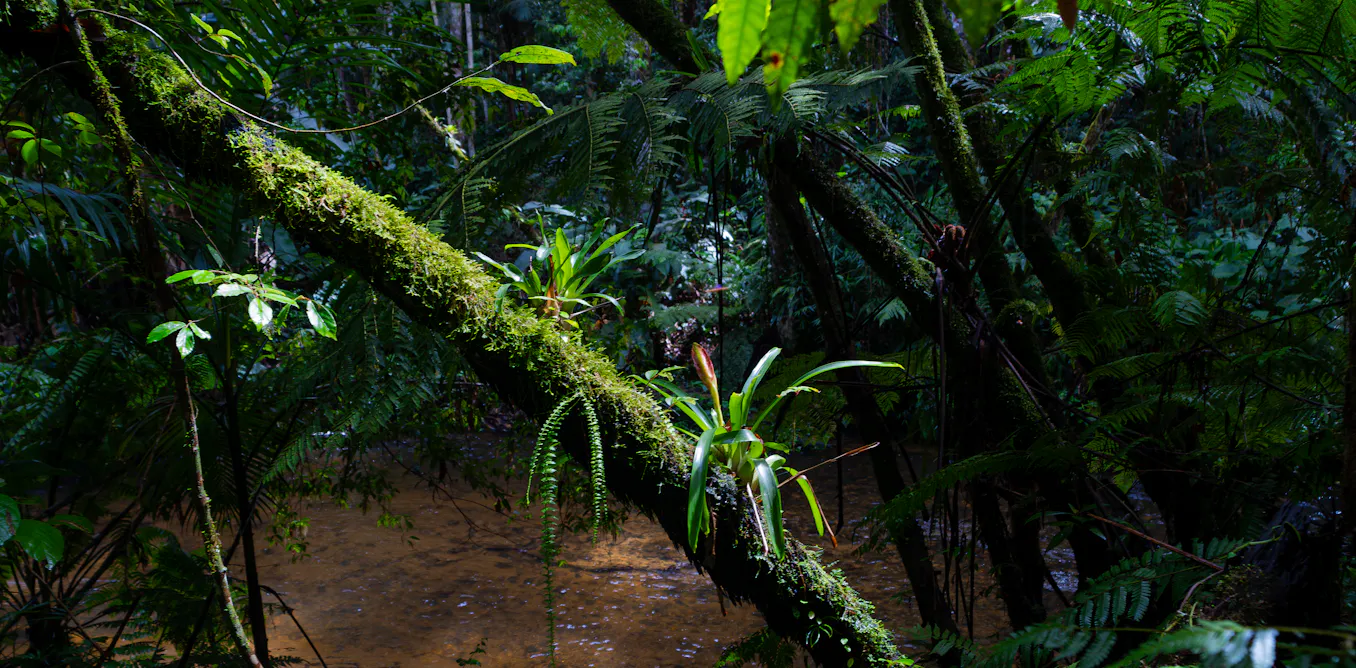
Impact of climate change may be equivalent to 3.3 million years of transformations in tropical vegetation
Matched: climate
A new study warns that climate change could compress 3.3 million years of natural vegetation transformation into just decades. Tropical plant communities, which evolved slowly over millennia, may be forced to shift rapidly, disrupting ecosystems. Researchers say this unprecedented pace leaves little time for adaptation, threatening biodiversity, carbon storage, and the stability of tropical regions globally.
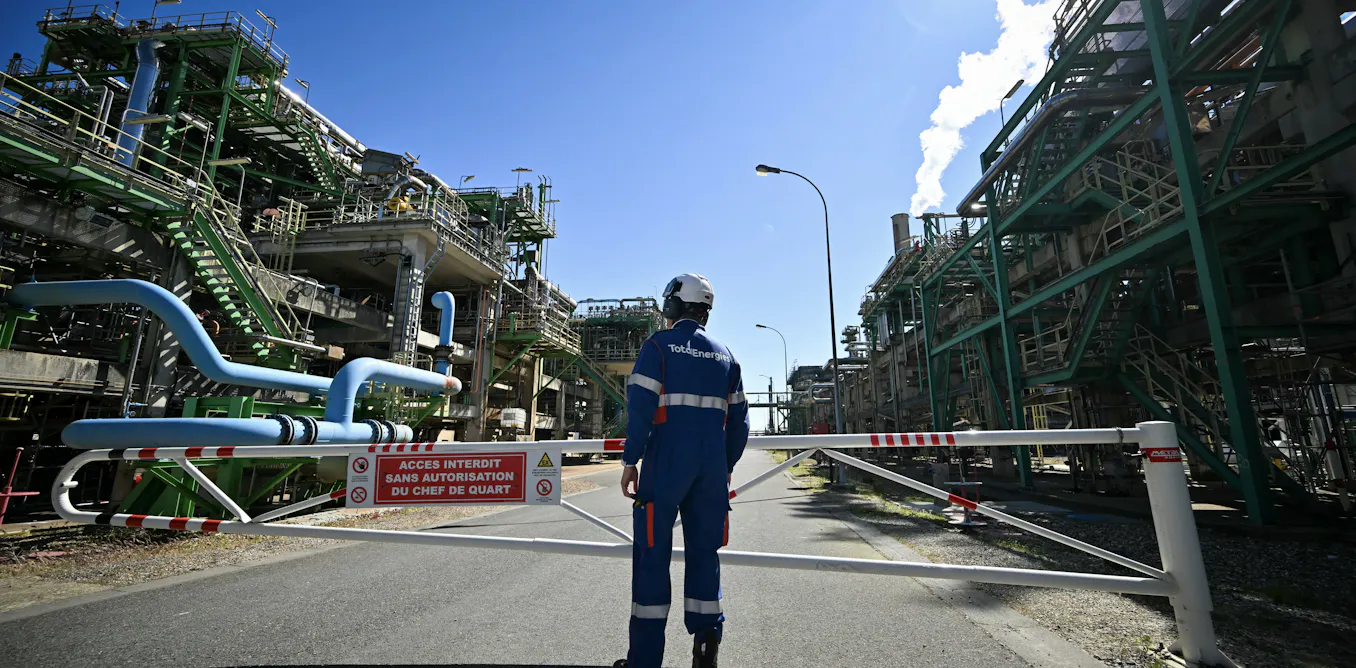
French climate lawsuit offers a window into the next round of the global legal fight
Matched: climate
A French court ruled that TotalEnergies can be sued for climate damages, expanding legal options for holding oil companies accountable. The decision is significant because it allows cases to proceed on broader grounds than before. Legal experts say the ruling could influence similar corporate climate accountability efforts in the United States and other countries, marking a potential turning point in global climate litigation strategy.
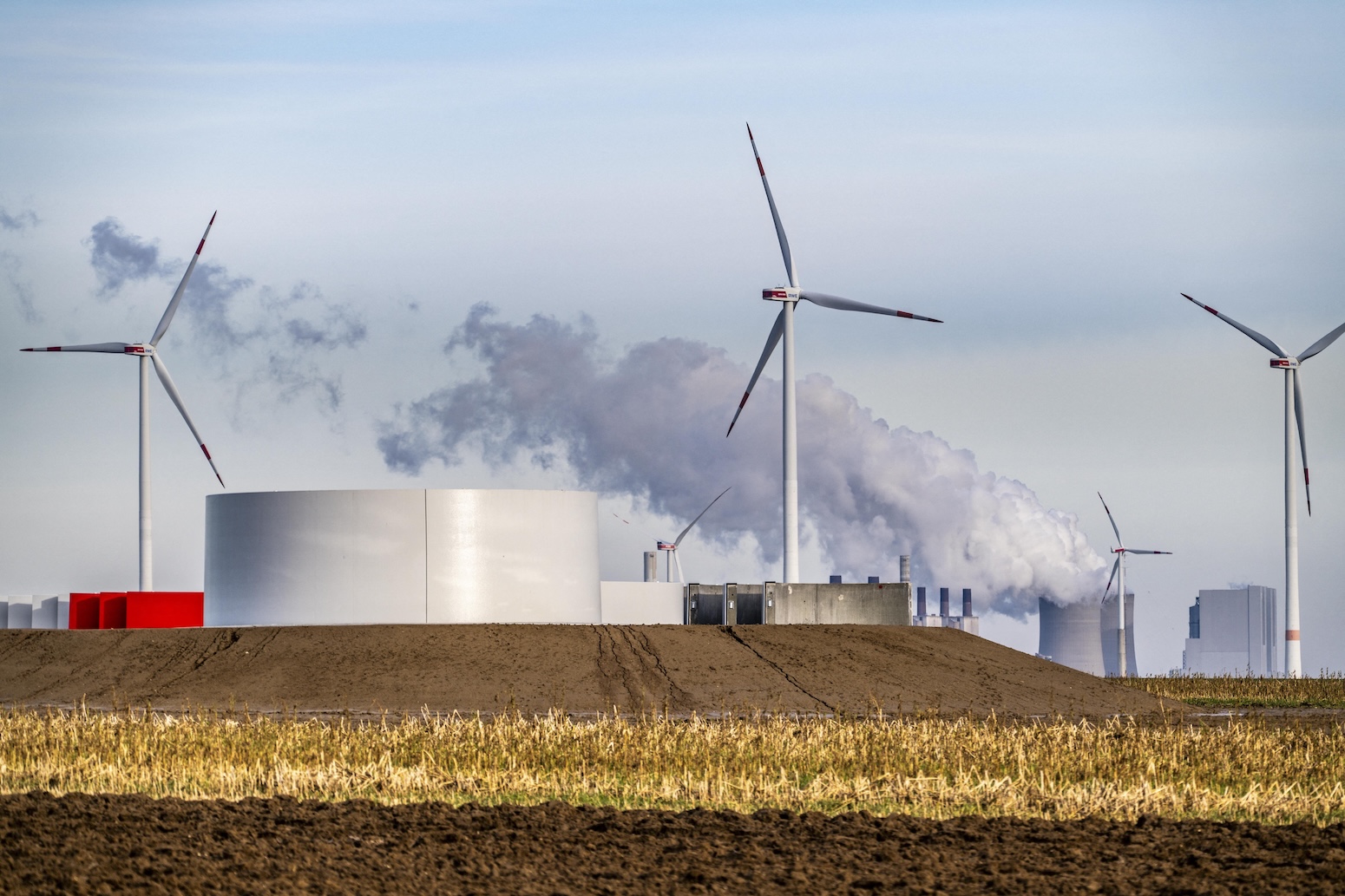
Analysis: Wind and solar power overtake fossil fuels in Germany for first time ever
Wind and solar generated more of Germany's electricity than fossil fuels for the first time in 2025. The milestone reflects years of renewable energy expansion in the country. Germany has been accelerating its clean energy transition following the energy crisis triggered by Russia's invasion of Ukraine, which pushed it to reduce dependence on Russian gas.

Analysis: 84% of nations miss deadline to identify ‘nature-harming’ subsidies by 2025
Most countries missed a 2025 deadline to identify subsidies harmful to biodiversity, with 84% failing to meet the target. The goal was part of the 2022 Kunming-Montreal Global Biodiversity Framework, which aimed to have nations catalogue nature-harming financial support as a step toward redirecting or eliminating it. The shortfall raises concerns about progress on broader biodiversity commitments.
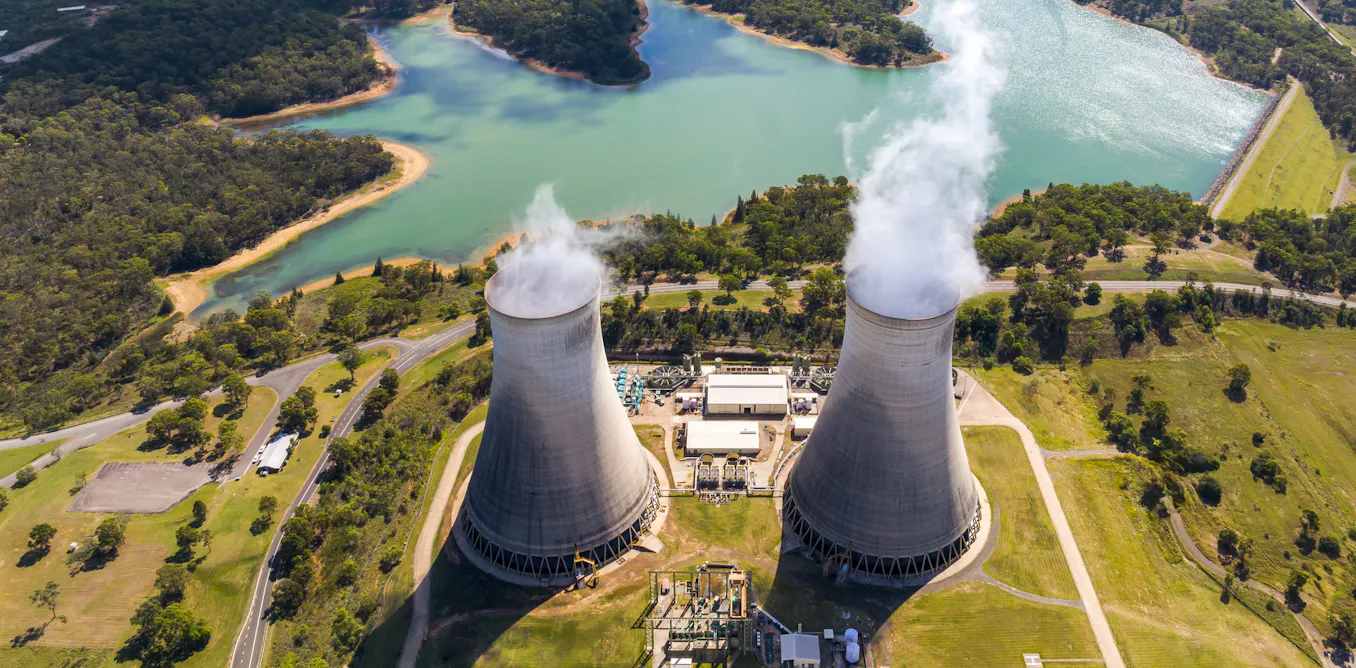
Batteries are getting cheaper while gas gets pricier. Here’s why
Battery storage costs have fallen dramatically, making them increasingly competitive with gas for storing and supplying energy. As gas prices rise, batteries are becoming the preferred option for balancing electricity grids. Australia is investing heavily in battery infrastructure, with large-scale projects expanding rapidly. Analysts expect this trend to continue, further eroding the economic case for new gas infrastructure.

Global Guidance on Wildlife Management Must Not Put a Stamp of Approval on Exploitative Practices
A meeting in Nairobi will produce global wildlife management guidance with potentially lasting consequences. Critics warn the recommendations risk legitimizing exploitative practices toward wild animals. Advocates are urging that any framework prioritize animal welfare and reject harmful commercial uses, arguing that international guidance carries significant weight in shaping national policies worldwide.

The case for making polluters pay has moved into the mainstream
Matched: climate
Fossil fuel companies are expected to report large profits linked to the Iran war, while Europe faces heatwaves and wildfires. The coincidence is fueling mainstream debate about whether polluters should bear the costs of climate-related damage. The idea of making fossil fuel firms financially responsible for climate harm, once considered fringe, is gaining broader public and political traction.
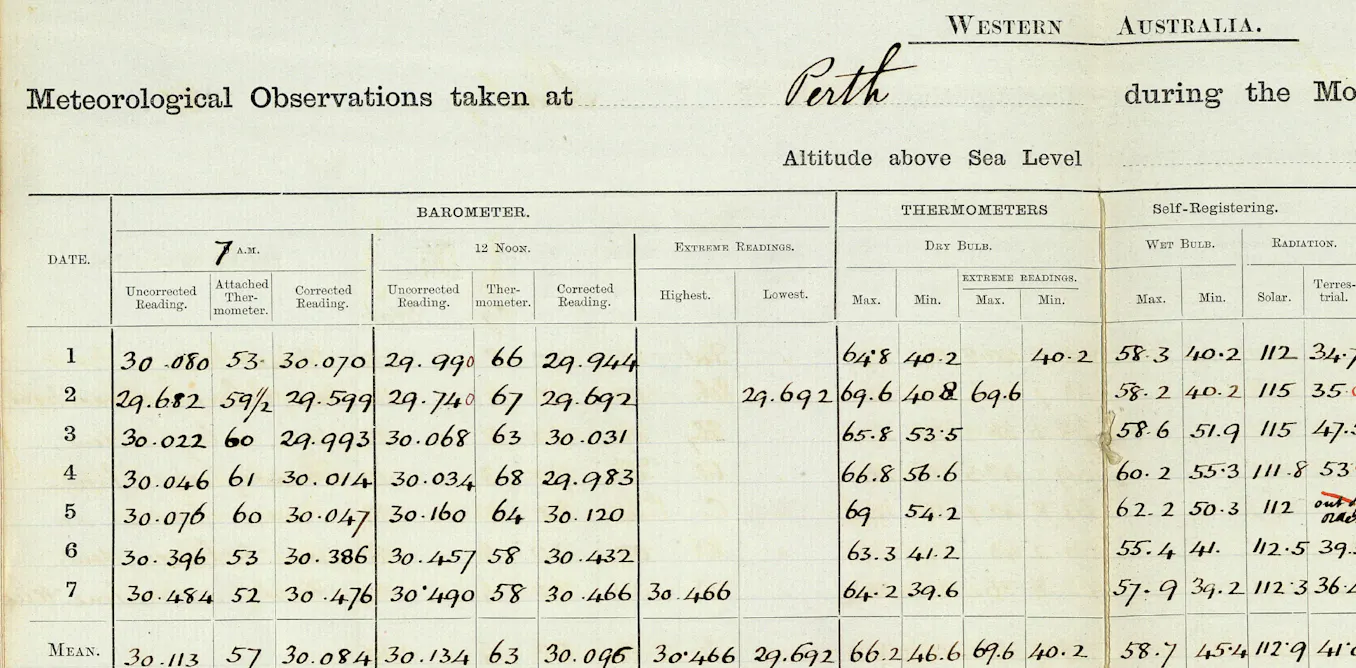
What two centuries of Perth storm records tell us about future climate risk
Matched: climate
Researchers have analysed over 200 years of storm records from Perth, Western Australia, to better understand natural climate variability before industrial fossil fuel use. The historical data helps distinguish natural fluctuations from human-caused climate change, and reveals long-term rainfall and storm trends. Findings suggest the region faces increasing climate risk, with implications for future water security and disaster planning.
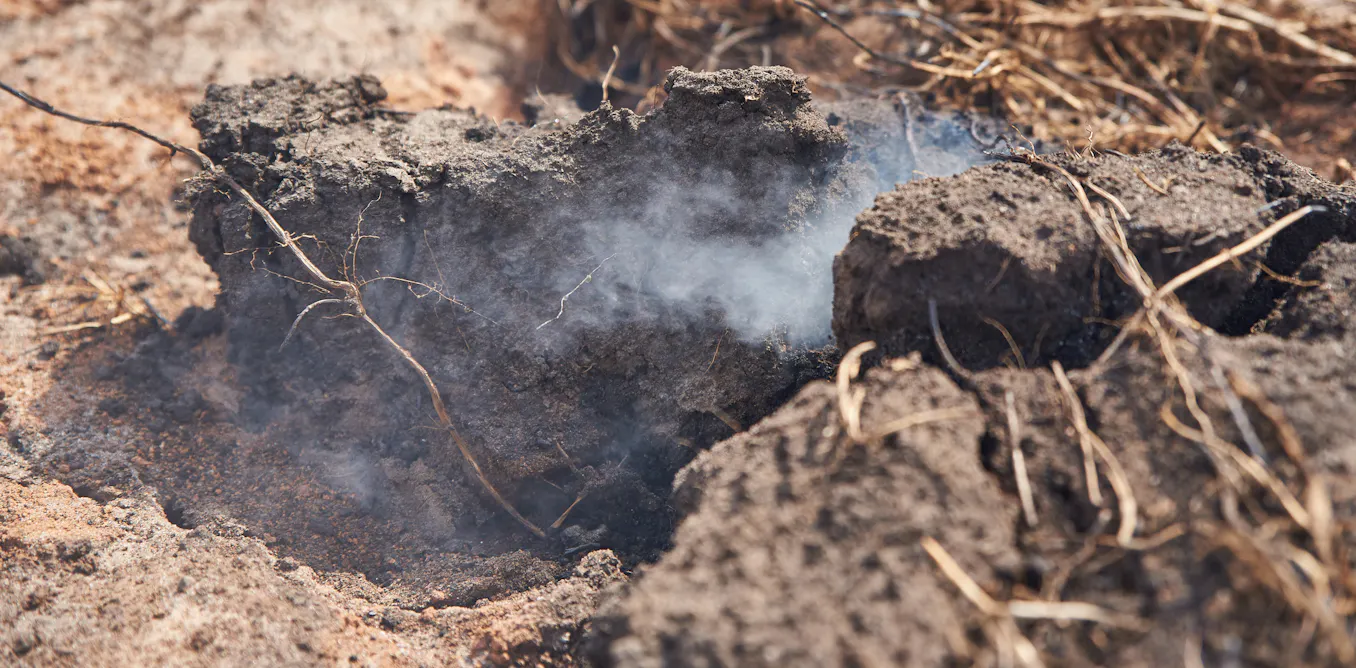
Fire can destroy peatlands. But in Australia, it can also help protect them
Peatlands store vast amounts of carbon and support rich wildlife, but are threatened by fire. In Australia, researchers have found that careful, controlled burning — a practice rooted in Indigenous land management — can actually help protect peatlands by clearing surrounding vegetation and reducing the risk of more destructive wildfires reaching these sensitive ecosystems.
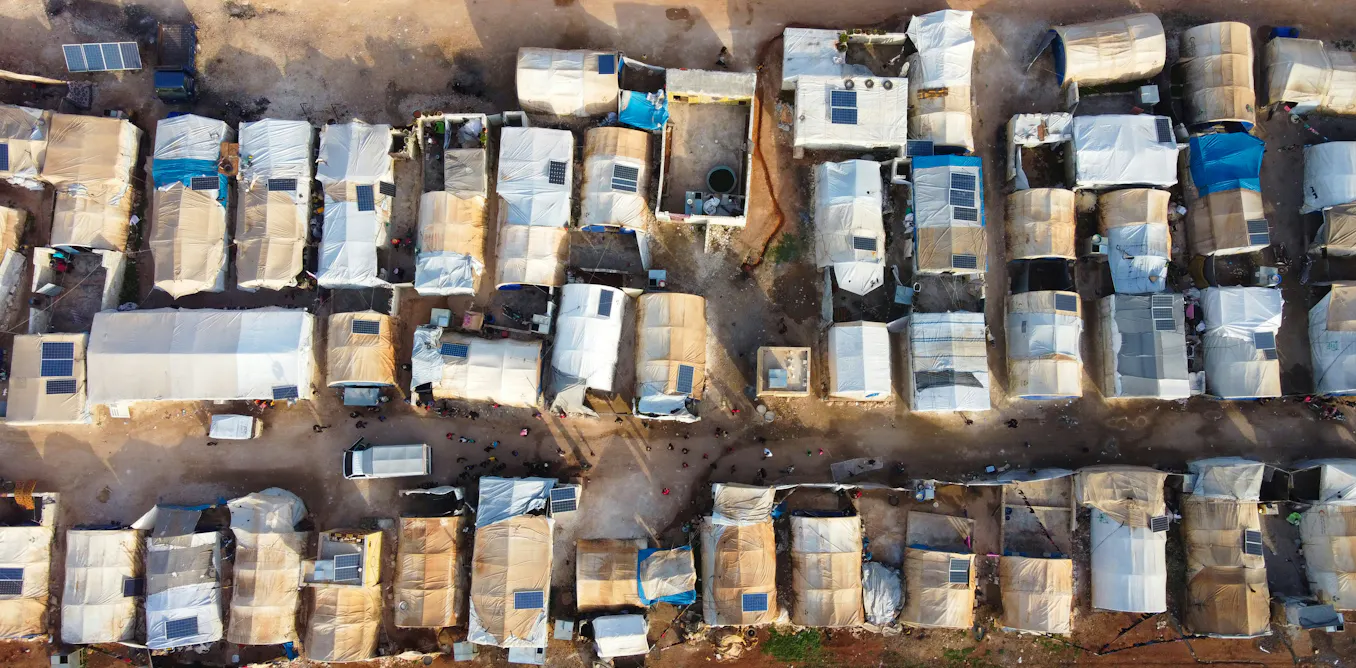
Refugee camps explained: why South Africa has avoided them
South Africa has largely avoided establishing refugee camps, unlike many other host nations. International law does not require camps, making them a policy choice. South Africa instead allows refugees to live in urban areas and access the asylum system. While this approach has faced strain due to large refugee numbers and limited resources, it reflects a rights-based model that grants refugees more freedom of movement and integration opportunities.
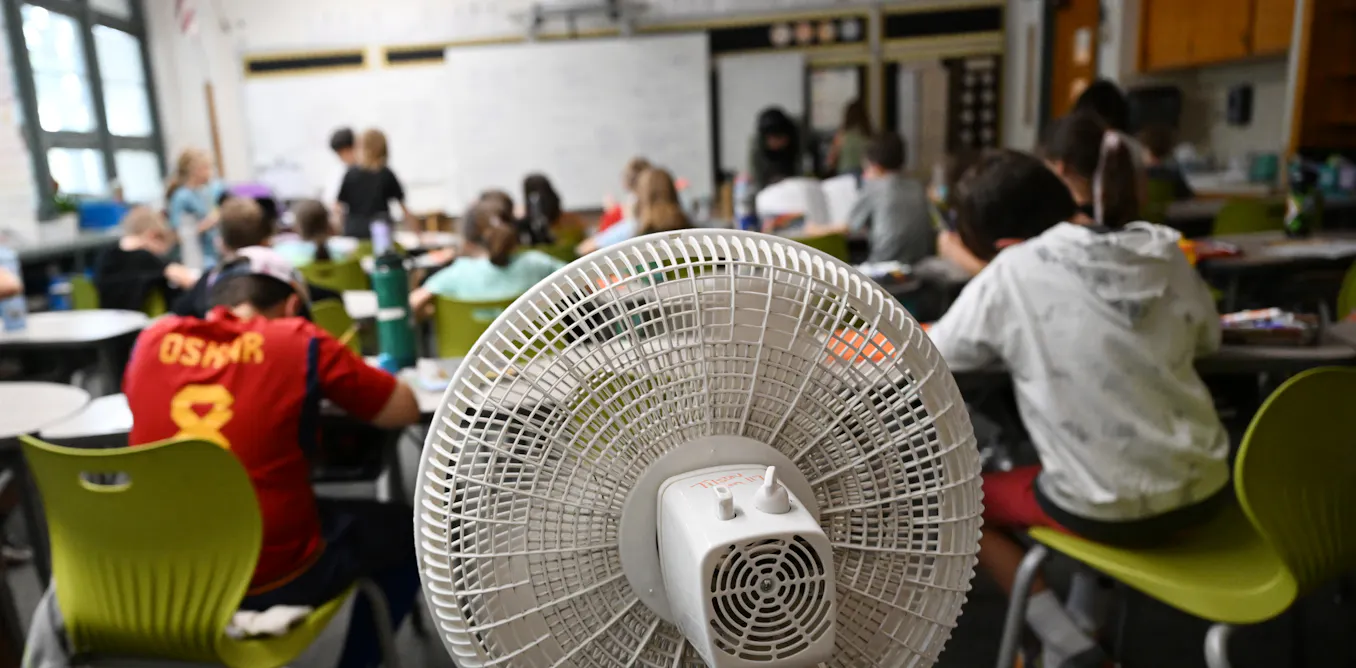
It’s getting hotter in classrooms and on playgrounds – schools aren’t ready to handle extreme temperatures
Schools increasingly starting in July or August face growing heat risks as climate change intensifies summers. Many school buildings lack air conditioning, and outdoor spaces offer little shade. Extreme heat harms children's health, attendance, and learning. Experts warn districts are underprepared, urging investments in cooling infrastructure, adjusted schedules, and heat action plans to protect students and staff.

Building Resilience: How LGBTQ+ Leaders Are Fighting for Recognition in Climate Policy
Matched: climate
LGBTQ+ advocacy groups are pushing for greater representation in global climate policy, including at COP31. Activists argue queer communities face distinct climate vulnerabilities and that their voices are largely absent from formal negotiations. Organizers are working to secure official recognition within climate frameworks and ensure LGBTQ+ perspectives are included in resilience and adaptation planning.

Climate-Impacted Communities Across Asia Are Taking Their Fight To Court
Matched: climate
Communities across Asia are increasingly using legal action to address climate change impacts. In South Korea, the Philippines, India, and Indonesia, people affected by extreme weather events are taking governments and corporations to court to demand accountability. The trend reflects growing frustration as climate-fueled disasters strike the region with greater frequency and severity.

Factcheck: No, Europe’s heatwaves are not being ‘caused’ by declining air pollution
A claim circulating online attributes Europe's heatwaves to declining air pollution rather than climate change. Experts say this is misleading. While reduced aerosol pollution does contribute a small amount of additional warming by allowing more sunlight through, scientists are clear that human-caused climate change from greenhouse gas emissions remains the dominant driver of increasingly frequent and intense European heatwaves.
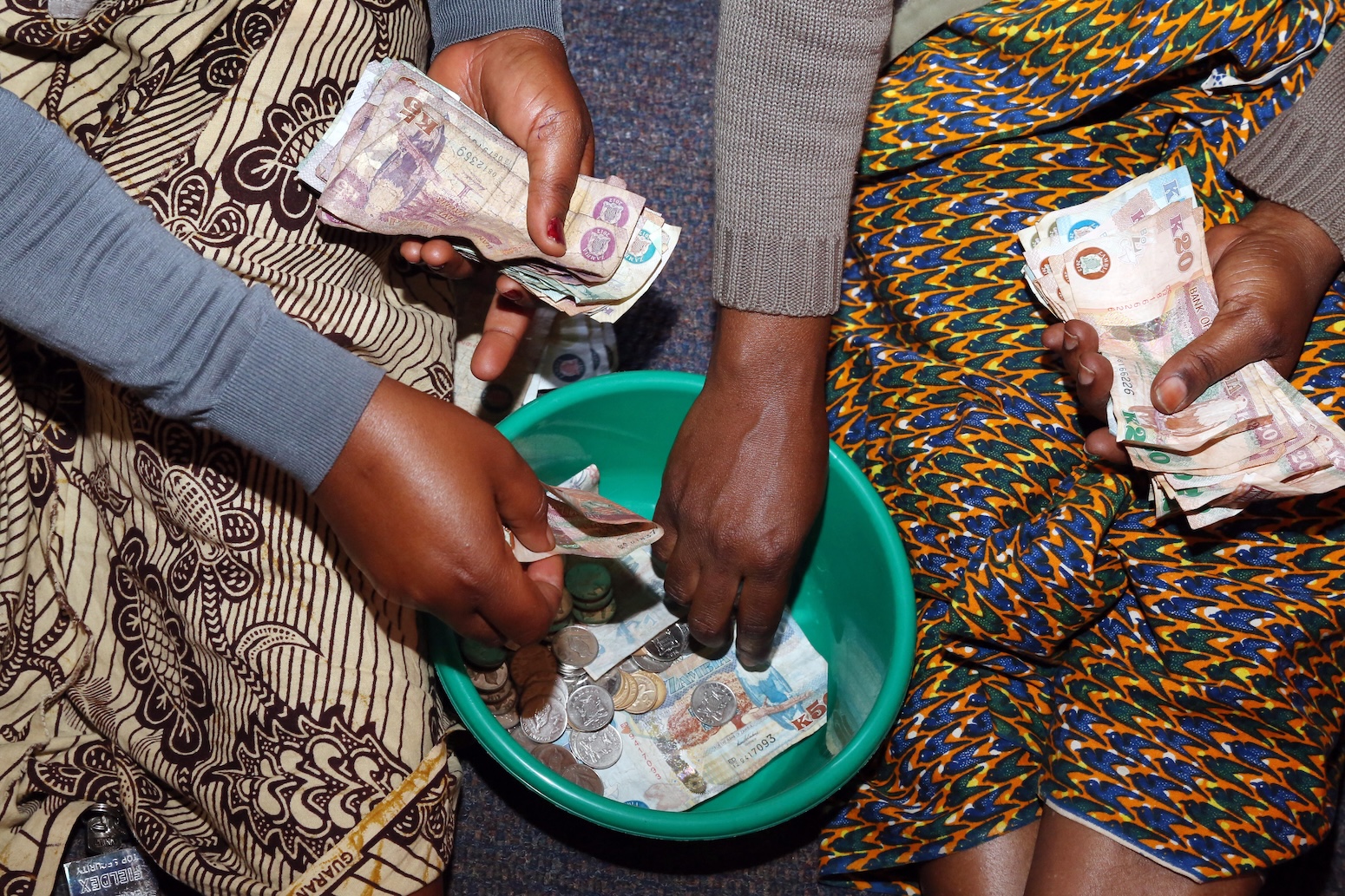
Access to finance ‘strengthens climate resilience’ among sub-Saharan women
Matched: climate
A new study finds that giving women in sub-Saharan Africa greater access to finance improves households' ability to withstand climate-related shocks. Researchers say financially empowered women are better positioned to help their families adapt to and recover from extreme weather events, suggesting that expanding women's financial inclusion could serve as a practical climate resilience strategy in vulnerable regions.